
Pre-cut kinesiology tape is usually the stronger format when a program needs repeatable shapes, fast dispensing, and simpler instructions. Roll kinesiology tape is usually better when trained users need different strip lengths, widths, or shapes. Neither format is automatically more professional or economical.
For a clinic, distributor, or private-label brand, the decision should reflect application pattern, user skill, complete-set yield, packaging, and labor. When comparing pre-cut and roll sports tape formats, focus on how each one fits the job rather than adhesive strength alone.
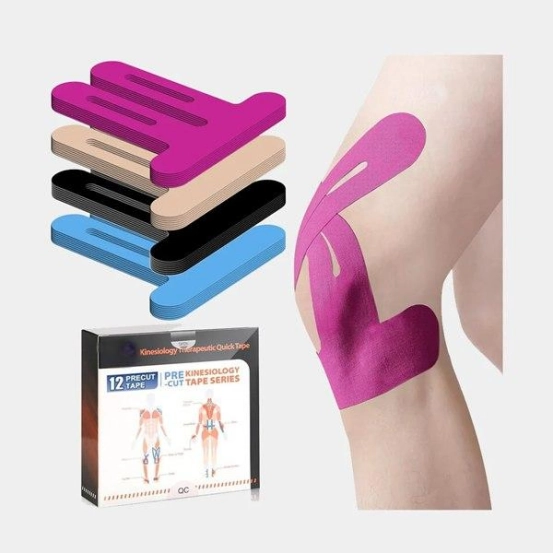
What Changes When Kinesiology Tape Is Pre-Cut or Rolled?
The key difference is how much converting happens before use. Our pre-cut knee kinesiology tape uses Y- and I-shaped strips, with five of each in a standard pack. The construction is 97% cotton and 3% spandex with acrylic adhesive, with stretch up to 150%.
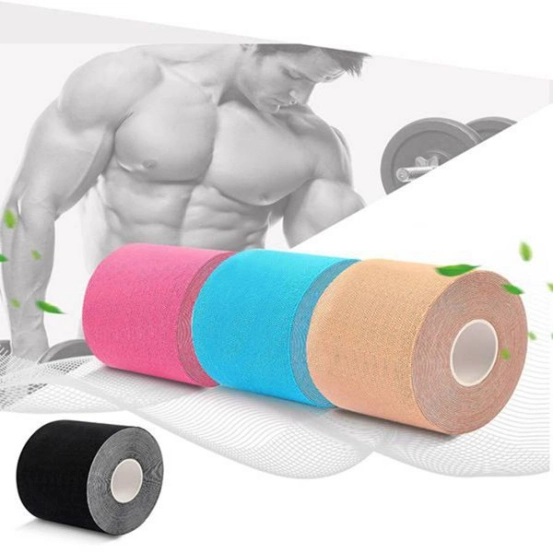
Our 5 m waterproof kinesiology tape roll uses a cotton backing with acrylic adhesive. Widths are 2.5, 3.8, 5, and 7.5 cm, with stretch up to 170%. The user cuts and rounds each strip.
These specifications apply to these two configurations, not to every pre-cut tape or roll. Compare samples built to your proposed specification.
Compare Application Workflow, Range Flexibility, and Waste
Pre-cut and roll products shift work to different points in the supply chain. Pre-cut tape moves shape control into converting and packaging. Roll tape leaves more of that work with the practitioner or end user.
| Decision Factor | Pre-Cut Format | Roll Format | B2B Implication |
| Application workflow | Shape and length are prepared in advance | User measures, cuts, and rounds each strip | Pre-cut can shorten setup for a repeated pattern; rolls support more variation |
| Shape consistency | Die-cut geometry can be repeated across packs | Geometry depends on the user’s cut plan | Pre-cut can reduce variation when instructions target one body area |
| User skill | Fewer cutting decisions, but placement and tension still matter | More cutting freedom and more process responsibility | Training and instructions affect the real cost of both formats |
| Range flexibility | Each supported pattern may require a separate SKU or kit | One roll can supply several approved patterns | Rolls can reduce format proliferation in professional channels |
| Material yield | Unused shapes can become stranded inventory | Offcuts and trimming can reduce usable length | Measure complete applications, not nominal strip or roll count |
A retail program built around one knee application may benefit from a pre-cut kit. A clinic serving several body areas may value roll flexibility. These are operating tendencies, not clinical conclusions.
Calculate Cost per Completed Application
Comparing price per box with price per roll is misleading because the selling units are different. Convert both formats into complete, usable applications.
For a roll:
Completed applications = floor((roll length x usable-yield factor) / material length per approved application)
Material cost per application = landed roll cost / completed applications
Suppose an approved pattern consumes 0.60 m and trials show that 90% of a 5 m roll is usable. The output is floor((5 x 0.90) / 0.60), or seven complete applications. This is illustrative; actual trials must establish the pattern and yield.
For a pre-cut kit, count complete sets rather than pieces. If an approved application uses one Y strip and one I strip, five of each provide five sets. Material cost per application is landed box cost divided by five; another pattern changes that denominator.
Then add labor, packaging, training, and failed-application cost. A cheaper roll can cost more when cutting time or inconsistency is high. A pre-cut kit loses value when one shape is consumed faster. Replace nominal yield with pilot data before purchasing.
Match the Format to the Sales Channel
Clinics often handle varied body areas and practitioner-defined patterns. Rolls fit because length and shape remain adjustable, but cutting, edge rounding, tension, and placement need consistent training.
Retail programs often benefit from a narrower promise. A pre-cut kit can pair a recognizable shape with numbered steps, but each additional shape creates another forecasting and replenishment decision.
Private-label buyers should start with the channel. Define the user, supported patterns, available packaging space, and substantiated claims. Use those inputs to align the tape format and packaging with your channel, including the required dimensions and distribution conditions.
Avoid Specification Errors That Distort the Comparison
Format is only one part of performance. Adhesive coat, backing, liner release, edge quality, skin preparation, tension, and time before moisture exposure can affect wear. Shape cannot compensate for poor edge conversion, and a roll still depends on correct cutting.
Maximum stretch is not a standalone quality score; working elongation depends on the approved method and backing recovery. Likewise, “waterproof” needs defined conditions because sweat, showering, swimming, motion, and edge exposure differ.
Separate construction from medical or therapeutic claims. Wear, skin compatibility, performance, and labeling statements require market-appropriate evidence; do not transfer product-page language unchanged to private-label packaging.
FAQ
These questions help translate the format comparison into a sample and assortment decision.
Is Pre-Cut Kinesiology Tape Always Easier to Use?
It removes measuring and shape-cutting steps for the pattern it was designed to support. Correct placement, working tension, skin preparation, and clear instructions still matter, so pre-cut does not make the application error-proof.
Does Roll Kinesiology Tape Always Create More Waste?
No. Waste depends on the cut plan, application mix, edge trimming, user training, and whether short pieces fit an approved pattern. Measure usable applications in a trial instead of applying a standard waste percentage to every program.
Can One Adhesive Specification Work for Both Formats?
Possibly, but it still needs validation. Die-cut edges, liner release, backing behavior, packaging pressure, and intended wear conditions can affect how the finished products handle even when their adhesive chemistry is similar.
Which Format Is Better for Private-Label Retail?
Pre-cut kits can make a single use case easier to merchandise and explain. Rolls offer broader flexibility and fewer pattern-specific SKUs. The better choice depends on the target user, supported applications, pack size, instructions, and evidence behind the claims.
What Should Buyers Test Before Choosing a Format?
Test the representative application pattern, edge lift after movement and expected moisture, removal behavior, pack stability, usable yield, and whether intended users understand the instructions. Use the same acceptance criteria when comparing samples.
Define the Format Before You Request Samples
A useful sample brief identifies the sales channel, intended body area, approved or proposed application pattern, user skill level, dimensions, pack format, expected moisture and wear conditions, labeling market, and forecasted product mix. With those inputs, pre-cut and roll samples can be compared on the same completed-application basis. Send us your target application brief, and we can prepare the two formats for a like-for-like sample evaluation.