
For a sports-equipment buyer, clear vs. cloth hockey tape is a use-case decision rather than a simple quality ranking. Clear tape is suited to discreetly securing shin guards, socks, and pads. Cloth tape is better aligned with blade wrapping, shaft reinforcement, and handle grip, where a visible textured surface is useful. When a team or retail program serves both jobs, stocking both formats can be more practical than forcing one roll to cover every application.
The right comparison starts with the job, then checks material, adhesive behavior, width, roll length, colors, moisture exposure, removal expectations, and pack format. Those details determine whether the assortment is easy to use and easy to explain at the point of sale.
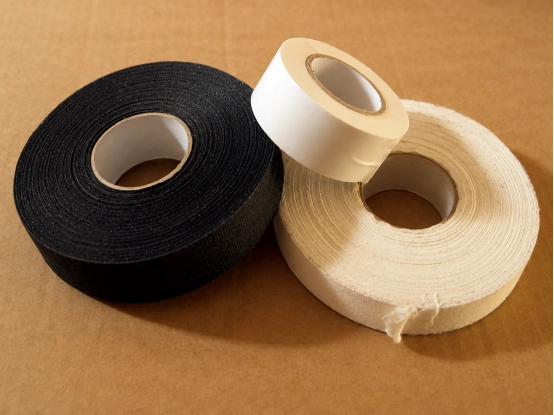
Clear vs. Cloth Hockey Tape: Which Format Fits the Program?
Choose clear hockey tape when the priority is low-visibility securing around protective equipment. QKD Tape describes its clear format as high-grade PVC with an aggressive, peelable acrylic adhesive. It is transparent, waterproof, hand-tearable, and supplied in a documented 1.5-inch width and 30-yard roll length. That profile suits equipment jobs where a clean appearance and moisture resistance matter.
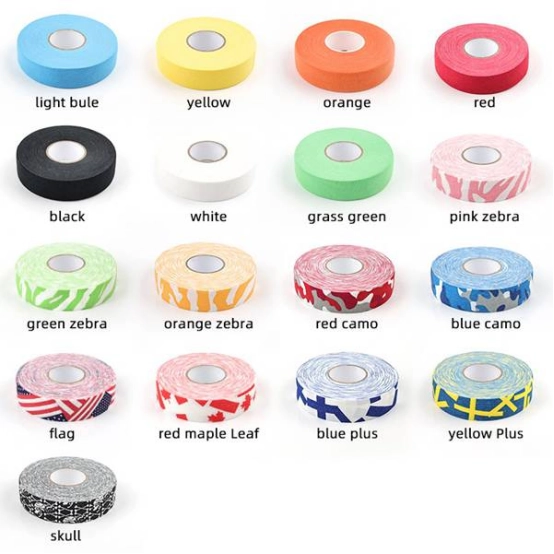
Choose cloth hockey tape when the primary job involves stick control or a more visible team-oriented presentation. QKD Tape describes its cloth format as a 50% polyester and 50% cotton blend with a self-stick construction, a ribbed grip texture, hand-tearability, and a 1-inch by 30-yard standard format. It is offered in colors and patterns that can support team identity or shelf differentiation.
The decision rule is simple: match the tape to the surface being wrapped and the result the user needs. If the program includes both equipment securing and stick taping, stock both formats.
What Changes Between Clear and Cloth Hockey Tape?
The two formats differ in the construction details that users notice during application and use. The table below separates documented product characteristics from the practical implication for a buyer.
| Selection Point | Clear Hockey Tape | Cloth Hockey Tape |
| Backing | High-grade PVC | 50% polyester / 50% cotton |
| Adhesive construction | Aggressive, peelable acrylic adhesive | Self-stick construction described without external glue |
| Appearance | Transparent and discreet | Colored and patterned options |
| Typical jobs | Shin guards, socks, pads, jersey-number sealing, and clear toe-cap protection | Blades, handles, shafts, and grip-related wrapping |
| Moisture positioning | Product page states 100% waterproof performance | Product page states high water resistance and weatherproof use |
| Application | Hand-tearable; a firm pull may be needed for a clean cut | Hand-tearable without tools |
| Documented format | 1.5 inches wide and 30 yards long | 1 inch wide and 30 yards long |
This comparison shows why “stronger” is not a useful standalone criterion. Clear tape prioritizes transparent coverage and peelable acrylic behavior. Cloth tape prioritizes a fabric surface, grip texture, and visual choice. Confirm how each tape behaves on the actual equipment, how cleanly it removes, and whether its width matches the wrapping pattern.
For a discreet equipment-securing line, evaluate clear hockey tape against the program’s visibility and removal requirements. For blade and handle applications, evaluate cloth hockey tape for grip, color, and wet-condition handling.
How Should Teams and Retailers Choose a Hockey Tape Format?
Teams and retailers should map each format to a repeatable job and explain that job clearly.
- Team equipment rooms: Clear tape fits shin-guard and sock securing. Cloth tape fits blade wrapping, handle grip, and shaft reinforcement. Stock each by task.
- Sporting-goods shelves: Clear tape can be positioned for discreet equipment securing and multi-sport utility. Cloth tape can be positioned around stick grip, blade protection, colors, and patterns. The packaging should make the primary job obvious in a few seconds.
- Distributor programs: A dual-format line can serve different customer requests while keeping the comparison easy for sales teams. The key is to define which format answers which problem, rather than competing on vague claims such as “professional strength.”
- Brand programs: Confirm whether the program needs a single universal SKU or a small family with distinct widths, colors, and uses. QKD Tape’s sports-equipment tape assortment can be discussed around the intended application and supply workflow.
An illustrative assortment might use clear tape for equipment securing and cloth tape for stick grip, with colors chosen for the team or sales channel. Set the final mix by application frequency and replenishment patterns.
How Can a Buyer Build a Hockey Tape Assortment?
Use this sequence during product selection or a sample review:
- Define the primary job. Separate shin-guard and sock securing from blade, shaft, and handle wrapping.
- Select the construction. Choose transparent PVC with peelable acrylic behavior or a poly-cotton self-stick format according to the job.
- Confirm dimensions. Check width, roll length, core, and the number of wraps required per application.
- Set the visual range. Decide whether transparent, solid, or patterned options support the team or retail channel.
- Test the use conditions. Evaluate moisture, cold handling, tear behavior, grip, residue, and removal on the actual equipment.
- Align the pack format. Match roll count and labeling to team issue, distributor cartons, or shelf presentation.
The QKD Tape cloth range includes multiple colors and patterns for visual differentiation. Use the range as an assortment input, then verify consistent adhesive and backing behavior. Color should support identification or merchandising without obscuring the tape’s technical job.
What Specification Mistakes Affect Hockey Tape Performance?
The first mistake is comparing width alone. A 1-inch cloth roll and a 1.5-inch clear roll do not serve the same wrapping pattern, and the wider roll is not automatically more suitable. The second is treating “waterproof” or “water resistant” as a complete wet-use qualification; test the finished wrap under actual moisture and temperature conditions. The third is assuming hand-tearability means identical cut behavior. Backing, tension, and tear direction still affect the operator.
Also confirm substrate, removal expectations, color consistency, label language, packaging, and the test method used for approval. A tape selected for stick grip should not be substituted into a discreet equipment-securing job without checking appearance, adhesion, and clean removal.
FAQ
Is Clear Hockey Tape Better for Securing Shin Guards?
It is a strong fit when low visibility, transparent PVC, and moisture-resistant coverage are priorities. Confirm the required removal behavior and wear interval on the actual shin guard, sock, or pad before standardizing the SKU.
Is Cloth Hockey Tape Only for Stick Blades?
No. The cloth format also supports handles and shafts, and its textured surface can suit grip-related wrapping. Its colors and patterns can also help a team or retailer separate it visually from clear equipment-securing tape.
Should a Retailer Stock Both Clear and Cloth Hockey Tape?
Stock both when the customer base needs both equipment securing and stick grip. A single format is reasonable when one job clearly dominates and the packaging can explain that use without creating confusion.
Does the Tape Width Decide Which Format Is Better?
No. Width affects coverage and application speed, but backing, adhesive behavior, job, moisture, removal, color, and pack format must be considered together. The documented clear and cloth widths serve different product roles.
Define the Right Hockey Tape Mix Before Ordering
Prepare a short product brief with the intended use, equipment substrate, width, roll length, colors or patterns, packaging, sales channel, moisture and temperature exposure, removal expectations, and sample test method. You can send your product requirements for a discussion focused on the right construction and format mix. This gives a buyer a clear basis for comparing samples and building a line that users can understand.