
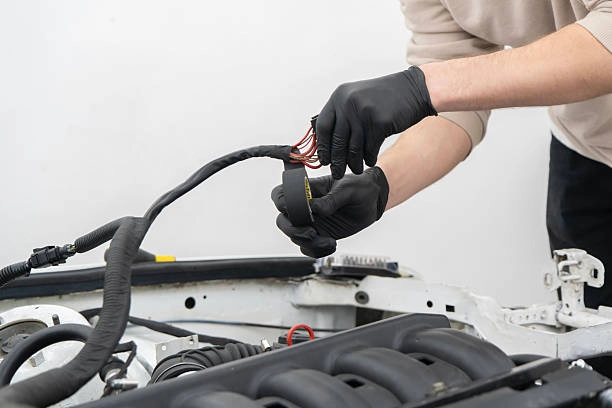
In modern car design, wiring harnesses act just like a vehicle’s nervous system. All signals pass through these grouped copper lines. Electrical power flows through the insulated cables as well. Yet, many people overlook the exact material that binds them. That vital product is the tape itself.
Why Is Tape Essential in Automotive Wiring Harness Assembly?
Tape does much more than just bundle wires together. It defends cables against rubbing on sharp metal edges. The material also blocks hot engine temperatures. Furthermore, it reduces heavy shaking. This constant movement might otherwise cause material wear or tiny cracks in the wire covers. Proper electrical insulation remains absolutely vital. Without this protective barrier, loose currents can occur. These sudden short circuits might then damage important safety controls.
Different Types of Wiring Harness Tape
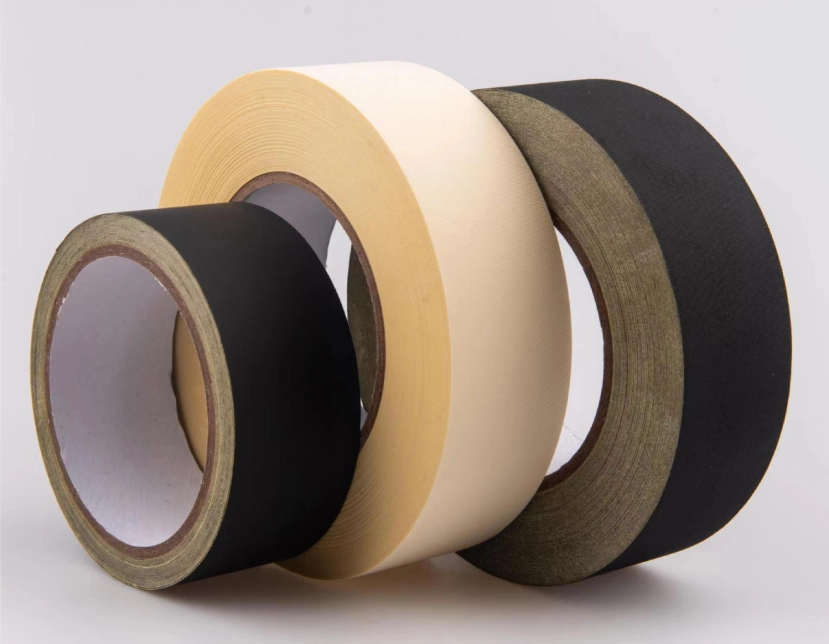
Automotive harness design rarely uses a single type of tape throughout the vehicle. Each section — engine bay, cabin interior, trunk — demands different performance characteristics based on temperature, abrasion risk, and acoustic requirements.
PVC Electrical Tape
PVC electrical tape stays a very dependable material for basic harness wrapping tasks. Its high flexibility makes it simple to apply around uneven wire groups. At the same time, its strong dielectric properties guarantee steady insulation results. This tape works best in indoor cabin areas where temperatures remain fairly mild. You will usually find it under dashboards or behind plastic panels.
Fabric (Cloth) Tape
Inside the cabin, noise matters as much as function. Fabric or cloth tapes are favored here because they resist abrasion while absorbing sound energy from wire movement against plastic housings. They help reduce squeaks and rattles behind dashboards or inside door panels — small sounds that customers quickly notice in otherwise quiet interiors. The woven texture gives it a tactile grip during manual wrapping and prevents slippage even when exposed to temperature changes common in passenger compartments.
PET Fleece Tape
Sometimes constant movement or rubbing is unavoidable. You see this along seat tracks or steering columns. In these spots, PET fleece tape becomes highly necessary. It blends great wear resistance with strong physical stability. It holds its shape perfectly even after thousands of moving cycles. The soft outer layer lowers damage to nearby car parts. Meanwhile, it keeps wire groups tightly bound without slicing into their covers. Engineers frequently pick PET fleece for zones that need strong durability and good bending ability under active stress.
Acetate Cloth Tape
Acetate cloth tape offers a lightweight yet heat-resistant solution ideal for precision zones like instrument clusters or control units where space is tight but reliability is paramount. Its fine weave provides clean wrapping with minimal bulk increase around delicate signal cables. You often see it in advanced driver-assistance systems (ADAS) modules or audio wiring setups. Here, acetate cloth guarantees clean bundling. It does not block sensitive connectors or sensors that need perfect placement and low electrical noise.
How to Choose the Right Automotive Wiring Harness Tape
Picking the right automotive wiring harness tape requires careful thought. You must balance the local environment conditions with actual functional needs. You should never rely on just one simple spec sheet.
Temperature
Very hot spots close to engines require tapes rated above 125 °C. Standard PVC might get too soft in these places. However, PET fleece or acetate cloth easily keeps its solid structure.
Abrasion
Some wire setups run through very tight metal frame spaces. They need strong protection against harsh rubbing. This stops damage to the wire cover during heavy shaking cycles.
Noise reduction
Indoor cabin parts gain huge benefits from soft-backed items. Materials like fabric or acetate tapes work wonderfully here. They greatly lower the amount of noise traveling through the car frame.
Flexibility
Hard and twisty routing paths need very flexible tapes. These products must shape easily around sharp bends. They should never wrinkle or peel up at the edges.
Which Tape Is Best for Noise Reduction?
Experts have tested many items for indoor car uses. Among them all, acetate cloth tape regularly shows the best sound-blocking traits. Its balanced combination of texture and adhesive formulation absorbs micro-vibrations effectively while maintaining stable adhesion over time — crucial for luxury vehicles where cabin silence defines brand perception.
Trends in Automotive Wire Harness Taping Solutions
The massive move toward electric vehicles has pushed engineers to change old taping habits. Cutting down weight is now just as important as good wire insulation. A manufacturer will now develop thinner but much tougher tape backings. They use recycled plastics and safe halogen-free glues to hit green energy goals. They do this without dropping key performance marks. Important traits like fire safety and chemical defense stay very strong.
At the same time, strict global rules push a supplier toward green materials. These must match up with RoHS and REACH compliance rules. The future probably belongs to special hybrid tapes.
What Should Buyers Ask When Sourcing Automotive Wiring Harness Tape?
Buying teams looking at a supplier should look past simple price sheets and shipping dates.
Key technical questions include:
- What is the exact working temperature range?
- How well does it hold up during repeated rubbing tests?
- Does it pass strict car industry rules like UL 510 or RoHS compliance?
Buyers should also assess consistency in manufacturing processes since even minor variations in adhesive thickness can alter unwinding tension during automated wrapping — a frequent cause of assembly line slowdowns.
Why Partnering with QKD Tape
Collaborating with specialized producers like QKD Tape ensures stable supply chains backed by controlled production environments where every roll meets stringent automotive standards for tensile strength, elongation, and peel adhesion consistency. Their technical support teams assist OEMs in tailoring adhesive formulations suited to unique environmental conditions — whether high-humidity tropical climates or sub-zero regions demanding cold-flexible performance.
FAQ
Q: What is the most common type of automotive wiring harness tape?
PVC electrical tape stays hugely popular right now. People love its flexible nature and low price for basic indoor car jobs.
Q: Which tape handles high temperatures best?
PET fleece and acetate cloth tapes perform reliably under elevated temperatures typical of engine compartments.
Q: How do fabric tapes reduce noise inside vehicles?
Their soft woven tops soak up shaking energy. This happens between the wires and hard plastic covers. It stops annoying rattling sounds while the car is driving.
Q: Are eco-friendly options available today?
Yes, almost every manufacturer now sells safe halogen-free tapes. They build them from reusable plastics that meet strict global green rules.
Q: Why does adhesive consistency matter so much?
Uneven adhesive layers can cause variable unwind tension leading to inconsistent wrapping quality during automated assembly processes — a small detail that can disrupt large-scale production efficiency.