
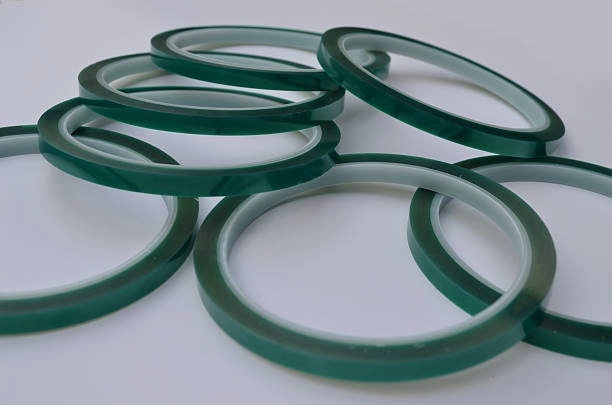
Choosing between silicone adhesive vs acrylic adhesive usually depends on how well they handle physical stress. It also involves checking their weather resistance and application accuracy. Engineers almost never pick one just because of its price. The actual working environment matters the most.
What Defines Silicone and Acrylic Adhesives?
Silicone adhesives feature polysiloxane chains. These flexible structures keep their stretchiness during harsh conditions. On the other hand, acrylic adhesives use acrylate polymers. These polymers contain polar functional groups. They build powerful connections to high-energy surfaces, such as metals and glass. This specific molecular makeup shows why they act differently. Silicone remains soft and tough. Meanwhile, acrylic feels hard and strong.
Why Does the Choice Between Silicone and Acrylic Matter in Industrial Applications?
Some areas get extremely hot. Good examples include automotive engine bays and PCB soldering lines. In these hot places, silicone adhesives keep their strong hold. They work well long after acrylics melt or burn. Their toughness during heating and cooling cycles guarantees reliable sealing. This reliable performance lasts for many years.
Acrylic adhesives certainly still possess clear benefits. They offer fantastic initial grip. They also provide great transparency for optical films. Furthermore, they resist chemicals well.
Performance Comparison: Silicone Adhesive vs Acrylic Adhesive
The difference in quality becomes much clearer when you test them outside normal laboratory settings.
How Do They Perform Under Extreme Temperatures?
Silicone adhesives keep their grip from –40 °C all the way up to 220 °C. They do this without breaking down. This incredible range makes them essential for heat masking. PET silicone tape serves as a perfect example. Factories use it to cover fragile parts. It survives hot oven cycles easily. It also leaves absolutely no sticky mess behind.
Acrylic adhesives function nicely up to roughly 150 °C. After reaching that limit, they start to fall apart. You can see this problem in car interiors. It also happens with outdoor signs left in bright sunlight. The edges start peeling up, and the colors turn yellow.
Which Adhesive Offers Better Moisture and Chemical Resistance?
Water damage can ruin a sticky bond much faster than extreme heat. Silicone blocks water vapor effectively. It also fights off oils and many common solvents. This happens because of its inorganic structure. It stays sticky even after spending days inside damp testing rooms. It also survives heavy salt spray tests.
Acrylic adhesives fight off oxygen damage quite well. However, they soak up more water over time. This extra moisture makes them less sticky under heavy loads. They manage alcohol and weak chemicals fine. But they break down quickly if you soak them in harsh industrial solvents.
Application Insights from a Manufacturer’s Perspective
Looking at things from the factory floor, picking between these two is a practical matter. The final decision directly impacts daily production rates. It also changes regular maintenance plans.
When Should You Choose a Silicone-Based Tape?
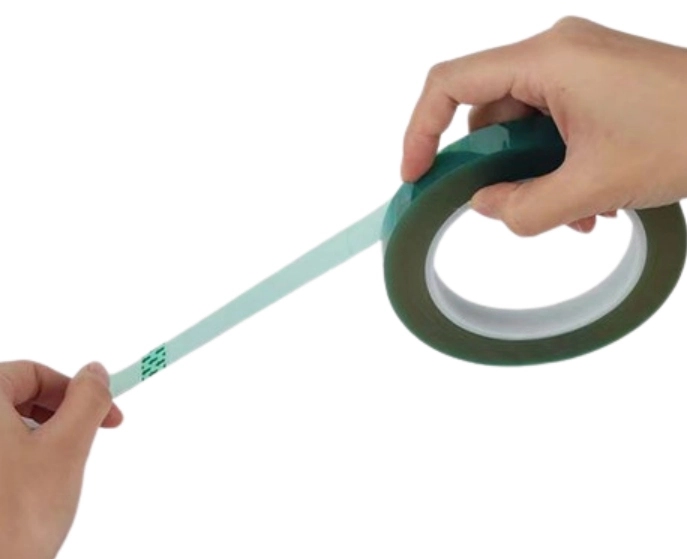
Silicone-based tapes work beautifully in places that need perfectly clean removal. They handle high heat and heavy pressure well. During PCB reflow soldering or powder coating, PET silicone tape covers important electrical contacts. It pulls off cleanly later. This prevents leftover dirt from ruining important electrical tests.
This tape has a low surface energy bond. This trait lets it peel away easily from delicate materials. Polyimide films in flexible circuits are a great example. Electronic insulation sections gain a huge advantage from this feature. It stops the material from ripping when workers remove the protective tape.
Some assembly lines require extreme accuracy. Optical device manufacturing is one good example. In these places, the physical stability of the PET backing matters greatly. When combined with consistent silicone glue, it delivers the exact same results for every single production batch.
When Is an Acrylic Adhesive More Suitable?
Acrylic adhesives make perfect financial sense for basic sticking jobs. These jobs include placing labels on metal boxes, taping cardboard boxes, and applying protective films. They stick dependably to metals, plastics, and painted items. They work perfectly in the normal, moderate temperatures found in standard warehouses.
Their clear appearance fits perfectly on display screens or equipment nameplates. These items need a completely invisible glue layer. Some large packaging plants care more about speed than extreme weather resistance. In those busy factories, acrylic systems provide solid results at a much lower cost per unit.
Evaluating Long-Term Reliability and Performance Stability
Long-term success clearly separates high-quality industrial materials from cheap, basic goods.
How Aging Affects Each Type of Adhesive Over Time
Silicone keeps its stretchiness for a very long time. It survives years of bright UV light. It also passes long heat tests at 200 °C. Its chemical shape stops harmful oxygen reactions. Those reactions normally make organic plastics hard and brittle. This unique trait makes it wonderful for outside jobs. Solar panel sealing tapes use it because they must last for more than ten years.
Acrylic adhesives grow old in a completely different way. They slowly get harder. This happens as their softening agents leak out. Sunlight also causes them to oxidize. Because of this, they lose their stickiness. They become fragile and crack easily over the years. To stop this, you must buy specially stabilized chemical mixtures.
A manufacturer will test product lifespan using special weather machines. These machines mix strong UV rays with wet humidity cycles. This process copies many years of real outdoor use. It gives factories accurate testing data in just a few short weeks.
Selecting the Right Adhesive Solution for Your Project Needs
Picking between silicone adhesive vs acrylic adhesive requires careful thought. You must balance strict technical needs against your factory budget.
Key Factors to Consider Before Making a Decision
Substrate compatibility remains the first filter—low surface energy materials almost always require silicone systems unless pretreated with primers. Expected service temperature range defines whether an acrylic bond will survive continuous load cycles without creep deformation.
Choose the Right Adhesive Solution for Your High-Temperature Application
If you are looking for customized PET silicone tape, high-temperature masking tape, or industrial adhesive solutions, QKD Tape can help match the right adhesive chemistry to your substrate, temperature range, peeling requirements, and production process.
Contact QKD Tape today to discuss your application needs and get a tailored adhesive tape solution built for stable, clean, and efficient performance.
FAQ
Q1: Can silicone adhesive be used on plastic surfaces?
Yes, it works wonderfully. It is especially useful on low surface energy plastics. Good examples include PTFE or polyethylene. Normal acrylics will fail on these plastics unless you apply a primer first.
Q2: Why does PET silicone tape leave no residue?
The silicone layer keeps its solid shape during removal. It stays together perfectly even after going through hot ovens. This prevents any sticky pieces from transferring onto your clean parts.
Q3: Is acrylic adhesive suitable for outdoor use?
You can use it outdoors only if it has UV protection. Without this protection, long periods of sunlight will cause yellowing. The tape will also lose its holding power over the years.
Q4: Which type offers better electrical insulation?
Silicone-based systems generally outperform due to their dielectric stability across wide temperature ranges common in electronic assemblies.