
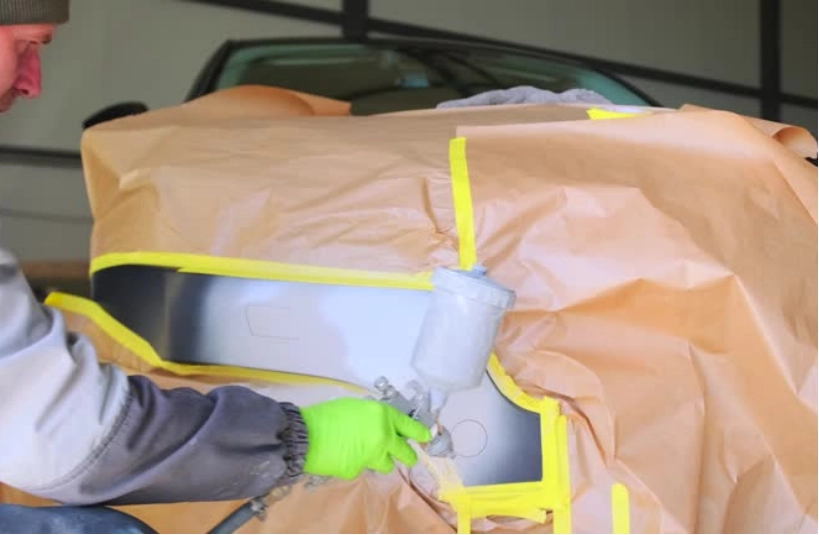
Understanding the Technical Requirements of Automotive Refinishing
Car painting goes far beyond simple looks. It represents a strict technical process. Here, the room for mistakes is extremely tiny. When masking materials break down, the whole paint job suffers. This failure leads to expensive rework. It also wastes valuable labor time.
Why Standard Masking Tape Fails in Professional Body Shops
In spray booth, temperatures regularly shift between 60°C and 120°C. If the tape fails to resist this heat, it will stick permanently to the clear coat. Alternatively, it might fall off much too early.
Current car paints and primers include harsh chemicals. These strong solvents easily destroy the sticky side of low quality tapes. Good flexibility and stretch allow the tape to hug difficult vehicle shapes smoothly. It does this without lifting off the metal. A basic tape remains far too stiff. It simply forms a bridge over curved areas. This bridging creates an open space where unwanted spray can easily slip inside.
Key Performance Indicators for High Quality Masking Paper Tape
When you check different masking paper tape options, you should look past the simple cost per roll. The actual technical details of the glue matter greatly.
Assessing Adhesive Strength and Surface Compatibility
The glue needs to act smart. It must hold firmly, yet it should peel off gently. A well balanced stickiness keeps the tape secure during heavy spraying. This strong grip stops the edges from moving under the harsh blast of the spray gun. Taking the tape off cleanly is vital. Clean removal stops leftover glue from sticking to fresh clear coats or windows.
Compatibility with various substrates including plastic bumpers, metal panels, and rubber trim is also a major factor. Some adhesives bond too aggressively to rubber, causing the trim to pull away during de-masking, while others won’t stick to modern low surface energy plastics at all.
Evaluating the Backing Material and Crepe Structure
The word “crepe” in masking paper tape describes the tiny folds pressed into the material. A fine crepe design offers excellent bending ability around sharp curves and tight edges. It performs much like a small spring. This stretch lets the tape wrap smoothly around a round wheel arch without ripping apart.
Fully saturated backings block wet liquids and harsh thinners from soaking into the paper fibers. If the paper lacks this special treatment, it acts exactly like a sponge. It pulls wet paint straight under the clean tape line. Also, the basic pulling strength must remain high enough for easy hand tearing.
Does Temperature Resistance Really Matter for Your Specific Process?
People often misunderstand heat ratings. The correct choice relies completely on the specific drying method used inside the shop.
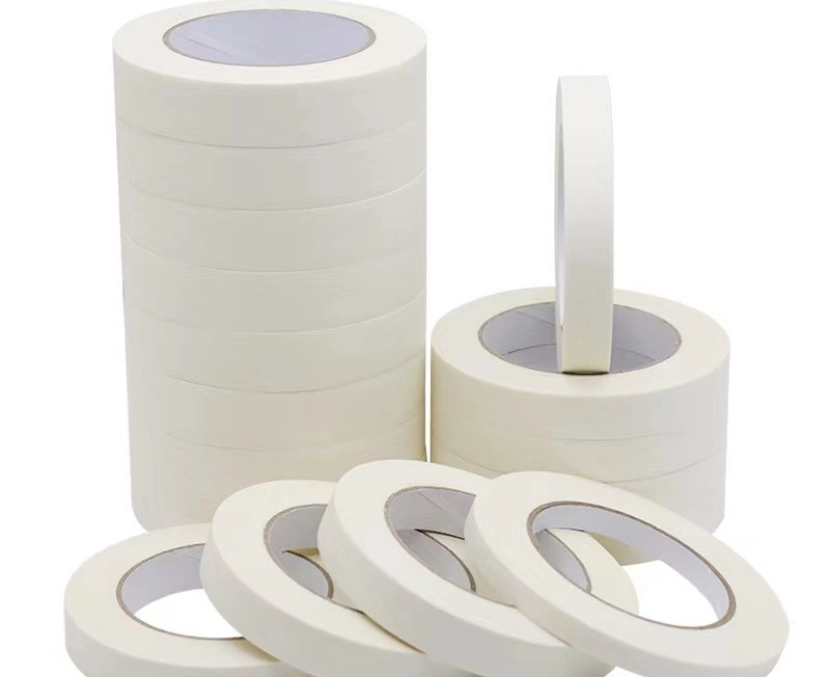
img.High Precision Masking Paper Tape for Diverse Applications.webp
Simple air drying tasks need very different glue types compared to hot infrared or oven baking. Some shops depend entirely on normal room air for drying. In these places, a high heat tape might actually cause problems. The special glue might need actual heat to stick properly. Otherwise, it could turn hard and weak over a long wait time. Picking a tape built for 80°C instead of 120°C changes both the final cost and the daily performance.
Common Pitfalls When Sourcing Masking Tape for Large Scale Operations
In large scale B2B environments, procurement errors are magnified. One common mistake is overlooking the shelf life of natural rubber adhesives in humid environments. Natural rubber is an organic polymer; in high humidity, it can degrade, becoming either overly aggressive or losing its tack entirely.
Another issue is choosing thickness over flexibility, leading to poor edge definition and paint “bridging.” A thicker tape might feel “heavy duty,” but it creates a high “step” at the paint edge, resulting in a visible ridge.
Failing to test tape compatibility with modern waterborne paint systems is also a frequent oversight. Waterborne paints have different surface tensions than solvent based ones, and some tapes may cause the paint to bead up or “crawl” at the masking line.
Tailoring Your Selection to the Application Area
A single type of masking tape is rarely sufficient for a full vehicle refinish. Different areas of the car demand different characteristics.
Precision Masking for Detail Work and Two Tone Painting
For intricate designs or two tone transitions, the requirements change. Thin profile tapes are required to achieve razor sharp paint lines. These are usually made of specialized paper or even plastic films that allow for a very low profile edge. Low tack options are preferred for masking over freshly cured paint layers. If the tape is too aggressive, it will pull the “green” paint right off the primer when removed.
Heavy Duty Protection for Large Surface Areas
When covering hoods, roofs, or glass, speed and coverage are the priorities. Wider rolls of masking paper tape facilitate faster coverage of non-painted sections. These are often used in conjunction with other materials. Integration with masking films and dispensers improves workflow efficiency in B2B environments, allowing a technician to mask a whole side of a van in minutes rather than an hour.
The Economic Impact of Choosing Professional Grade Solutions
The true cost of a roll of masking tape includes the labor required to fix the problems it causes. Reducing rework time by eliminating bleed through and adhesive cleanup is the fastest way to improve a shop’s bottom line. Lowering material waste through consistent unwind tension and reliable adhesion means fewer discarded half rolls and less wasted paint.
For large scale manufacturers, OEM/ODM customization from manufacturers like QKD Tape can align tape specifications with specific industrial production lines. This level of customization ensures that the tape performs exactly as needed for a specific paint chemistry or oven temperature, removing the guesswork from the production cycle.
Contact QKD Tape today to discuss your application requirements and find a masking solution that helps reduce rework, improve efficiency, and deliver cleaner paint results.
FAQ
Q: Can I use standard painter’s tape for automotive baking?
A: No. Standard painter’s tape is usually rated for room temperature. It will likely melt or leave significant residue if put through a paint booth bake cycle.
Q: Why does my masking tape leave a jagged edge?
A: This problem mostly happens because of a very thick paper base. It also comes from bad liquid blocking. A premium masking paper tape features a tight crepe design. This better design always creates a much sharper paint line.
Q: How long can I leave masking tape on a vehicle?
A: Most expert tapes are built for quick removal. You should take them off within 24 to 48 hours. Keeping the tape on the car for too long causes major trouble. This risk grows higher under direct sunlight. The hot sun makes the glue stick forever to the metal.
Q: Does humidity affect tape performance?
A: Yes, damp air changes things greatly. This is very true for tapes that use natural rubber glues. Heavy moisture in the air makes the roll hard to pull apart. It can also force the tape to lose its grip on the car body entirely.