
You’ve put the spray gun away. The door looks ready, until you pull the masking beside the handle and find a little triangle of color stuck to the adhesive. Now you’re looking at another repair.
For automotive masking tape removal, the paint instructions are where we’d start. Find the unmasking stage for the coating you’ve used. When you reach it, try a short length slowly. The paint should stay put. If it moves with the tape, leave the rest alone while you find out why. Even suitable masking paper tape can expose a problem in the finish beneath it.
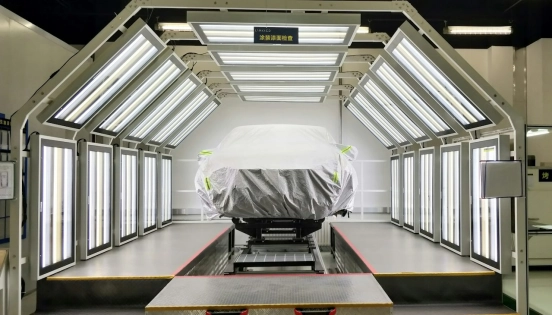
When Is Car Paint Ready for Tape Removal?
“Dry” needs a bit more detail. Do you mean dry enough to handle, ready for another masking operation or fully cured? Those aren’t necessarily the same point in the job.
Check the paint system’s instructions for the actual job. Air drying and a forced bake don’t create interchangeable removal windows. Neither does changing the hardener while keeping yesterday’s schedule.
Think about what happens where the spray reaches the tape. Paint can join the panel to the masking in one continuous film. You want that join to part cleanly. Too wet and you can disturb the line; leave a hard bridge there and it may break unevenly as you pull.
A test panel is worth having beside the job for exactly this moment. Prepare it with the same coating layers and take it through the same drying cycle. You can try an edge there without sacrificing part of the car. A strip that drags the new paint into a string has already answered your question: that release isn’t working yet.
How Should You Peel Automotive Masking Tape?
Give yourself a decent view. If the mirror and your fingers hide the point you’re pulling from, move to a different end. You need to see the release as it happens.
- Get hold of the end that’s already free. A fingernail digging for a buried edge can leave its own mark.
- Pull slowly. Around 45 degrees is the usual starting angle for automotive unmasking. If you meet resistance, pause there. The angle doesn’t give you permission to pull harder.
- Keep shortening the loose strip in your hand. You don’t want a long tail sticking to the door while you’re concentrating on the next corner.
A wheel arch will make you change position. Move with it. Trying to finish the whole curve from one spot is an easy way to lose sight of the release point.
With pre-taped masking film, you have a sheet to manage as well as a narrow adhesive edge. Support it in your other hand. As it comes off, fold the overspray inward so that side can’t rub across the work. Don’t leave the last little piece of attached tape holding up the whole sheet.
What Does Paint Damage During Unmasking Tell You?
The strip you were about to throw in the bin is useful evidence. Is there paint on it, or is the paint still on the car beneath a sticky mark? We’d investigate those complaints differently.
Chips Along the New Paint Edge
Look closely at a chipped line. If the spray joined the finish to the tape, pulling can break that join and take small pieces from the edge. That makes the paint build and removal timing worth checking. Stop pulling if a crack travels into the finish. Cutting blindly along a painted panel can turn an edge defect into a deeper scratch.
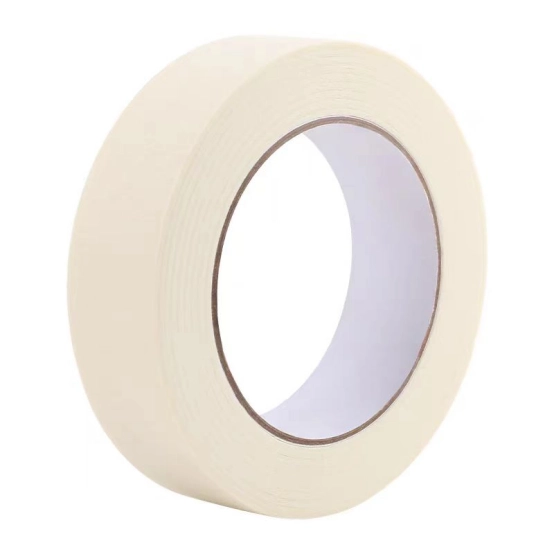
Paint Coming Away from Beneath the Tape
A wider patch lifted from the masked area calls for a different check. Was that surface a recent repair? Had it reached the coating manufacturer’s remasking stage? The tape may have exposed a weak bond between layers that already existed.
Lower tack may help a compatible process, but it won’t repair a poorly bonded coating.
Glue Left on an Intact Finish
No missing paint, just a sticky stripe? The adhesive has left something behind. Was removal delayed? Did the car go through another bake? It’s tempting to wipe the mark away with whatever solvent is nearby. We’d leave it alone until checking the paint maker’s cleaner guidance for the current cure stage.
A fuzzy line of unwanted color calls for a paint-bleeding check instead. It got under the masking before you started removing it.
Can a Higher-Temperature Tape Prevent Paint Lift?
It answers a heat question. It doesn’t settle the paint-lifting question.
Our QKD-120 and QKD-122 make a useful comparison here. Their total thicknesses are 120 μm and 150 μm respectively. Both carry a 60°C temperature rating. So the extra 30 μm isn’t buying a higher temperature limit. Nor does either thickness tell you whether the paint underneath is ready for the tape to come off.
Don’t finish selecting the masking tape with a temperature figure alone. How long is that grade allowed to spend at that temperature? Get that detail, then try the complete cycle with the actual paint system.
Suppose a small correction sends the car back through the booth. The masking hasn’t become new again. Include the earlier bake when checking whether the grade suits the work, even if nobody removed or replaced the tape between cycles.
Make the Next Unmasking Check Repeatable
Put the failed strip aside with the job notes. Take a close photograph before anyone cleans or sands the edge. Write down the application and removal times, plus the coating used. The actual bake conditions belong in that record too.
For a recurring fault, send us the notes and photographs of both the panel and the used tape. We can have a much more useful discussion with those in front of us. A picture of the untouched damage often answers a question that “it pulled the paint off” leaves open.
FAQ
Can Masking Tape Stay on a Car Overnight?
Check the permitted removal window for the roll and the coating process. There isn’t one overnight rule for every tape. Also think about where the car will wait: leaving it indoors and parking it in tomorrow’s sun are different exposures.
Should You Use a Heat Gun to Remove Masking Tape?
We wouldn’t reach for one as the automatic answer to a stubborn strip. You’re adding another variable to a job that’s already giving trouble. Check for a heat-assisted removal procedure from the coating and tape manufacturers before trying it on the car.
Can You Mask over Paint That Feels Dry?
You need the paint’s remasking time for that. Being able to remove the old masking doesn’t automatically mean you can put a new strip onto the fresh color. If you do it too soon, the next problem may be an imprint rather than a chipped edge.
Will a Thicker Masking Tape Protect Fresh Paint Better?
We’d be wary of deciding by feel. The thicker roll might be easier for you to handle, but that’s a different question from whether it releases cleanly. Try it on the same paint through the same cycle before changing what the whole shop uses.