
For a door membrane, the tape must keep water out while the panel flexes, the vehicle vibrates, and technicians may need service access. Automotive butyl tape for door membrane sealing is a strong candidate when the joint needs a continuous, non-hardening, flexible seal. Final selection depends on flange geometry, substrates, compression, temperature, and the leak-test method.
What Makes Automotive Butyl Tape Suitable for Door Membranes?
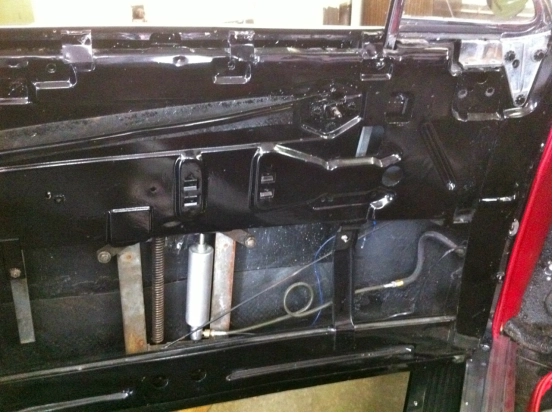
A door membrane separates the wet side of the door from the trim and cabin side. Its seal must accommodate small movements while maintaining contact with both surfaces. Non-hardening butyl can conform along a continuous flange and support service removal. The membrane seal controls water passage; clips, fasteners, or a separately designed bond carry trim and hardware loads.
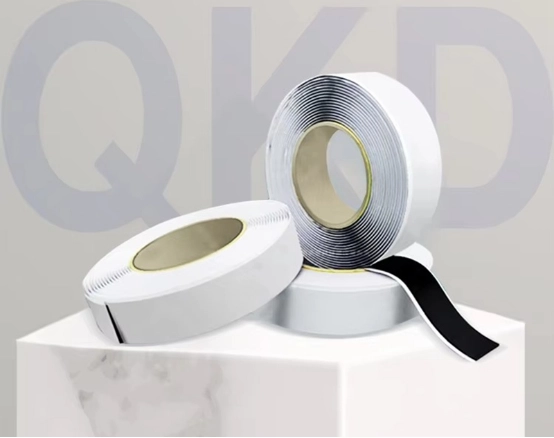
Our automotive butyl tape uses black, non-hardening butyl rubber for flexible, water-resistant sealing. Confirm adhesion on the production panel finish and membrane film as a pair.
What Should Automotive Butyl Tape Do in a Door?
Start with the joint loads rather than a nominal tack value. A door sealant normally has to manage:
- Repeated movement: Opening and closing flexes the sheet metal, membrane, and flange.
- Water paths: Rain runs down the glass and collects at clips, corners, and low points.
- Vibration and temperature: Speakers, window mechanisms, road input, sun, and cold change the gap and material stiffness.
- Service access: The membrane may need removal without tearing or a hard cured layer.
Flexibility, cohesive behavior, wet-out, and rework therefore matter alongside initial adhesion. Aggressive grip cannot compensate for poor corner conformity, while an overly soft bead may squeeze out under trim pressure.
In automotive sealing applications, distinguish the membrane perimeter from the door’s drainage system. Preserve drain openings and the original water-routing features. Sealing a drain can trap water inside the door even when the membrane perimeter looks sound.
How Should You Specify Width, Thickness, and Temperature?
Translate the door drawing into a tape specification. Record flange width, gap, corner radius, overlap, liner format, application pressure, and service exposure.
Match Bead Dimensions to the Joint Geometry
Compare butyl tape candidates at the same compressed joint geometry. More material can improve contact in a gap, but it also increases squeeze-out and the force needed to seat the membrane. Use the following table to connect joint conditions with trial checks.
| Joint Condition | Specification Question | Trial Check |
| Narrow flange | What bead width stays inside the flange? | Edge exposure and continuity |
| Uneven or stepped surface | Is extra thickness needed to fill the gap? | Compression, voids, and seating |
| High sun or cold exposure | What local range reaches the joint? | Flow, hardening, peel, and leaks after cycling |
| Frequent service | Must the membrane be removed and reused? | Separation and reseal behavior |
Separate Service, Application, and Storage Temperatures
Our automotive butyl tape has a published -40°C to 90°C temperature range. Compare it with the door’s local exposure temperatures and required test duration. Define application and storage temperatures separately; a service-temperature rating does not establish how cold the tape can be during installation.
How Do Car Door Panels Affect Seal Reliability?
Check both the bonding surfaces and the bead path: each can interrupt an otherwise continuous seal.
Check Substrates and Surface Preparation
The same butyl construction can behave differently on painted steel, coated aluminum, injection-molded plastic, and membrane film. Surface energy, texture, mold release, oil, dust, and moisture change contact area. Clean and dry the bond path, then use the same preparation for every sample.
Control Bead Path and Compression
Keep the bead away from moving window hardware, provide a controlled overlap, and avoid sharp inside corners. Check whether clips, wiring, or trim ribs reduce compression. A wider bead can improve continuity, but excess material can create trim interference.
Use this installation checklist:
- Confirm substrate materials and surface preparation.
- Mark the bead path, corners, splices, and no-go zones.
- Apply consistent pressure without stretching the tape.
- Seat the membrane without bridging across gaps.
- Record open time, dwell, compression, and visible voids.
What Does Automotive Door Sealant Validation Require?
Use a representative door section that captures the production geometry. Set acceptance criteria first, then run a repeatable sequence and record the results.
Define Acceptance Criteria Before Testing
Examples include no visible water path, continuous bead contact at corners, no interference with the window mechanism, and removal force that the service process can handle. Use the same inspection lighting, panel orientation, and test duration for every candidate so the result supports a design decision.
Run and Document the Validation Sequence
A practical release sequence is:
- Build the real joint: Use the production membrane, flange finish, clips, trim pressure, and application method.
- Measure application quality: Record bead continuity, overlap, compression, squeeze-out, and operator time.
- Run water exposure: Use the vehicle program’s defined spray, soak, or leak test and inspect low points and corners.
- Cycle the environment: Combine relevant heat, cold, humidity, and vibration exposures, then repeat the leak check.
- Inspect service removal: Remove the membrane, document residue or cohesive split, and reseal with controlled replacement material.
Record the tape lot, dimensions, preparation, application temperature, dwell, test duration, and result. Change one variable at a time to help isolate the cause of a failure. Use those findings to define a custom tape specification when the current dimensions or application format cannot produce continuous contact.
Which Buying Mistakes Weaken Door-Membrane Seals?
Common door-program mistakes include:
- Selecting by initial tack while ignoring movement and compression.
- Copying a temperature number without mapping the actual door heat-soak profile.
- Assuming “plastic” is one substrate instead of testing the specific resin and surface finish.
- Skipping corner, overlap, and clip-clearance checks on the drawing.
- Comparing roll price without counting installation time, scrap, and rework.
For example, a bead that seals a straight flange may bridge a stepped corner. Inspect the corner’s contact pattern before changing adhesive chemistry. The corrective action may be a revised application path or cross-section.
FAQ
Can Butyl Tape Replace a Structural Door Fastener?
No. A membrane seal closes water and air paths; a structural fastener or designed bond carries load. Treat the functions separately in the drawing and test plan.
Is -40°C to 90°C Enough for Every Door Location?
Compare our published range with local sun load, heat soak, cold start, and the vehicle program’s exposure duration. A temperature range alone does not establish retention after repeated environmental cycles.
Will Automotive Butyl Tape Adhere to Plastic Door Panels?
It can, but adhesion depends on the resin, texture, contamination, pressure, and dwell time. Test the production plastic and membrane film together, including any surface treatment used on the line.
Can a Door Membrane Be Removed and Resealed?
Non-hardening butyl can support service rework. Inspect the removed bead for contamination, cohesive split, and continuity before deciding whether replacement material is needed.
How Do You Choose the Correct Butyl Bead Size?
Start with the gap, compression target, corner geometry, and flange width. Confirm the size with a water test and trim-fit check; nominal width alone cannot prove a seal.
Define a Door-Sealing Test Brief
A useful brief includes the door-section drawing, substrate pair, seal path, cross-section target, application method, temperature and water exposure, acceptance criteria, and service requirements. Choose one representative corner or transition for the first trial. You can discuss the door-sealing test brief with us to clarify the material variables before comparing samples.