
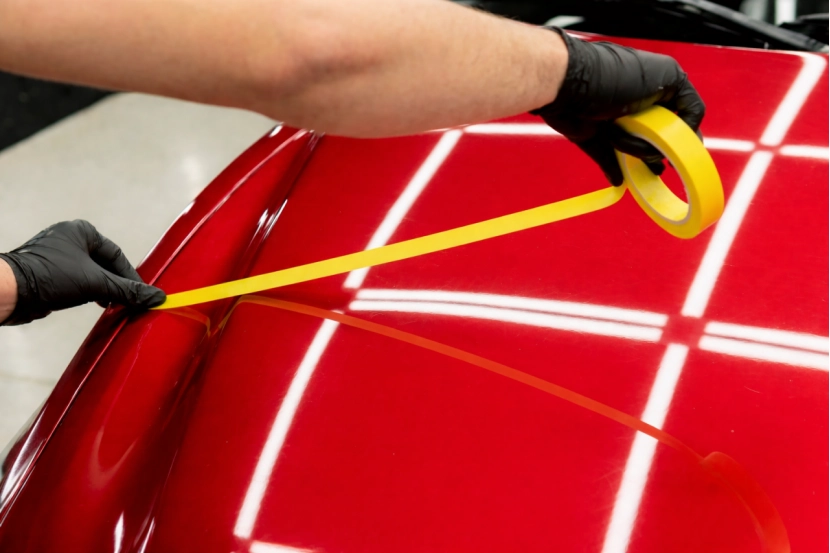
Adhesive tapes have turned into key tools in car making. They help with big jobs like putting together structures, sealing parts, and finishing touches. These tapes lead to simpler designs, quicker work, and lighter cars. When you compare them to old ways like screws or welding, the proper adhesive tape can make things easier. Yet it still hits tough standards for strength and how well it works.
Overview of Adhesive Tapes in the Automotive Industry
Importance of Adhesive Tapes in Vehicle Manufacturing
In today’s car production, adhesive tapes do more than just fix small things. They have become vital for spots where regular fasteners feel too heavy or slow. By cutting out screws, bolts, or welds in lots of cases, these tapes help drop the car’s total weight. And car makers always chase that for better gas mileage and fewer fumes.
Plus, tapes let workers put things on faster in factories. This boosts how much gets done. They also aid in making rides more comfy and useful. For example, they seal openings, soften shakes, and quiet sounds. You see this a lot in inside trims, panels, and engine area setups.
Key Characteristics of Automotive Adhesive Tapes
The car world is tough. Any stuff used has to handle big swings in heat, lots of water, oils, sun rays, and strong chemicals. Car tapes need to stick well on different bases like metal, ABS plastic, and coated spots.
A big plus comes from pressure sensitive adhesive tape (PSA). It gives quick, tidy sticking without heat or wait time to set. So, it fits right into robot lines or hand jobs without stops.
Assembly Tapes for Structural Applications
Role of Pressure Sensitive Adhesive Tapes in Assembly
Pressure sensitive adhesive tape plays a main part in putting cars together. Workers use it to join outside trim bits like badges and panels where exact looks count. Since these tapes don’t need time to dry or harden, they work great in busy factory settings.
Besides being quick, they give room for creative designs. Curved spots or mixed materials join up easy without bends or harm. This lets in fresh ideas that screws or welds couldn’t do.
Common Types of Assembly Tapes Used
Several kinds of PSA-based assembly tapes fit certain tasks:
- Acrylic foam tapes stand out for their strong hold and way to take in shifts between parts.
- Butyl tapes act as a protective layer, ensuring your parts are protected from rust and damage.
- Cloth and duct tapes can seal gaps, reduce noise and vibration, and improve driving comfort.
QKD Tape, a professional tape manufacturer, makes many of these top-notch sticky options geared for car automotive assembly applications. Their items get used in various fields like gadgets, building, and packing.
Mounting Tapes in Automotive Applications
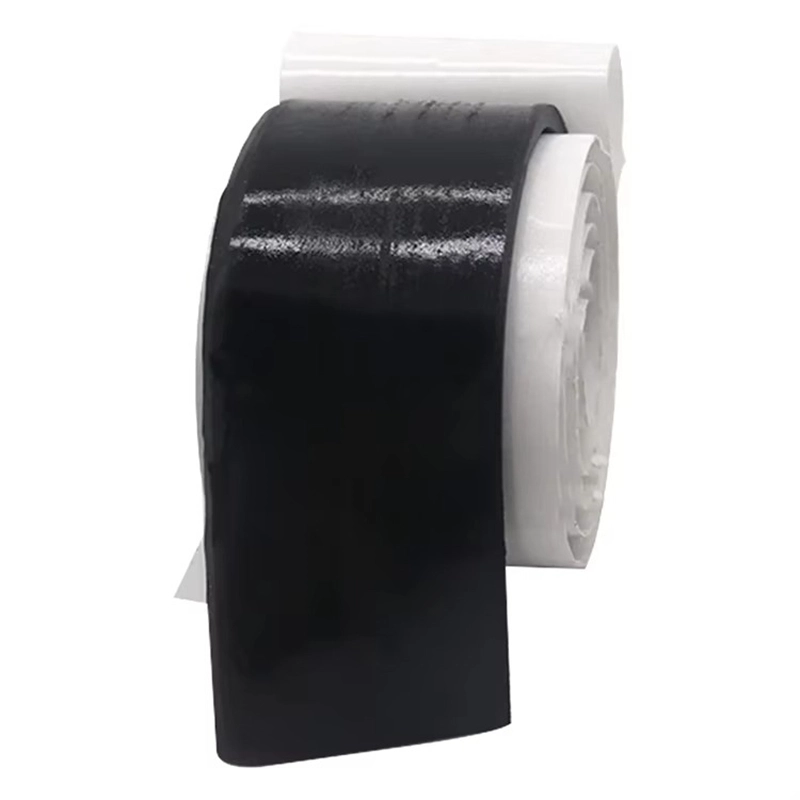
Double Sided Foam Tape for Mounting Components
Double sided foam tape gets picked a lot for car mounting work. Its soft build helps soak up shakes between joined items. This matters when fixing things like mirrors or sensors that feel road bumps.
This tape type fights off weather stuff for a long time. Think water getting in, heat changes, and sun damage. That’s why side body strips and wheel edge trims often count on foam glues to last without extra parts.
Benefits of Using Mounting Tapes Over Mechanical Fasteners
Shifting from regular fasteners to mounting tapes brings good looks and real perks:
- Smooth surfaces—no screws or rivets you can see.
- Even spread of pressure over the stuck area. This cuts down on breaks or wear in materials.
- Easy setup—no drilling or fancy tools needed.
For car makers aiming to speed up work and make products look better, these tapes serve as a top pick.
Masking and Finishing Tapes for Painting Processes
Automotive Masking Tape in Paint Shops
Automotive masking tape gets made for steps in painting jobs. It has to stand up to hot baking in ovens during setting. And it holds tight without letting paint leak under edges.
Even more key, it pulls off neat without sticky leftovers. This keeps paint lines steady and trims cleanup after. Such traits make it a must in plant paint areas and fix-up shops.
Finishing Tape Applications in Interior and Exterior Trim Work
Finishing tapes sometimes get missed but matter a ton in last putting-together steps. They aid in lining up fancy bits like shiny trims just right. Plus, they guard tender surfaces from marks during moves or shipping.
Whether setting dash parts or keeping glossy panels safe in transit, finishing tapes bring basic yet strong shielding.
Wire Harness and Electrical Insulation Tapes
Use of Electrical Tapes in Wire Bundling and Protection
In dashes, under seats, and through engine spots, electrical tapes group wires. They shield them from rubs and wet. These tapes also stop short circuits by covering bare links.
They often have traits that fight fire, key near power spots or battery parts.
Features of Wire Harness Tapes Used in Vehicles
Wire harness tapes in cars get built to take big heat under hoods. Some types add sound-softening to cut rattling from loose wires. This helps keep the inside quiet in electric cars where engine hum is low.
Surface Protection Films During Manufacturing and Transport
Purpose of Protective Films on Vehicle Surfaces
Protective films play a short-term but needed role in car making and shipping. They stop harm to soft surfaces like shiny bumpers or new paint on doors from dirt or light scratches.
This keeps things looking fresh till handover, skipping pricey fixes.
Types of Surfaces Typically Protected with Films
Films usually go on:
- Door sills
- Front/rear bumpers
- Touchscreen displays
- Dashboard panels
These spots see lots of contact and risk before cars reach buyers.
Factors to Consider When Selecting Automotive Adhesive Tapes
Environmental Resistance Requirements
Not every glue does well with sun or oil touch. In car uses, a tape must take heat drops—sometimes from -40°C to 120°C—and keep its grip strong.
Compatibility with Substrates and Coatings
Picking the right glue means matching it to the base stuff. For example, coated metal differs in grip from polypropylene plastic. A bad match can cause peeling later.
Looking for high-quality automotive adhesive tapes for your manufacturing needs? Whether you need pressure-sensitive, double-sided foam, or masking tapes, our products are designed to meet the tough standards of the automotive industry. Visit QKD Tape today and enhance your production efficiency with our top-notch adhesive solutions!
FAQs
Q: What is pressure sensitive adhesive tape used for in cars?
It’s mainly used for sticking trim parts like badges and side strips because of its tidy use and no need to wait for setting.
Q: Why choose double sided foam tape over screws?
It takes in shakes better and gives a smooth appearance without seen hardware.
Q: Can automotive masking tape withstand high temperatures?
Yes, good masking tapes get made to fight off liquids and hot oven heats in paint areas.
Q: What are wire harness tapes made to resist?
They fight high heat, wet, rubs, and even aid in cutting noise inside the ride.
Q: Are surface protection films reusable?
No—they’re usually one-time films put on during making and taken off before delivery or last check.