
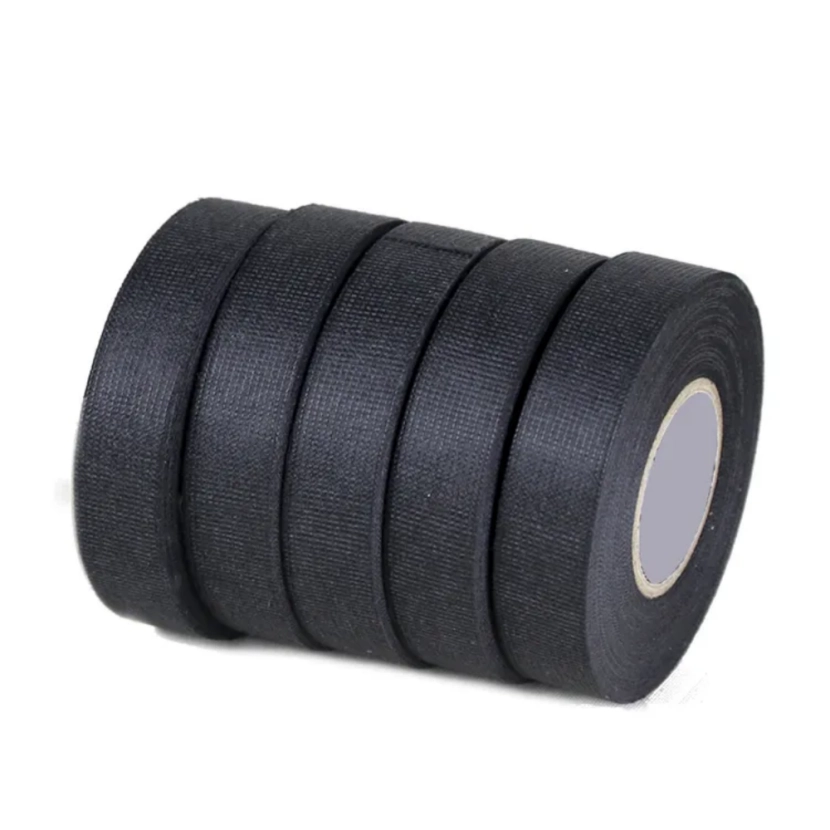
When it comes to under-the-hood reliability, even the tiniest details count. One often missed part that has a key job in keeping your vehicle’s electrical setup safe and working is the harness tape on wire bundles. The bad pick can cause early damage, rust, or even power breakdowns. So, if you’re fixing your engine bay wiring, picking the right automotive wire harness tape isn’t just a choice – it’s a must.
Importance of Choosing the Right Harness Tape for Your Engine Bay
Why Harness Tape Matters in Automotive Applications
The engine bay is one of the toughest spots in any car. Harness tape has an important task in handling and guarding the tricky web of electrical lines.
- It protects wiring from harmful heat, water, and rubbing.
- Helps keep cables tidy and fixed, cutting down wear from shakes.
- Boosts the total life of vital electrical parts.
Without good shielding, bare wires can rub on metal, pick up engine liquids, or get hurt by heat – and all that can lead to problems down the road.
Common Challenges in Engine Bay Environments
Harness tape has to last where most stuff breaks down. Under the hood, things are far from easy:
- Steady contact with hot temps from engine running.
- Liquids like oil, coolant, and gas might drip or splash on wires.
- Strong shakes move the wiring as the car goes.
- Quick hot and cold changes stress stuff over and over.
- Damp air and water drops make sticking and strength harder.
That’s why regular tapes won’t work here – only special ones will stay strong.
Key Qualities to Look for in Automotive Wire Harness Tape
Strong and Stable Adhesion
First off: if the tape doesn’t hold tight, the rest doesn’t count. Automotive wire harness tape should stick firm to different surfaces – like plastic wire covers, metal holders, and such – without coming loose or unwinding. The glue should remain in place even with engine liquids or dirt around.
Resistance to Wet Weather Conditions
Water can fast wreck connections or cause short outs. A solid harness tape should:
- Keep its hold when damp or in moist air.
- Work as a block that stops water from reaching touchy spots.
This matters a lot for cars in rainy spots or near the sea where rust is a big worry.
High Temperature Tolerance
Heat strength is a deal breaker. High temperature tape choices should handle both constant warmth and sudden jumps without melting or falling apart. For instance:
| Temperature Range | Application Zone |
| 105–130°C | General engine bay wiring |
| 130–150°C | Areas near engine block |
| 150°C+ | Near turbochargers or exhaust |
Picking a tape made for the right heat level makes sure it stays reliable for a long time.
Ability to Handle Rapid Temperature Fluctuations
Cars often shift from cold starts to fast road speeds in just minutes. The tape must stay bendy during these changes:
- No breaking in cold weather.
- No getting soft in hot jams.
- Keeps its shape over the years.
This trait also stops glue from breaking down due to endless growing and shrinking.
Protection Against Corrosive Substances
Engine bays have lots of harsh liquids: gas, brake fluid, oils, cleaners. Your wire harness tape should fight these things so it doesn’t get weak after contact. A glue and back material that stands up to chemicals help keep things working even with spills or leaks by mistake.
Types of Tape Commonly Used in Engine Bays
Fabric-Based Wire Harness Tape
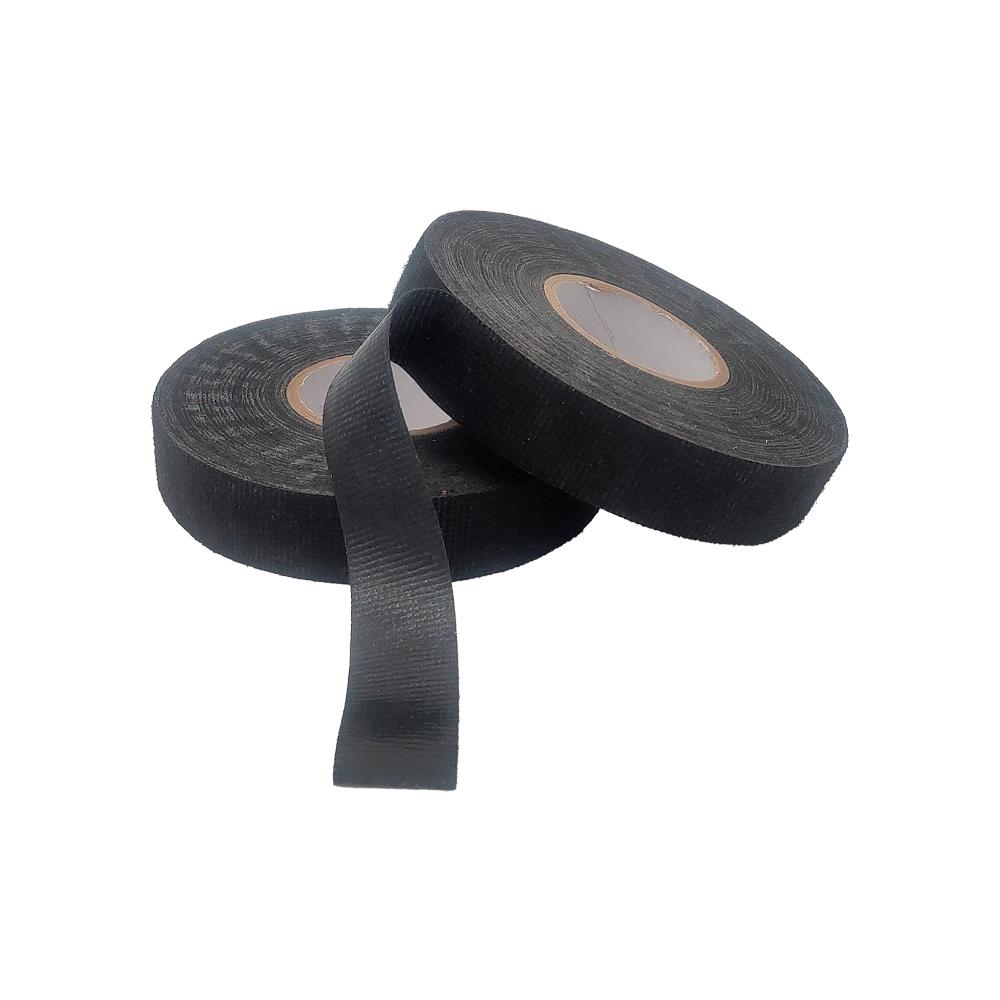
This kind has a woven back (often polyester) that gives great rub resistance. It’s also less noisy – cutting down buzzes or rattles from shaking cables. Car makers often pick fabric-based tapes for that reason.
- Gives bendiness for wrapping sharp turns
- Offers a neat, pro look
- Lowers sound from wire shifts
High Temperature PET Tapes
These man-made materials bring flame-retardant traits and strong heat handling. PET tapes are real good at fighting both temps and chemicals.
- Perfect for spots near manifolds or heat guards
- Keeps form and stick under pressure
- Often comes in black for sun ray protection
Some brands mix PET with acrylic glues for better work under heat changes.
Tips for Selecting the Right Tape for Your Vehicle
Match Tape Specs with Engine Bay Conditions
There’s no single fix for all. Think about these questions:
- What’s the top temp your engine bay hits?
- Are there regular liquid drips or splashes?
- Do you want sound lowering?
Pick a tape that fits these needs. Say, if you’re near the exhaust part, basic cloth tape won’t hold up – a high temp PET tape rated over 150°C fits better.
Choose Products Designed Specifically for Automotive Use
QKD Tape is a professional tape manufacturer offering industrial adhesive solutions across automotive, packaging, construction, and electronics industries. Their automotive wire harness tape lineup includes options tailored for high heat and chemical resistance, making them suitable for demanding engine bay applications.
Proper Application Techniques for Harness Tape Installation
Preparing Surfaces Before Taping Wires
You might be shocked how many setups fail just because surfaces aren’t wiped clean right. Be sure to:
- Take off oil or grease with alcohol pads
- Dry the wires all the way
- Don’t tape over old glue bits
A fresh surface boosts sticking and stops early peeling.
Wrapping Techniques That Ensure Durability and Coverage
The way you put on the tape counts as much as which tape you grab. Here are some tips:
- Overlap each turn by half for total cover
- Use steady pull but don’t stretch too much
- End with a folded tip or glue tab to stop unwinding
Give extra care around sharp bends or plugs – those are places where trouble often starts.
QKD Tape’s product engineering focuses on real-world application performance, including high-tack adhesives that bond quickly to irregular surfaces. That’s an advantage when working with tight spaces in modern engine bays.
For reliable, high-performance wire harness tapes designed to withstand the toughest engine bay conditions, visit QKD Tape today and enhance your vehicle’s electrical protection.
FAQ
Q: Can I use electrical tape instead of harness tape?
A: Not recommended. Electrical tape lacks the heat and chemical resistance needed for engine bays.
Q: What’s the difference between PET and cloth harness tapes?
A: PET offers better temperature and fluid resistance; cloth provides better noise reduction and flexibility.
Q: Will harness tape prevent corrosion?
A: It helps by sealing out moisture and fluids but isn’t a substitute for proper wire insulation or routing.
Q: How long does automotive harness tape last?
A: Quality tapes can last several years under normal conditions if applied correctly. Environmental factors will affect longevity.