
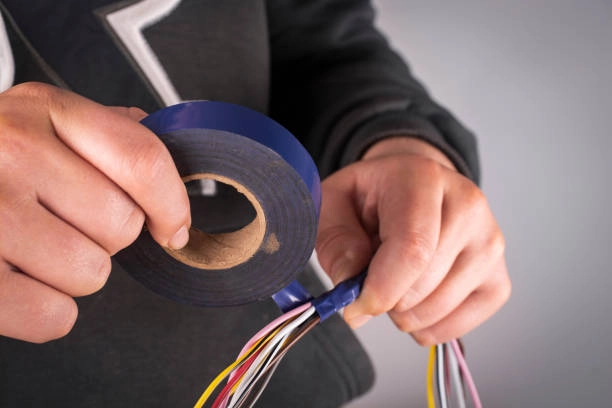
If you’ve ever grabbed a roll of tape to patch something fast—like a worn-out wire or a ripped air duct—you’ve likely hit this problem: electrical tape or duct tape? They might seem alike at first look. But the gaps between them are big. In a nutshell, if you’re handling insulation or live electrical parts, pick electrical tape. If you want tough sticking on lots of surfaces, choose duct tape.
Comparing the Materials of Electrical Tape and Duct Tape
Composition of Electrical Tape
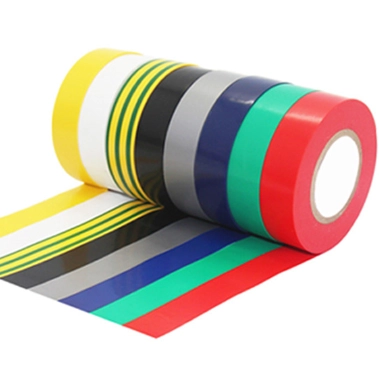
Electrical tape is mostly made from vinyl or PVC. Both are known for being bendy and good at blocking electricity. These materials let the tape wrap around odd shapes. They also give the strength to stop current from leaking. You often see it in black. But it comes in red, blue, yellow, and green too. That’s for marking phases and spotting circuits.
PVC electrical tapes fight fire, stretch well, and keep insulation solid in changing setups. The vinyl backing fights wear and rust. So it’s trusty for long use in spots like car wiring and electrical boxes.
Composition of Duct Tape
Duct tape, on the other hand, gets built with a woven cloth or scrim stuff. It’s coated with polyethylene on one side. And a rubber-based glue on the other. This mix gives duct tape its usual toughness and water blocking. It doesn’t block electricity though. But it shines at holding heavy or bumpy materials together.
The cloth backing adds pull strength. The polyethylene layer brings moisture blocking. It’s this blended setup that makes duct tape handy for home and building jobs.
Adhesive Strength and Bonding Capabilities
Adhesion Properties of Electrical Tape
Electrical tape has okay sticking power. It’s enough to hold wires. But not too strong that it’s hard to move around. Its main plus is how it fits to curved spots like cable groups or sharp turns.
It focuses on safety more than grip. So its hold is made to let easy removal or rewrapping for fixes. It’s aimed at blocking electricity, not at joining things tightly.
Adhesion Properties of Duct Tape
Duct tape has a strong sticky glue. It grabs almost any surface—wood, metal, plastic, even concrete. Its hold is way tougher than electrical tape’s. That makes it good for grouping stiff stuff or closing gaps.
But this strong glue can leave goo behind when you pull it off. Especially on rough surfaces or in heat. Still, its quick patching or binding skill makes it a favorite for fast fixes.
Temperature Resistance and Environmental Durability
Heat Resistance of Electrical Tape
Based on the type, electrical tape can take heat from 80°C up to 105°C. It won’t lose its blocking power. Its PVC makeup helps keep electrical safety under heat pressure. That’s key in wiring that runs near hot spots or in engine areas.
This fits well for inside electrical tasks. Circuits might heat up slowly there. But they still need safe cover.
Heat Resistance of Duct Tape
Regular duct tapes handle lower heat—usually around 60–80°C. Long time in higher heat can make the glue fall apart and lose hold.
This cuts its trust in hot places like near heaters or under car hoods. It could work okay for wrapping HVAC ducts. But not for jobs with lots of heat.
Moisture and Weather Resistance Comparison
- Electrical tape gives basic water blocking but isn’t waterproof. Steady water can weaken its glue and hurt insulation.
- Duct tape does better for quick water blocking because of its polyethylene coat. Yet over time, water can sneak into the cloth backing. And that drops how well it works.
Neither is great for long soaking or outside sealing. Unless the maker says it’s waterproof.
Application Suitability in Various Use Cases
Uses of Electrical Tape in Technical Settings
Electrical tape is a must in low-voltage electrical work. Think taping wire joins, covering bare conductors, grouping cables neatly. It’s also used in gadgets and car stuff thanks to its fire fighting and stretch.
Colored kinds help a lot when marking wires—like matching phases in a three-phase setup.
As a trusted pvc electrical tape manufacturer, QKD Tape offers vinyl tapes with uniform thickness and high adhesive strength, ensuring reliable performance even in high-humidity environments.
Uses of Duct Tape Across Non-Electrical Scenarios
Duct tape got its name from sealing air ducts back in the day. But its uses go way past that. From quick fixes on tools and covers to boxing up stuff or grouping building materials—it’s a real helper in everyday upkeep.
But never use it on live wires or instead of blocking materials. It lacks electrical blocking strength. So it’s unsafe for any electrical jobs.
Evaluating Versatility Based on Application Needs
When to Choose Electrical Tape Over Duct Tape
Pick electrical (vinyl or PVC) tape when your job involves:
- Blocking electrical links
- Working near live wires
- Meeting UL-listed safety standards
- Color coding circuits
In all these, using duct tape might bring real safety dangers.
When to Choose Duct Tape Over Electrical Tape
Grab duct tape when:
- You need strong sticking on wood, metal, or plastic
- Closing materials for a bit
- Doing quick fixes where blocking isn’t needed
- Working on rough surfaces that push away smoother tapes
QKD Tape offers duct tapes that are designed with industrial-grade adhesives, making them particularly effective for packaging and construction sites where strength matters more than flexibility.
Common Questions About Electrical and Duct Tapes
Can duct tape be used instead of electrical tape?
No. Duct tape misses blocking traits and doesn’t follow safety rules for electrical work.
Is electrical tape waterproof?
Not fully. It fights moisture but can break down if soaked or out long.
Is duct tape waterproof?
Only for a short time. It’s water-fighting thanks to its polyethylene layer, but not made for lasting water blocking.
Is electrical tape heat resistant?
Yes—to some point. Most tapes handle up to 80–105°C based on quality.
Can duct tape be used in hot or cold environments?
It works best in okay weather. Too much heat can soften its glue; real cold can make it snap easy.
What are common uses of black electrical tape?
Black electrical tape gets used mainly in pro wiring jobs for blocking, grouping cables, and phase marking when other colors aren’t called for.
What are vinyl or PVC tapes used for?
Vinyl or PVC tapes are liked for their bendiness, fire fighting, and skill to block live wires steady across different heat levels.
Selecting the Appropriate Tape Based on Project Requirements
Before you dig into your toolbox:
- Check the heat range the job will hit.
- See if the surface is bumpy or flat.
- Think about water or sun exposure.
- Most key: figure if blocking against electricity is needed.
Picking the right one boils down to getting both the material traits and the job needs. Whether you’re closing ducts on a roof or grouping wires behind your sound system, choosing between electrical and duct tape ain’t just about easy—it’s about staying safe and getting it to work.Don’t compromise on safety and performance—ensure you’re using the right tape for your task. Visit QKD Tape to shop now and experience reliable, long-lasting performance with every roll!