
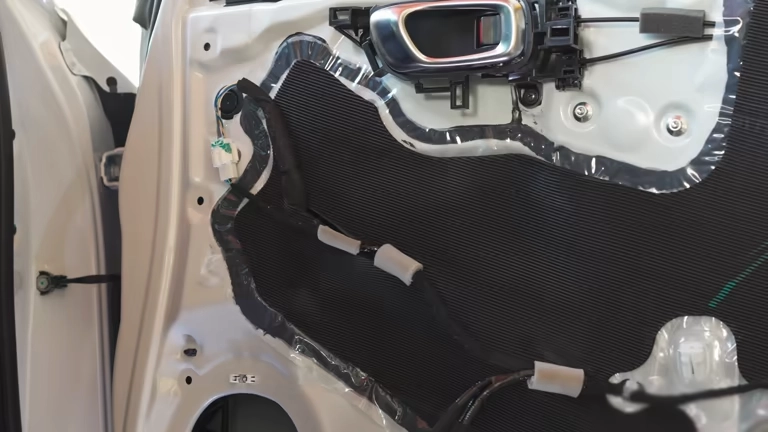
Removing butyl tape isn’t just about scraping off a sticky mess — it’s about keeping the strength of your surfaces and making sure future applications stick well. You could be handling old RV seals, window setups, or metal joints. Learning the right way to remove butyl tape can save time. It can protect materials too. Plus, it boosts long-term results.
What is Butyl Tape?
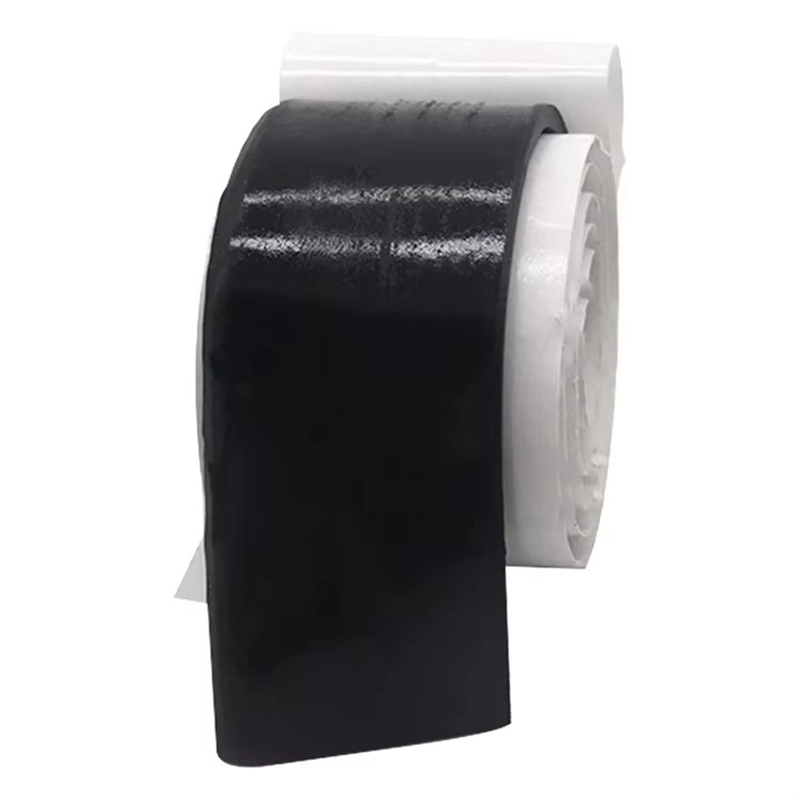
Butyl tape is a pressure-sensitive sealing material made from synthetic rubber known as butyl. It doesn’t harden. It bends easily. It fights off water and temperature shifts. These traits make it great for closing joints with motion or shakes. Standard adhesives harden or dry up. But butyl stays sticky. This lets it keep a watertight seal for a long time. In fields like construction, automotive, and roofing, people use it often. They choose it for its strong build and simple setup.
Butyl Tape Common Uses
The flexibility of butyl tape use covers many areas:
- Construction: Sealing roof overlaps, windows, skylights, and vents.
- Automotive: Used in car doors, headlights, and windshields to prevent water ingress.
- Marine: Provides waterproof seals for hatches and fittings.
- HVAC systems: Ensures airtight seals around ductwork.
Workers value how it sticks to metals, glass, wood, and plastics. No special starters are required. QKD Tape manufactures industrial-grade butyl tapes designed for these demanding environments — their products are widely used in automotive assembly lines and building envelope systems due to consistent performance.
Why do I Need to Remove Butyl Tape?
With time, even the top sealants might need swapping. Removing old butyl tape gets needed for a few causes.
Replace Damaged Tape
Sun rays or rough handling can wear down the tape’s top. Cracks or spaces show up. Then the seal works less well. You must replace it to stop leaks.
Upgrades or Renovations
When fixing up buildings — like changing windows or fixing an RV roof — take off old butyl first. Do this before adding new layers. Putting new tape on old bits cuts down on sticking power.
Changing the Surface Material
Moving from metal panels to mix boards or painting again needs full removal of old sticky stuff. This makes sure new paints or tapes join right.
Tools and Materials Needed to Remove Butyl Tape
Before you begin the removal, collect these tools:
- Plastic scraper or putty knife
- Heat gun or hairdryer
- Adhesive remover (citrus-based or solvent type)
- Clean rags
- Protective gloves
Skip metal scrapers unless you have to; they can mark soft surfaces like painted aluminum or fiberglass.
Step-by-Step Guide to Removing Butyl Tape
Moving from prep to real removal takes care — hurrying this part might hurt your base.
Step 1: Prepare the surface
Wipe away dust and dirt near the butyl tape. This stops junk from getting into the soft glue later.
Step 2: Soften the tape
Take a heat gun on low (or a hairdryer for touchy stuff) to warm the tape a bit. Heat makes the rubber softer. So it peels off without breaking.
Step 3: Peel off the tape
When it’s soft, lift one side with a plastic scraper. Pull slow at a low angle, not up. This cuts down on bits left. If it fights back in the middle, add more light heat.
Step 4: Clean the residue
You can rub off any left glue with remover on a rag. For tough spots, let the solvent sit a couple minutes. Then wipe. End with soap and water cleaning. This way no chemical layer stays before new sealant goes on.
Frequently Asked Questions
Can I use alcohol instead of adhesive remover?
Yes, isopropyl alcohol works for light residues but may not dissolve thicker layers as effectively as specialized removers.
Will heating damage paint?
If kept under controlled temperature (below 80°C), most painted surfaces remain safe. Always test on a small area first.
Can I reuse old butyl tape?
No — once exposed to air and pressure cycles, its elasticity decreases significantly.
Final Thoughts
Removing butyl tape right keeps surfaces clean for new uses or fixes. It’s not hard but needs focus on small things — especially with touchy bases like fiberglass or covered metals. Workers often stress taking time here; pushing it can do more bad than good.
QKD Tape stands out as a reliable partner in this field. As an established manufacturer specializing in industrial adhesive solutions across automotive, packaging, construction, and electronics sectors, QKD Tape continuously refines its product formulations for better adhesion stability and environmental resistance. Their experience in both production and application guidance makes them a trusted reference point for engineers seeking dependable sealing materials for long-term use.
One Stop Butyl Tape Manufacturer
For those seeking consistent quality control from formulation through packaging, QKD Tape provides comprehensive manufacturing capability under one roof. With advanced production lines and strict testing protocols ensuring uniform tackiness and weather resistance across batches, they support global clients in developing customized solutions tailored to specific industrial needs — whether that’s high-temperature sealing in vehicles or moisture barriers in prefabricated housing panels. Contact QKD Tape today to explore our range of reliable, high-performance adhesive solutions and find the perfect tape for your needs. Let us be your trusted partner in creating durable, professional-grade seals.