
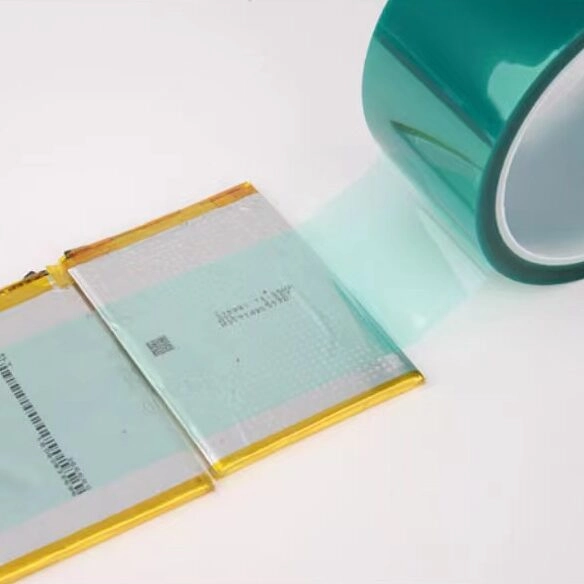
Knowing the difference between PET tape and masking tape is important for folks in manufacturing, automotive, or electronics fields. While both work as sticky options, they fit quite different jobs. PET tape handles tough spots and harsh settings well. Masking tape offers bendiness and simple peeling off. Picking the right one can cut down time, avoid harm to surfaces, and boost how well you get things done.
Understanding PET Tape
Composition and Material Characteristics
PET tape comes from polyethylene terephthalate (PET), a sturdy plastic famous for its solid build. This stuff gives strong pull resistance, so it works great for hard tasks in factories. It fights against pulling apart or ripping when under pressure. Due to its heat steadiness, PET tape does fine in places with changing warmth levels.
Its toughness lets it keep sticky power for a while without breaking down fast. Lots of tech workers pick it for parts in gadgets that make heat or need covering. QKD Tape, a professional manufacturer specializing in industrial adhesive solutions, uses advanced PET formulations to produce tapes that maintain consistent performance across various applications—from electronics to packaging.
Adhesive Properties
The sticky part of PET tape gets made to grab tight onto flat areas like metal, glass, or plastic. It leaves little mess when you pull it off, and that’s key for careful jobs where keeping things clean counts. The glue can take high heat without getting too soft or slipping.
For example:
- Strong adhesion suitable for both sided sticky tape applications.
- Minimal residue ensures clean removal after long-term use.
This mix of power and tidiness turns PET tape into a top pick in factory lines. There, items face warming or light from UV rays.
Common Applications of PET Tape
PET tape sees wide use in making gadgets—like wrapping wires, covering power parts, or holding battery bits. In factory production, PET silicone tape is used to protect areas during high-temperature processes such as powder coating. It also shows up often in cars where beating heat matters—for example, tying wire groups near motors.
| Application Area | Typical Use Case | Tape Type | Temperature Range |
| Electronics | Insulation & component protection | PET Silicone Tape | 150–200°C |
| Industrial Manufacturing | Splicing & surface masking | PET Tape | 80–130°C |
| Automotive | Wire wrapping & sensor protection | PET Tape | 105–125°C |
Exploring Masking Tape
Material and Texture
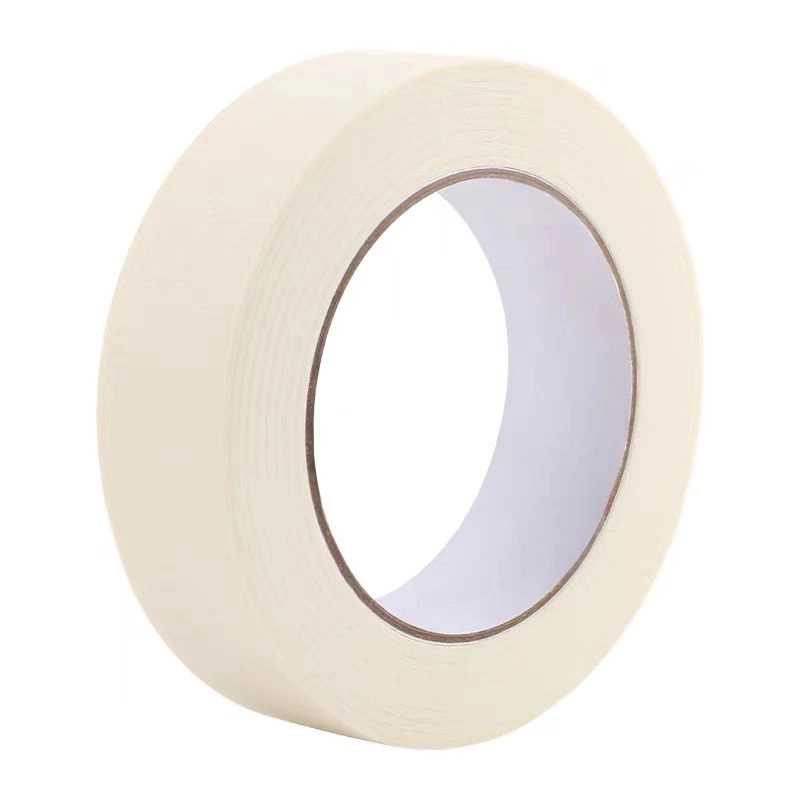
Masking tape usually has a paper back with a mild glue on it. Its feel lets you rip it by hand—no need for cutters—which helps for fast work. The paper part makes it bendy, so it fits over bumps or curves without folds.
Some new kinds use slim plastic layers instead of paper to fight damp better. But old-style paper masking tapes stay common because they’re simple and cheap.
Adhesive Features
Unlike PET tape, masking tape has a softer glue setup. This fits for short jobs where taking it off easy is big. It sticks good enough to shield spots during coloring, but it comes off neat without pulling up paint or making marks.
Its light hold stops harm to soft areas like car sides or new paint on walls—so automotive masking tape proves real handy in repair shops.
Typical Uses of Masking Tape
Masking tape gets used a lot in paint work—both in factories and at home—for hiding edges and getting straight lines. In car fixing, it covers trim bits before adding color layers.
Other uses include:
- Labeling temporary storage boxes.
- Holding lightweight materials during assembly.
- Protecting surfaces during minor repairs.
Since it’s simple to grab and tear with hands, workers keep rolls close for quick patches right there.
Key Differences Between PET Tape and Masking Tape
Material Differences
The main gap is in the core stuff: PET against paper. PET brings better toughness and heat fighting; masking tape gives bendiness and easy ripping. The table below wraps up these points:
| Feature | PET Tape | Masking Tape |
| Base Material | Polyethylene Terephthalate | Paper / Thin Film |
| Durability | High | Moderate |
| Heat Resistance | Excellent (up to 150°C) | Limited (up to 80°C) |
| Tearability | Requires cutting tool | Tearable by hand |
Adhesive Comparison
PET tape grabs with tougher glues meant for lasting holds on smooth spots like metal or glass. Masking tape uses a milder glue perfect for quick use on painted or bumpy areas.
In simple terms:
- PET = durable adhesion and high temperature resistance.
- Masking = temporary protection with clean removal.
Application Variations
PET tapes rule in spots needing steadiness under warmth—like gadget building lines or motor areas—while masking tapes shine in paint areas or decor jobs where sharp edges count more than lasting power. QKD Tape has developed both product types tailored for these needs: high temperature resistant PET tapes used in circuit board manufacturing and automotive masking tapes optimized for paint-line definition and residue-free removal.
Additional Considerations
Surface Compatibility
PET tape is best suited for adhesion to flat surfaces such as glass, smooth metal, or plastic because its high substrate hardness and low adhesion make it less effective on rough surfaces. Masking tape does better on mixed textures including wallboard, wood patterns, or dull coats thanks to its bendy paper base that shapes a bit when pressed.
When dealing with both sided sticky tape setups needing double glue layers—for instance joining clear screens—PET choices often give neater see-through results than paper ones.
Environmental Impact
Looking at nature effects, PET film doesn’t break down in soil but you can recycle it if handled right in special spots. Paper masking tapes rot quicker, yet they might have fake glues that mess with recycling. Going for green types with no-solvent glues cuts down harm to the world over time.
Efforts to go green are picking up among manufacturers like QKD Tape. Many industry insiders believe this is a necessary step, not just icing on the cake. For all your tape needs, from high-temperature applications to precise masking jobs, trust the durability and performance of QKD Tape. Contact us today to find the perfect solution for your next project!
FAQs
Q: What makes PET tape suitable for high-temperature applications?
PET silicone tape maintains stability up to 200°C without losing adhesion strength or deforming.
Q: Can masking tape be used on metal surfaces?
Yes, but only temporarily—it may lose grip under heat or humidity compared with PET alternatives.
Q: Does PET tape leave residue after removal?
Quality products generally leave minimal residue if removed within recommended timeframes.
Q: Is there an environmentally friendly version of either type?
Some manufacturers now offer recyclable PET films and solvent-free adhesives; paper-based masking tapes are more biodegradable overall.
Q: Which type should I choose for automotive painting?
Automotive masking tape works best—it provides clean paint lines and removes easily without damaging finishes.