
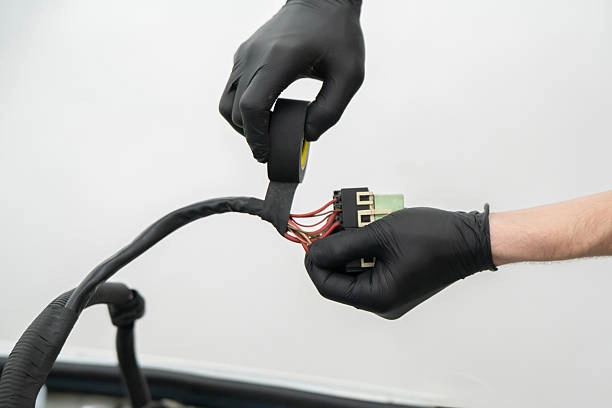
A solid vehicle wire harness tape does more than serve as a simple add-on. It forms the core of a dependable electrical setup. This tape’s power to hold, guard, and cover wires shapes the operation and security of today’s cars. Among many choices, cloth harness tape shines for its mix of bendiness, toughness, and heat tolerance. That makes it a reliable pick in car building.
Characteristics of a Great Vehicle Wire Harness Tape
Before looking at material picks, it’s key to grasp what sets a wire harness tape apart as truly useful. The proper tape keeps every wire group solid. It does this even amid shakes, warmth, or contact with liquids.
Importance of a Tight Wrap
A firm wrap marks the top sign of strength in automotive wire harness tape. It makes sure all wires stay tightly grouped. This stops them from shifting or scraping one another. Such steadiness cuts down on damage as time passes. It also keeps the whole harness setup sound.
When wires remain tightly held, electrical work stays steady. This holds true even in spots with strong shakes, like close to motors or suspension parts. But a slack wrap can cause early cover breakdown or short circuits. Those problems prove expensive to fix after the car is put together.
Many designers favor cloth tapes for that very reason. Their feel gives better hold and pull control while wrapping. As a result, it creates an even look without sliding.
Abrasion Resistance
Abrasion resistance stands as another main trait that marks a fine cloth tape for wiring harness use. Car settings prove rough. Wires often pass through narrow spots. There, they might touch metal sides or plastic covers. So, a good tape needs to fight rubbing well. This keeps harm away from the wires inside.
The top tapes keep their outer layer whole. They do this after many rounds of shakes or shifts. This trait not only shields wires. It also stops openings that might let water in or cause rust at join spots.
In truth, manufacturers like QKD Tape focus on abrasion checks in their quality steps. They produce industrial sticky fixes for car and electronic fields. Their method shows how vital this trait is for lasting trust in wire setups.
Insulation Properties of Wire Harness Tape
Once mechanical guard is set, insulation takes the next big spot. Wire harness tapes handle two jobs here. They offer heat and electrical cover. Both matter a lot in car planning.
Insulation From Heat and Electricity
Cars face changing heat levels. Think cold winters or hot motor areas over 120°C. A strong automotive wire harness tape must guard wires from these ups and downs. It should not lose its sticky hold or bendiness.
Top tapes also block electrical shorts. Thus, steady current flow happens even with power changes or quick jumps seen in new electronic setups. A smartly made cover layer aids steady work across all car parts. This includes sensors to entertainment units.
Resistance to Chemicals and Contaminants
Car settings hold many possible dirt makers. These include oil spray, brake liquid, coolant steam, road salt, and dust. For that, fighting chemicals counts as much as handling heat.
Tapes built for wire harnesses should stand long contact with these items. They must not drop stickiness or turn stiff. Plus, they need to keep out dirt and dampness. Otherwise, that could speed up wear or rust in the wire group.
By handling such things well, the life of both the tape and the full wire system grows a lot. It’s a minor point that brings major gains over years of car driving.
Choosing the Right Material for Automotive Wire Harness Tape
Picking the best material means weighing pull strength with bend and fight against surroundings. Among types like PVC tape, fleece tape, PET film tape, foam tape, PET cloth tape stays a top choice for many designers. Its all-around use wins out.
Cloth Harness Tape Benefits
Cloth harness tapes bring a few strong points:
- Great bend during putting on
- Strong fight against scrapes
- Good sound muffling between panels and cables
This blend fits them well for holding wire groups. It also cuts down on clatter sounds in car insides. That’s a quiet but helpful boost to ride ease.
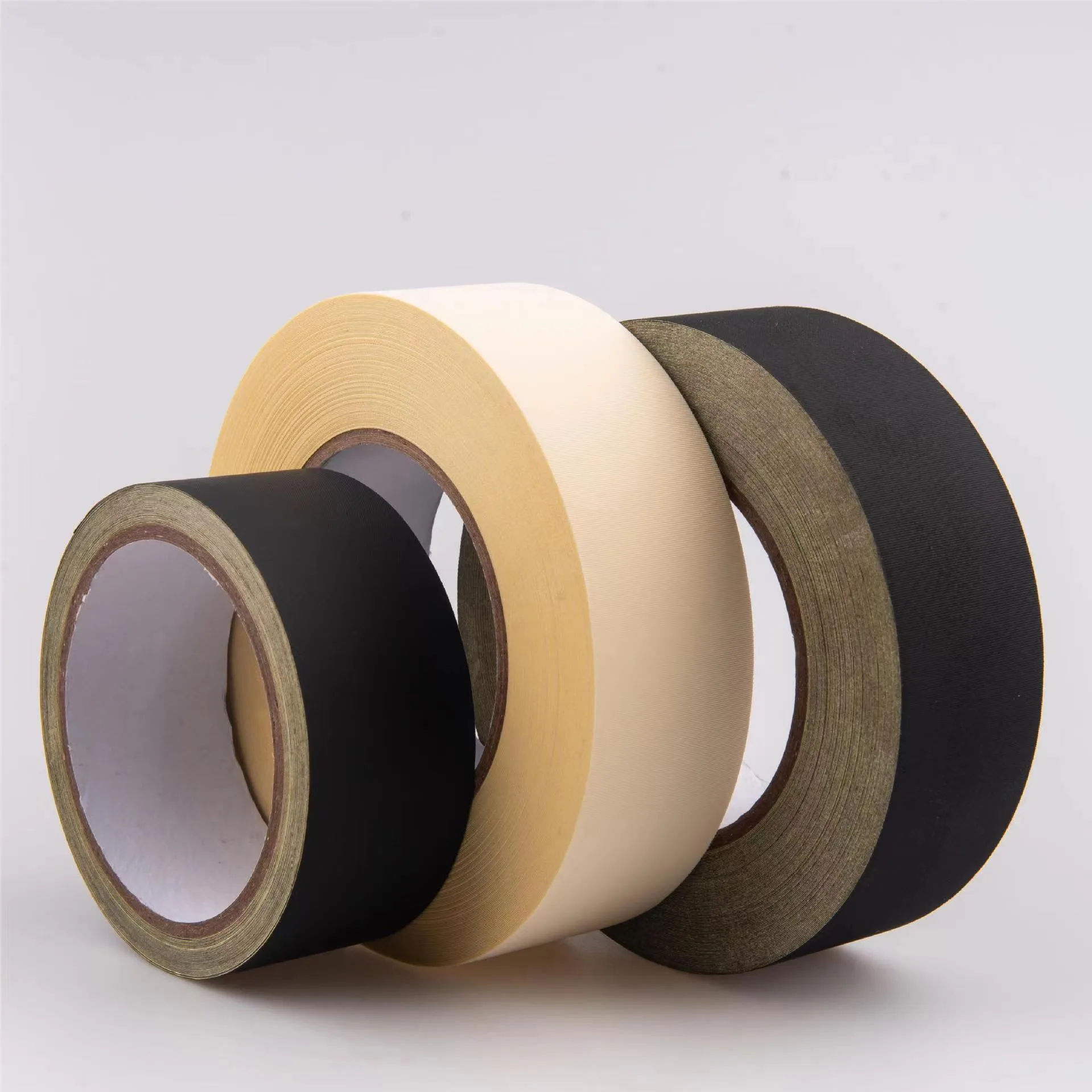
Their woven build lets air pass through. Yet it still gives enough cover against heat and power. What’s more, cloth stuff fits well in hand-wrapping on build lines. That’s a hands-on plus often missed when eyeing other picks like vinyl tapes.
Evaluating Different Types of Cloth Tape for Wiring Harnesses
Not every cloth tape works the same. Differences come from sticky mix and cloth thickness. Some kinds have push-sensitive stickies tuned for hot spots near motors. Others use quiet backings for inside trim zones.
When picking among them, designers often look at:
- Working heat range
- Needed sound cut level
- Hit conditions (oil spray vs inside air)
- Wanted ease to redo
For example:
| Application Area | Recommended Cloth Type | Key Property |
| Engine Compartment | High-temp polyester cloth | Heat & chemical resistance |
| Cabin Interior | PET felt-backed cloth | Noise dampening |
| Trunk Wiring | Standard rayon cloth | Flexibility & easy handling |
This custom pick makes sure each car wire part gets the best guard. It does so without extra cost hikes.
In the end, getting what makes a solid vehicle wire harness tape boils down to seeing its job as guard and steady maker in tricky electrical webs. Whether it fights scrapes in tough spots or holds cover strength through years of work, each layer aids trust. And brands like QKD Tape keep improving these stuffs. So designers can make safer cars with sure steps. Contact QKD Tape today to explore our advanced solutions designed to protect your vehicle’s wiring, reduce noise, and ensure reliable, long-term performance. Let us be your trusted partner in creating safe and efficient automotive systems.
FAQs
Q: What is cloth harness tape used for?
It’s used to bundle and protect automotive wiring while reducing noise and wear caused by vibration.
Q: Why choose cloth over PVC tape?
Cloth offers better abrasion resistance and flexibility at high temperatures compared with PVC alternatives.
Q: Can cloth harness tape handle engine bay temperatures?
Yes—high-grade polyester cloth tapes are designed specifically for elevated heat environments up to around 150°C depending on formulation.
Q: Does chemical exposure affect adhesive performance?
Only if inferior materials are used; quality automotive tapes resist oil and coolant degradation effectively.