
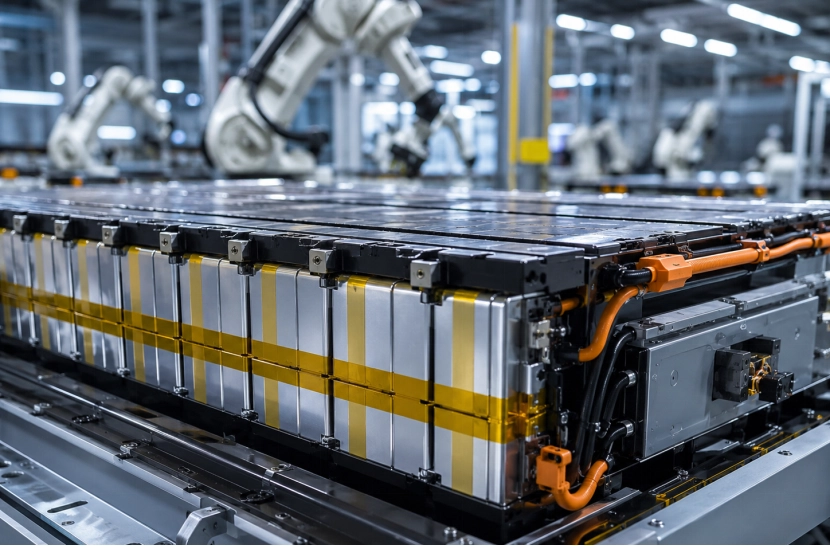
The car industry is moving quickly toward electric power. Even small parts like tape are seeing a major change. Electric vehicle (EV) makers are doing more than just picking a new glue. They are thinking about what automotive tape must do in high-voltage and lightweight settings. These areas also face high heat. This push for better results and greener methods is changing how industrial adhesive tape is made. It also changes how it is used on EV assembly lines.
Why Are EV Manufacturers Transforming Tape Specifications?
Electric cars bring up new engineering hurdles that gas cars never had. Battery packs get quite hot during use. High-voltage cables need strong insulation. Also, lightweight materials need glues that do not add a lot of weight. Because of these factors, tape specifications are shifting completely.
Modern industrial adhesive tape has to survive tough spots. It must deal with changing temperatures, chemicals, and steady shaking. It does this without losing its grip or its ability to bend. The tape must balance two things. It needs to help with electrical grounding but also provide insulation for safety.
How Do Sustainability Goals Influence Adhesive Choices?
Being green is no longer a side task. It is now a main goal in design. EV makers feel the pressure to hit global carbon targets. Solvent-free adhesives cut down on harmful VOC emissions. This makes the factory floor a safer place to work.
Brands like QKD Tape are creating goods that meet these new rules. Their work proves that being green can go hand-in-hand with the high-tech needs of modern electric cars.
Technical Shifts Driving New Tape Requirements
The tech needs for EVs go far past what old cars required. As power levels grow and heat loads go up, adhesive technologies must keep up with the pace.
What Role Does Thermal Management Play in EV Design?
Battery systems sit at the core of every electric car. They create a lot of heat when the car is charging or driving. If that heat does not move away, it can hurt performance. It can even cause safety issues. This is why thermally conductive adhesive tapes are so vital.
These special tapes do two main jobs. They hold parts together tightly. At the same time, they move heat away from sensitive spots like battery cells.
| Parameter | Traditional Vehicle | Electric Vehicle |
| Operating Temperature Range | -20°C to 120°C | -40°C to 180°C |
| Adhesive Type | Rubber-based | Silicone/Acrylic hybrid |
| Heat Dissipation Requirement | Low | High |
| Expected Lifespan | 8–10 years | 15+ years |
Better heat stability ensures the car stays reliable for a long time. This is very important for keeping warranties valid and earning the trust of the buyer.
How Are High-Voltage Systems Redefining Insulation Needs?
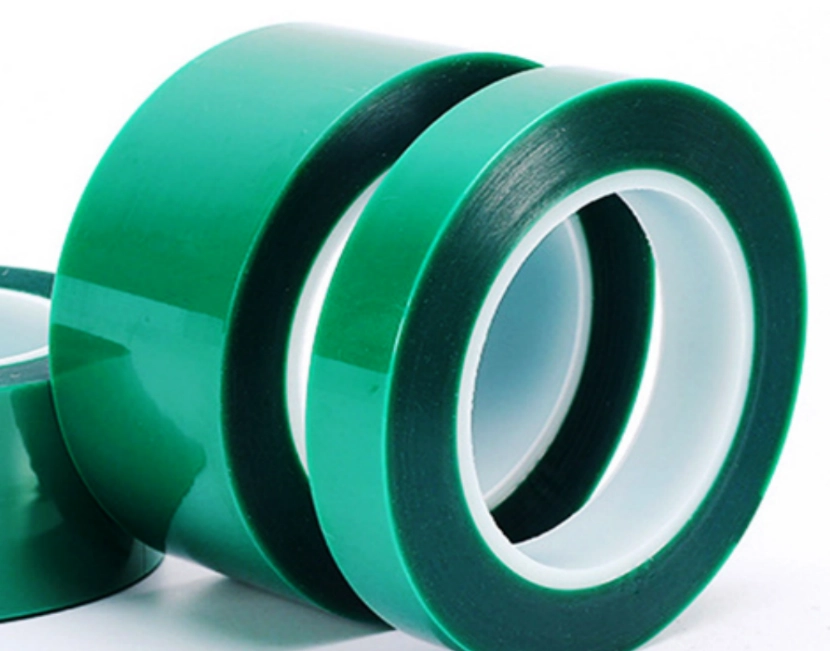
Voltage levels are rising above 400V. Some new models even hit 800V. Because of this, electrical insulation is now a matter of safety. Automotive tapes act as shields. They wrap around wiring harnesses, plugs, and battery parts.
Flame-retardant features are a must. They stop fires from spreading if there is a short circuit. Dielectric strength is also key. it keeps electrical parts separate even when the car is vibrating or under stress.
Makers want materials that stay sticky even when exposed to high voltage or wet air. This mix of fire safety and lasting strength sets the new bar for industrial adhesive tape in the EV world.
Material Innovation and Performance Optimization
Material science is becoming a bigger part of the process. Engineers want glues that are lighter but stronger.
Which Materials Are Leading the Next Generation of Automotive Tapes?
Labs today focus on three main types of glue. Acrylic adhesive is used for steady strength and clear looks. Silicone adhesive works best for very high heat. Polyurethanes offer great flex under pressure.
New backings like fiber-reinforced films help the tape bend without breaking. Multi-layer designs combine different jobs into one tape. QKD Tape uses these multi-layer designs to build a solid product line. Their goal is to improve how well parts bond and how reliable the electrical systems stay across many car uses.
How Is Lightweighting Influencing Adhesive Technology?
Every tiny bit of weight matters for the driving range of an EV. Strategies to lose weight have led makers to ditch metal brackets. They use high-performance tapes instead. These tapes hold just as well as bolts but weigh much less.
Pressure-sensitive adhesives (PSAs) make building the car faster. They do not need time to dry or extra parts to hold them. They also spread out the stress on a surface. This is better than having all the pressure on one bolt hole. It is a big plus when joining thin panels or composite parts.
Meeting Future Manufacturing Demands in 2026 and Beyond
As we get closer to 2026, the goals for makers are getting higher. They want top quality. They also need a steady supply and fast updates to new tech.
What Do EV Manufacturers Expect from Their Tape Suppliers?
Global car makers run huge supply chains across the world. They need the same quality everywhere. A tape must work perfectly in the cold of North America and the wet heat of Asia.
Making custom products is also very important now. Tapes for battery seals are different from tapes used to block out noise. Each one needs a formula that fits the exact heat and surface type of the job.
How Is QKD Tape Preparing for These Evolving Requirements?
QKD Tape is getting ready for these new standards. We are putting a lot of money into R&D for the next wave of automotive adhesives. Our labs mimic the real world. We test for things like shaking, salt spray, and high-voltage stress. We also check how tapes handle fast shifts in temperature. This ensures that every tape fits perfectly into the factory workflow. It also helps them meet the tough safety rules that global groups will set after 2026.
The work done by QKD Tape shows that new ideas are not just about chemistry. We are about knowing how every layer of a car works together in the complex systems of the future. Contact us today to discuss custom formulations designed for high-voltage, lightweight, and sustainable applications.
FAQs
Q1: What type of tape is used inside electric vehicle batteries?
Thermally conductive adhesive tapes are the top choice. They provide a strong bond and help control heat levels.
Q2: Why do EVs require different adhesives than gasoline cars?
EVs run at much higher voltages and can get very hot. They need tapes with better insulation and heat stability to stay safe.
Q3: Are solvent-free automotive tapes durable enough for mass production?
Yes, they are. Today’s solvent-free options are just as tough as old types. They are also much better for the environment.
Q4: How does lightweighting affect adhesive selection?
It pushes makers to use pressure-sensitive tapes. These tapes replace heavy metal parts while keeping the car safe and strong.
Q5: What testing ensures an adhesive’s suitability for electric vehicles?
Tapes undergo tests for heat cycles, high-voltage limits, and shaking. They are also checked for fire safety and how they age over many years.