
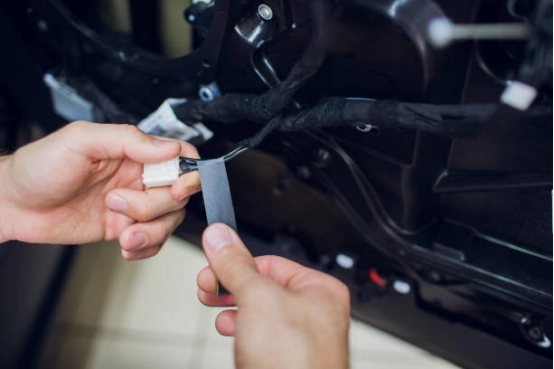
Drivers want a quiet space inside their vehicles. This applies to passenger cars, commercial vehicles, and electric vehicles. Powertrains run much quieter now. The change stands out most in EVs. Small sounds become easy to hear as a result. A wire bundle may tap against trim. A connector might vibrate inside a door. These actions can turn into an annoying squeak, buzz, or rattle very fast.
Automotive wire harness tape does more than hold wires together. The right tape cushions cable bundles. It cuts contact noise. It absorbs vibration. It also protects insulation. PET fleece harness tape serves as the popular starting point for most noise sensitive cabin applications. Still, the best choice depends on the vehicle zone. It depends on temperature, abrasion level, and installation method too.
What Is NVH in Automotive Wiring?
NVH stands for noise, vibration, and harshness. These problems often appear in a wire harness system. They happen when cables move against nearby parts.
Noise can come from wires rubbing plastic trim. It appears when connectors touch brackets. Loose bundles may strike the vehicle body. Vibration comes from road input and engine movement. Door operation, seat adjustment, and normal vehicle motion add to it. Harshness shows how strongly occupants notice or dislike these effects.
A well designed harness stays secure. It avoids creating new noise paths. Noise damping tape helps in this area. It adds a soft protective layer between the bundle and nearby surfaces.
Why PET Fleece Tape Is Usually Best for Noise Reduction
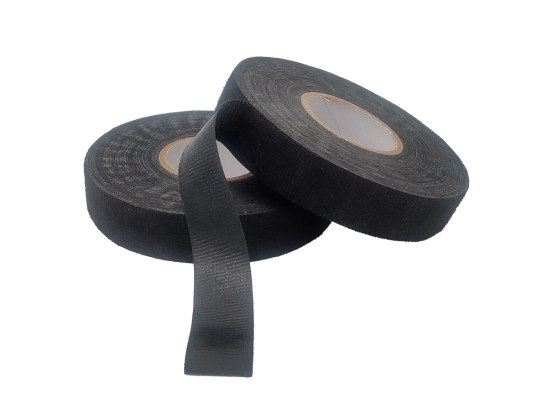
PET fleece tape sees wide use in automotive NVH control. Its soft, nonwoven polyester backing gives good cushioning and flexibility.
Smooth PVC tape feels different. Fleece tape has a thicker, textile like structure. When wrapped around a cable bundle, it forms a buffer. This buffer reduces rubbing, impact, and vibration related noise. The tape bends easily around corners. It fits connectors and odd bundle shapes. The harness does not become too stiff.
These features make PET fleece harness tape suitable for dashboards, center consoles, doors, headliners, and seats. A good grade offers acoustic damping. It provides reliable bundling, abrasion protection, easy application, and aging resistance. This mix makes PET fleece tape the best automotive harness tape for noise reduction in many passenger compartment applications.
PET Fleece Tape vs. Other Harness Tapes
No single tape is ideal for every vehicle zone.
| Tape Type | Noise Damping | Abrasion Protection | Typical Applications |
| PET fleece tape | Excellent | Good | Dashboard, doors, roof, seats |
| PET cloth tape | Moderate | Excellent | High friction harness routes |
| PVC harness tape | Low | Moderate | General bundling and insulation |
| Foam or anti-rattle tape | Excellent locally | Limited for full wrapping | Clips, brackets, contact points |
PET fleece tape is strongest when acoustic cushioning is the main priority. PET cloth tape is better when repeated rubbing or mechanical wear is the greater risk. PVC tape is useful for general bundling and electrical protection, but it normally offers less NVH control.
Foam and anti-rattle tapes work well at specific contact points. Some designs combine fleece wrapping with a patch near a clip, connector, or bracket.
Choosing Harness Tape by Vehicle Zone
Dashboard and Center Console
These areas contain plastic panels, ducts, brackets, and electronic modules in limited space. Small harness movements can create noticeable buzzing or squeaking.
PET fleece tape is usually the best choice because it cushions the bundle while remaining flexible. A medium or thicker grade may improve acoustic performance near hard plastic. Low odor or low emission requirements may also apply in the cabin.
Doors, Roof Liners, and Seat Wiring
Door and seat harnesses move repeatedly as windows, doors, and seats operate. The tape needs good conformability, secure adhesion, and resistance to repeated flexing.
PET fleece tape works well when noise reduction is the main goal. PET cloth tape may be preferred at higher friction points, with extra reinforcement around connectors and route transitions.
Engine Bay and Chassis
In these zones, heat, oil, chemicals, moisture, and abrasion often matter more than acoustic cushioning.
A standard interior fleece tape should not be selected automatically. Engineers must check service temperature, adhesive aging, fluid resistance, and abrasion performance. PET cloth tape or a purpose designed high temperature harness tape may be safer.
Key Specifications to Check Before Buying
The phrase “noise reducing tape” is not enough. Buyers should review several technical factors.
Noise Damping Performance
Ask how the tape is tested or classified for acoustic damping. A soft, thick backing generally provides better cushioning, but fiber structure also matters.
Service Temperature
Requirements vary by location. Interior zones may be moderate, while HVAC adjacent areas, engine compartments, and EV high voltage systems can demand much higher thermal resistance.
Abrasion Resistance
Check whether the harness will touch metal edges, plastic ribs, moving parts, or rough brackets. A tape that controls noise but wears through prematurely is not reliable.
Adhesive System
Rubber based or hot melt adhesives often provide fast initial tack. Acrylic adhesives are often considered when long term heat resistance, aging, or chemical stability matters more.
Thickness, Width, and Unwind Force
Thicker tape can improve cushioning, but it also increases harness diameter and material use. Width affects coverage, while unwind force influences operator comfort and application consistency.
Installation Tips for Better NVH Performance
Even the best tape can underperform when applied incorrectly.
First, identify the real noise source. Do not wrap an entire harness blindly when the problem comes from one connector or bracket. Maintain consistent overlap during spiral wrapping so no hard spots or exposed sections remain.
Avoid excessive tension. Pulling fleece tape too tightly compresses its soft structure and can reduce cushioning. Apply additional patches around clips, connectors, and sharp contact points when needed.
Finally, test the harness under realistic vibration, temperature cycling, and installation conditions using production equivalent components.
How to Select a Custom NVH Harness Tape
Some automotive programs require a custom balance of noise reduction, abrasion resistance, temperature rating, thickness, and adhesive performance.
Before requesting samples, provide the manufacturer with:
- Vehicle installation zone
- Operating temperature range
- Cable and insulation materials
- Required noise damping level
- Abrasion or chemical exposure
- Preferred width and thickness
- Manual or automated wrapping method
- Required test standards and order volume
Clear application data helps the supplier recommend a suitable construction and avoid testing the wrong material.
QKD Tape supplies PET fleece, PET cloth, PVC, and other automotive harness tape solutions for global B2B customers. OEM and ODM options can be developed around specific NVH, wrapping, temperature, and production requirements.
Frequently Asked Questions
Q: What Is the Best Automotive Tape for Reducing Wire Harness Noise?
PET fleece harness tape is generally preferred for passenger compartment NVH control because its soft backing cushions wires and reduces friction, vibration, and contact noise.
Q: Is Cloth Harness Tape Good for Noise Reduction?
Yes, although PET cloth tape is usually selected more for abrasion resistance and mechanical strength. It normally provides less acoustic cushioning than fleece tape.
Q: Can PET Fleece Tape Be Used in an Engine Bay?
Only when the specific grade meets the required temperature, aging, chemical, and abrasion conditions. An interior grade fleece tape should not be used in a high temperature zone without testing.
Q: Is Thicker Fleece Tape Always Better?
No. Additional thickness may improve cushioning, but it also increases bundle diameter, weight, and material use. The tape should match the NVH target and available installation space.
Final Thoughts
For most interior automotive applications, PET fleece tape offers the best balance of noise damping, flexibility, bundling, and harness protection. PET cloth tape may be better in high abrasion routes, while high temperature areas require validated materials.
Need help selecting an automotive wire harness tape? Send QKD Tape your application zone, temperature range, cable material, tape dimensions, and noise damping requirements. The team can recommend a suitable PET fleece or cloth tape and provide samples for evaluation.