
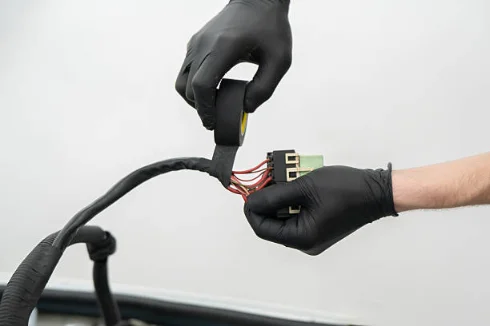
In automotive wire harness applications, where PET fleece backed tapes are often used for bundling and abrasion resistance, the choice of adhesive—hot melt or UV-cured acrylic—can greatly affect performance, durability, and long-term reliability.
For high temperature areas and long-term aging resistance, UV-cured acrylic adhesives usually do better than hot melt ones. But hot melt adhesives have benefits in quick stick and process speed.
Key Characteristics of PET Fleece Wire Harness Tapes
Composition and Function of PET Fleece Backing
PET fleece backed tapes are well-known in the automotive world. They provide strong abrasion resistance, especially for bundling and guarding wire harnesses. The soft but tough fleece material also helps reduce noise. This is key for passenger comfort in today’s cars.
PET fleece tape offers good flexibility too. It can bend to fit tricky paths in tight vehicle spaces. Plus, it works with both hand and machine wrapping. That makes it a top pick for many assembly lines. You can use it for cabin areas or under-dash parts. Black wire harness tape from PET fleece gives a neat and even wrap.
Role of Adhesive in Performance Outcomes
The backing gives structure and protection from wear. But the adhesive decides how well the tape sticks to surfaces over time. The type of adhesive affects several things. It influences bond strength on plastics, metals, or low energy surfaces. It also impacts long term strength under heat and chemical stress. And it affects how fast and steady the application is in making things.
So, picking between hot melt and UV-cured acrylic adhesives can change the tape’s results a lot. It depends on the spot where it’s used.
Hot Melt Adhesive: Performance in Wire Harness Applications
Adhesion Behavior on Automotive Substrates
Hot melt adhesives are made for fast stick. They grab onto surfaces like PP, ABS, or painted metal right away. These are common in car parts. This quick bond makes hot melt pet fleece tape great for fast work where instant hold matters.
Thermal Stability and Aging Resistance
Hot melt systems have one drawback. They don’t handle high heat well. Their work drops off above 105 °C. Long exposure in engine bay spots can make them soft. Or they might even flow, leading to tape edges lifting or bond breaking.
This point ties into why testing for the right environment is so important.
Processing Efficiency in Manufacturing Lines
In production, hot melt adhesives stand out. Their quick bonding lets workers apply tape faster in machine setups. Also, steady unwind force keeps things stable and expected. That helps cut down on stoppages.
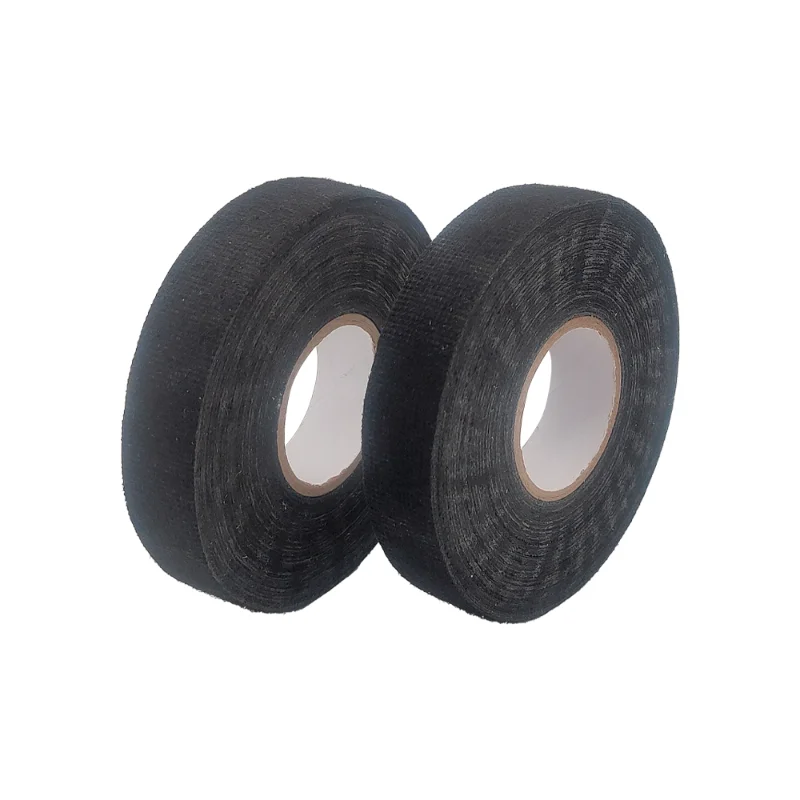
UV-Cured Acrylic Adhesive: Advantages in Harsh Environments
Long Term Durability Under Heat and Humidity
UV-cured acrylic adhesives resist high temperatures well. They often keep working up to 150 °C or higher. This fits them perfectly for engine areas, near turbochargers, or by battery modules in EVs.
Unlike other types, acrylic adhesives don’t turn yellow or get brittle as time passes. They hold onto function and looks. And migration—the slow spread of adhesive past its spot—is low in UV-cured types.
Chemical Resistance in Automotive Use Cases
Acrylic adhesives stand up to tough chemicals like oils, fuels, and plasticizers. They keep sticking to low surface energy plastics such as PE or PP. Hot melts might lose grip on these over time. This strength against chemicals matters a lot in places exposed to fluids, like wheel wells or underbody paths.
Compatibility with Advanced Vehicle Designs
Electric vehicles bring new heat control issues. UV-cured acrylics handle these by dealing with steady heat near battery packs or power electronics. They don’t lose stick.
These adhesives also fit lightweight trends. They make strong bonds on thinner materials. So, car makers can use slimmer and smaller tapes without losing toughness.
Comparative Analysis: Hot Melt vs UV-Cured Acrylic on PET Fleece Tape
| Feature | Hot Melt Adhesive | UV-Cured Acrylic Adhesive |
| Initial Tack | Very High | Moderate |
| Max Operating Temp | ~105 °C | Up to 150 °C+ |
| Aging Resistance | Moderate | Excellent |
| Chemical Resistance | Fair | Excellent |
| Best Use Area | Cabin interior | Engine bay, underbody, EV zones |
Noise Dampening and Flexibility Considerations
Both adhesives keep the sound reducing perks of fleece wiring tape. However, acrylic ones hold flexibility better across a broader heat range. This can be vital for wire harnesses facing freeze thaw changes or quick heat shifts.
Application Scenarios Based on Adhesive Selection Criteria
Choosing Based on Environmental Exposure Levels
- In tough spots with moisture or heat changes—like near HVAC blowers or powertrains—UV-cured acrylic adhesives give sure reliability over time.
- For basic cases like dashboard wiring or headliner harnesses with low exposure, hot melt based black wire harness tape works well. And it’s cheaper.
Balancing Cost Efficiency with Performance Needs
Not every job needs the fanciest choice. It’s about picking what’s right for the task. Hot melt adhesives save money where long stress is low. Acrylic systems cost more, but they last longer. They cut risks of tape failing or needing fixes.
Industry Trends Influencing Adhesive Selection in Wire Harness Tapes
Shift Toward Electrification and High Voltage Systems
EV designs need better insulation and heat strength around power parts. That’s why acrylic adhesives matter more now. They keep bonds solid under pressure. This matches the new needs.
Increasing Focus on Lightweight Materials
Car makers push to cut weight without losing safety or strength. UV-cured acrylic systems let them use thinner tape builds. These still give solid bond power. It’s helpful for harness designs that aim to lose weight where they can.
Integrating Specialized Tape Solutions into Production Lines
Customization Opportunities for Wire Harness Manufacturers
Makers can team up with adhesive providers like QKD Tape. They can adjust solutions for each harness area’s heat, chemical, and mechanical needs.
For makers wanting better fleece backed wire harness tapes that fit performance and production goals, partnering with a pro like QKD Tape can make choosing easier.
Engineering Support for Adhesive Tape Integration
Importance of Technical Validation During Product Development
Adhesive tape results come from real tests, not just ideas. Labs copy real stresses like heat, shakes, and fluid dips. Working early with design engineers and tape experts checks if materials match the loads.
With lots of know how in car uses, QKD Tape offers help from prototype to big production runs.
Final Thoughts on Selecting the Right Adhesive System
Aligning Material Choice with Lifecycle Expectations
Tape picks should cover more than just setup ease. They need to handle years of service under stresses like shakes, heat changes, and chemical hits. Pros aiming to boost durability and speed in wire harness setups can gain from QKD Tape’s full line of industrial adhesive options. These fit today’s car demands.
FAQs
Q1: What temperature range can UV-cured acrylic adhesives handle?
A: They typically perform well up to 150 °C or higher.
Q2: Is hot melt adhesive suitable for engine bay applications?
A: Not recommended—it may degrade above 105 °C over time.
Q3: Which adhesive performs better against fuel or oil exposure?
A: UV-cured acrylic adhesives offer superior chemical resistance.
Q4: Can PET fleece tape be used in electric vehicles?
A: Yes, especially when paired with acrylic adhesive for thermal endurance.
Q5: Why choose black wire harness tape?
A: It provides a clean aesthetic finish while protecting against abrasion.