
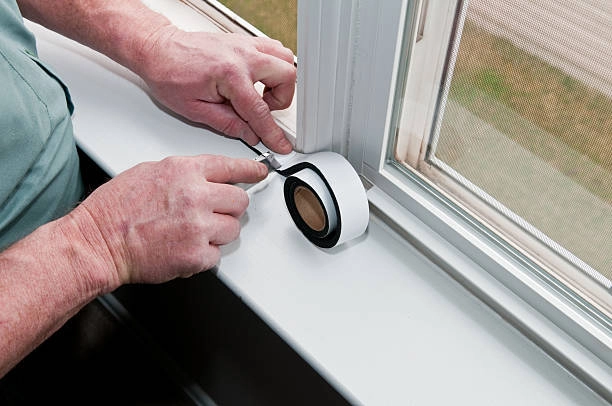
If you’ve ever dealt with stubborn leaks near windows, had a hard time fixing RV roof seams, or wanted a sturdy, bendy way to join metal or glass, butyl tape is probably what you need. This tacky, rubber-like stuff provides air-tight, water-tight, and durable seals for jobs from fixing houses to big construction work. And no, it’s not merely some ordinary sticky tape—it’s built for lasting power, bendiness, and everyday weather problems.
Understanding Butyl Tape
What Is Butyl Tape Made Of
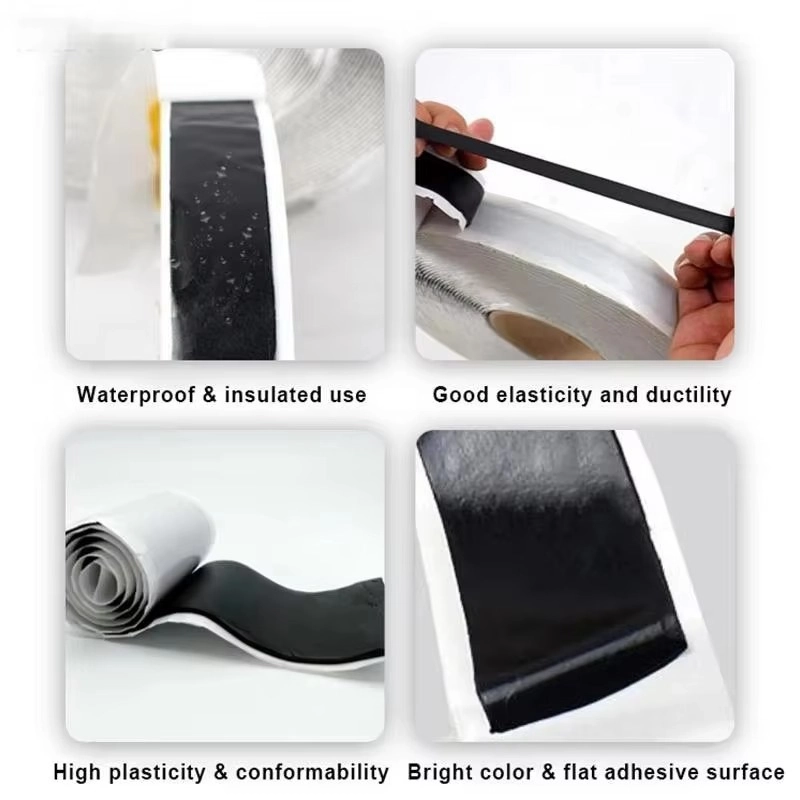
Butyl tape consists of man-made rubber famous for its good sealing features. This rubber—namely butyl rubber—stands up to water, air, and lots of chemicals. So, it becomes a prime option for places facing water or shifts in temperature.
Normally, it arrives in rolls or ready-cut pieces. You can spot it in assorted widths and depths based on the task. Unlike usual waterproof duct tape, which usually depends on polyethylene backing, butyl tape stresses lasting sealing and bendiness.
Key Characteristics of Butyl Tape
- Firm sticking to stuff like metal, plastic, wood, and glass.
- Keeps bendy for many years without getting stiff or splitting.
- Gives a durable waterproof seal that won’t come loose with changes in seasons.
These traits turn butyl tape into a main choice when silicone or acrylic sealants simply fall short.
Different Types of Butyl Tape
Single-Sided vs. Double-Sided Butyl Tape
Single sided butyl tape sticks only on one face. And it gets used a lot for covering surfaces—things like padding HVAC ducts or warming window frames. On the other hand, double sided butyl tape sticks on both faces. Thus, it gives sticking and sealing power between two faces. It’s especially handy for attaching panels or linking bumpy materials that need a firm join.
Variations Based on Application Needs
Butyl tape does not fit every job the same way. Certain kinds are made for various needs:
- High-temperature resistant tapes for automotive engines or industrial machinery.
- UV-resistant tapes for outdoor exposure—ideal for solar panel installations or skylight sealing.
- Reinforced butyl tapes with mesh or fiber layers for added strength in structural applications.
Common Applications of Butyl Tape
Home and DIY Projects
In houses, butyl tape does a silent yet vital job. It closes window borders to block drafts and water drips. It also pads door sides for improved warmth. And it aids in mending roof flashing too.
It’s also often placed near air conditioning units and ductwork to stop energy waste.
Automotive and Marine Uses
Car fix shops depend a lot on butyl tape to close windshields, headlights, taillights, and body panels. It keeps water out of delicate electronics and inside spaces.
In boat settings—boats, jet skis, RVs—keeping water out is key. Butyl tape does not break down in salt water. And it stays soft even in sunlight.
Industrial and Construction Applications
Butyl tape often seals HVAC ductwork links in business buildings. At build sites, it keeps metal panel seams dry and fills concrete growth spaces.
As a manufacturer specializing in industrial tapes, QKD Tape is committed to creating well-designed, high-strength adhesive products. Its high-strength butyl tapes meet the needs of industries such as automotive, packaging, construction, and electronics, providing a strong and reliable bond even in harsh installation environments.
Waterproofing Capabilities of Butyl Tape
How Butyl Tape Prevents Water Penetration
When you put it on, butyl tape creates an air-tight and water-tight close by shaping to any bumpy spots on the surface. Its own sealing way ensures no empty spots or openings remain—even on rough or bumpy faces.
That puts it ahead of old-style caulking where faces grow or shrink from heat or dampness.
Durability in Harsh Weather Conditions
Butyl tape does well where other closers flop. It works steadily in very hot or cold temps, damp air spots, and steady rain or snow. Plus, it fights UV rays and salt water. That makes it perfect for shore houses or boat jobs.
Unlike waterproof duct tape—which might lift or wear out after long outside time—butyl tape holds its shape over years without getting hard or breaking.
Tips for Applying Butyl Tape Correctly
Surface Preparation Before Application
Before you use any kind of butyl tape:
- Clean the surface well to get rid of dust, oil, or dirt.
- Be sure the spot is fully dry.
Missing these steps can greatly weaken the sticking power.
Steps to Apply Butyl Tape Effectively
- Check the needed length right.
- Cut with scissors or a knife—do not rip.
- Place the tape on one face and push it hard along the line.
- If using double sided butyl tape, take off the backing first. Then press the other face down.
A roller helps spread pressure evenly on the tape. This leads to the best sticking.
How to Remove Butyl Tape Without Damage
Recommended Tools for Safe Removal
Take a plastic scraper or putty knife to softly raise the tape’s edge. Metal tools could mark the surface. If the tape fights back:
- Put some warmth with a hair dryer to loosen the sticky part.
This turns the rubber softer. And it makes peeling easier without harming paint or covers.
Cleaning Residual Adhesive After Removal
After taking off the main piece:
- Use mineral spirits or a store-bought sticky remover to clean off bits left behind.
- End by wiping the surface with a soft cloth wet with water or isopropyl alcohol.
Being patient matters—hurrying this can harm the surface.
Choosing the Right Butyl Tape for Your Needs
Factors to Consider When Selecting a Product
Picking the right item means knowing your setting:
- What kind of surface are you joining? (Metal? Plastic? Glass?)
- Will it face sun?
- Does temp change worry you?
Double sided butyl tape fits best when both faces require closing and joining at once. For just surface jobs like roof flashing, single-sided kinds work better.
Benefits of Using Quality Brands
Dependable brands like QKD Tape give steady work on varied materials and weather setups. Their items have:
- Long shelf life
- Uniform thickness
- Steady adhesive strength over time
For high-quality, durable, and reliable butyl tapes for all your sealing and waterproofing needs, trust QKD Tape. Explore our wide selection of industrial-grade tapes designed to perform under the toughest conditions.
FAQs
Q: Is butyl tape better than silicone for waterproofing?
Yes, especially in applications needing flexibility and long-term sealing—like RV roofs or window edges.
Q: Can I paint over butyl tape?
Generally no—paint may not adhere well to the rubbery surface of butyl tape.
Q: How long does butyl tape last?
With proper installation, it can last over 10 years without losing its seal.
Q: Is there a temperature limit for using butyl tape?
Most variants work between -40°C to +90°C; high-temp versions go beyond that.
Q: Can I use double sided butyl tape on vertical surfaces?
Yes—but make sure it’s pressed firmly so gravity doesn’t pull it down before bonding completes.