
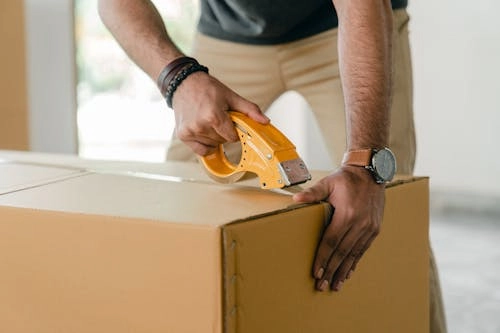
Choosing the right carton sealing tape isn’t just a matter of sticking something on a box—it directly impacts packaging integrity, operational efficiency, and customer satisfaction. If your packaging tape fails, it can lead to product damage, returns, or even reputational harm. The solution? Understanding how factors like environment, packaging surface, and sealing technology influence tape selection ensures your operation stays efficient and secure.
Key Factors That Influence Carton Sealing Tape Selection
Environmental Conditions and Their Impact on Tape Performance
Environmental exposure is a key thing to think about when picking packaging tapes. For instance, in cold storage or hot conditions, adhesives that react to temperature might lose their grip or get brittle. Acrylic adhesives usually do better in big temperature changes than hot melt adhesives.
Humidity and moisture worry people a lot. In wet places or during shipping across seas, tapes that resist water are a must to keep the seal strong. Acrylic foam tape gives good sticking power even in high humidity. So, it works well for those jobs.
UV exposure can break down some adhesives as time goes on. If packages sit outside or get direct sunlight, UV-resistant tapes help keep things working without color changes or adhesive failure.
The Nature of the Packaging Surface
Not all cardboard looks the same. Smooth surfaces seal easily. But rough or recycled cartons often need stronger adhesives. Coated or waxed surfaces, common for fresh foods, push back against sticking. You need high-tack tape to make it work.
Recycled cardboard has short fibers and low surface energy. This makes it tough for regular tapes to hold on well. Picking a tape with better adhesion is important here. It stops seal problems during travel.
Weight and Size of the Carton
The heavier or bigger the box, the tougher your sealing tape must be. Light boxes can use basic PSA (pressure-sensitive adhesive) tape. But boxes over 30 lbs need higher tensile strength.
Bigger cartons might call for wider tape, like 72mm instead of 48mm. Or you may need several strips over the top seam to keep the box firm. Reinforced packaging tapes, such as those with fiberglass filaments inside, add extra safety for large shipments.
Overview of Common Carton Sealing Tape Technologies
Pressure-Sensitive Adhesive (PSA) Tapes
This is the go-to technology in packaging. PSA tapes come in hot melt, rubber-based, and acrylic types. They are easy to use. They stick fast and hold reliably on various surfaces.
Hot melt tapes give great holding power for everyday shipping boxes. Acrylics deal with temperature shifts better. They also have a longer shelf life. Though, they might take more time to bond at first.
PSA tapes fit both hand-sealing and machine systems. This makes them handy for warehouses big and small.
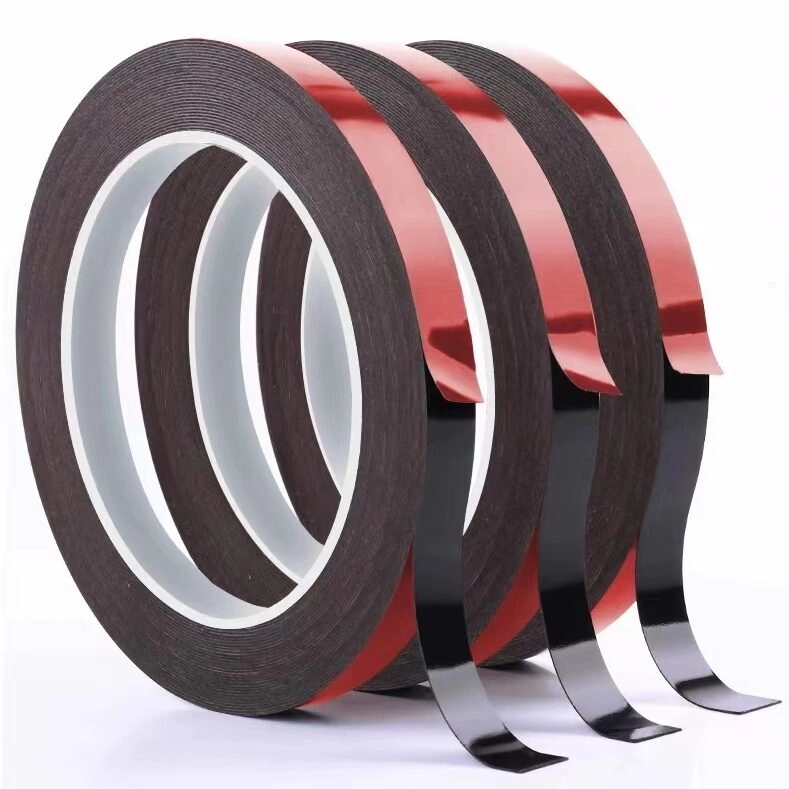
Acrylic Foam Tapes in Packaging Applications
Acrylic foam tape isn’t only for cars or gadgets. Its padding and shake-reducing features make it good for special packaging too. This tape shines in wild temperature ranges and for long storage.
It helps a lot where packages face constant bumps or shakes, like machine parts or delicate electronics. That’s because of its ability to soak up shocks.
Water-Activated Tapes (WAT)
Water-activated tapes, also called gummed paper tapes, make a lasting bond with the carton once you wet them. Their tamper-evident quality suits e-commerce and valuable items well.
WATs need a special dispenser to wet the adhesive layer. But they pay off with top strength and green benefits. Versions with fibers inside are popular in factory shipping.
Matching Tape Types to Packaging Operations
Manual vs. Automated Case Sealing Systems
In hand operations, simple use counts a lot. Tapes with steady pull-off force cut down on worker tiredness. They also boost output. Uneven putting on can cause weak seals or folds that hurt box safety.
Automated systems require tape rolls with even thickness and glue spread. Any differences lead to jams and more stop time. Choosing machine-grade tapes that match your gear is key to keeping work flowing.
QKD Tape offers strong industrial packaging tapes made just for fast automated setups. This helps companies cut repair problems and improve sealing precision.
Industry-Specific Requirements for Tape Performance
Each field has its own needs. Food packaging often wants FDA-compliant adhesives that won’t spoil the contents. E-commerce firms look for tamper-evident options or even tapes with brand prints that help with marketing.
Factory areas with heavy stuff or odd-shaped boxes may require strong sealing like double-coated tapes or ones with filaments for extra hold.
Cost Efficiency and Long-Term Performance Considerations
Balancing Initial Cost with Total Cost of Ownership (TCO)
Cheap tapes look good at first. But if they fail in shipping or storage, you face extra work costs, broken items, and maybe lost customers.
Top options like acrylic foam tape cost more per roll. Yet they last longer on shelves and cut down on waste from bad seals. In the end, they make operations more dependable and save cash in other ways.
| Tape Type | Initial Cost | Shelf Life | Adhesion Range | Ideal Use Case |
| Natural Rubber | Low | 1–2 years | Moderate | General shipping |
| Acrylic | Moderate | 2–3 years | Broad | Temperature/humidity variation |
| Hot Melt | Moderate | >3 years | Strong | High-security / eco-conscious |
| Acrylic Foam Tape | High | 3+ years | Very Strong | Long-term / specialty packaging |
Storage Life and Shelf Stability of Different Tapes
Some glues weaken if kept in hot or damp warehouses. For buying teams, knowing how long tapes last helps avoid buying too much or using old stuff that hurts sealing.
Good stock turnover and keeping tapes out of sunlight and wild temperatures are vital to hold their strength over time.
Enhancing Packaging Security Through Tape Choice
Tamper-Evident Features in Modern Tapes
Tapes that leave marks or break patterns when pulled off stop unwanted opening. These traits are super helpful in store shipping where package safety matters most.
Color-changing inks or custom prints not only block tampering but also build brand feel. They serve two purposes.
Reinforced Sealing Options for High-Risk Shipments
Tapes with filaments add strength against rips and theft. Their layered build fights cuts and tears in rough handling on the road.
For firms sending electronics or pricey goods overseas, these strong choices bring calm against loss or harm.
Optimizing Operational Efficiency with the Right Tape Strategy
Streamlining Warehouse Workflows Through Tape Standardization
Sticking to one or two tape types makes training workers easier. It cuts inventory mess and speeds up order filling.
Printed tapes skip extra label steps. They save time and improve sight checks on outgoing packages.
QKD Tape aids big operations with custom widths and brand prints made for each client’s needs in automotive, packaging, electronics, and construction fields.
Reducing Downtime in Automated Systems via Proper Tape Selection
If your auto system jams from uneven tape quality, you lose more than time. You risk missing deadlines and unhappy customers.
Tapes with even roll wind and low-left glue keep machines smooth. They also speed up cleaning and fixes between work periods.
Evaluating Suppliers for Quality Assurance and Support Services
Criteria for Selecting Reliable Tape Vendors
Besides price per roll, see if suppliers give tech sheets, performance tests in different settings, and real examples. These prove if their stuff fits your work.
It pays to ask if they do on-site checks or send samples for trying in your setup before buying lots.
Importance of Customization Capabilities in Supplier Offerings
Every job has its odd parts. Whether it’s unusual box sizes or weather issues, custom tape sizes or glue mixes can change everything.
QKD Tape focuses on making special adhesive fixes that match unique field needs without losing quality or slowing delivery.
FAQs
Q1: What is the difference between hot melt and acrylic tape?
Hot melt bonds quickly but is sensitive to cold; acrylic takes longer to bond but handles temperature extremes better.
Q2: Can I use regular PSA tape on recycled boxes?
Not always—recycled materials need stronger adhesives due to reduced surface energy.
Q3: Is water-activated tape eco-friendly?
Yes, it’s usually made of paper with starch-based adhesive and is recyclable with cardboard.
Q4: How do I store sealing tapes properly?
Keep them in a cool, dry place away from direct sunlight to maintain adhesive strength.
Q5: When should I consider using reinforced tapes?
Use them for heavy loads, high-value items, or shipments exposed to rough transit conditions.