
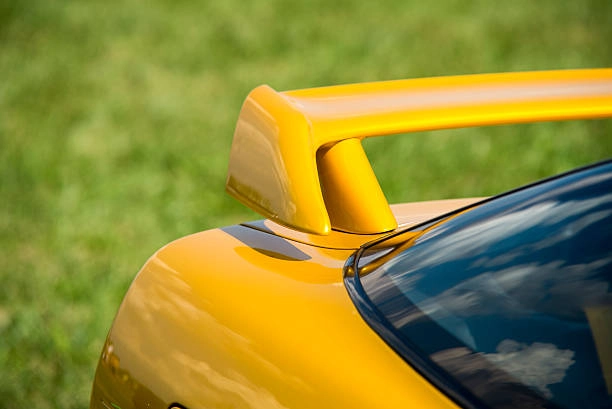
Putting a car spoiler on with adhesive tape may look simple. Yet picking the wrong product often leads to edge lifting. Water can get in. Paint suffers damage. The full bond may fail. A spoiler faces sunlight daily. It meets rain often. Temperature changes hit hard. Vibration shakes it. Airflow pushes against it. Washing happens many times. So ordinary household double-sided tape is rarely suitable.
Most lightweight decorative spoilers work with adhesive mounting. High performance double-sided acrylic foam tape usually serves as the best choice here.
What Type of Double-Sided Tape Is Best for a Car Spoiler?
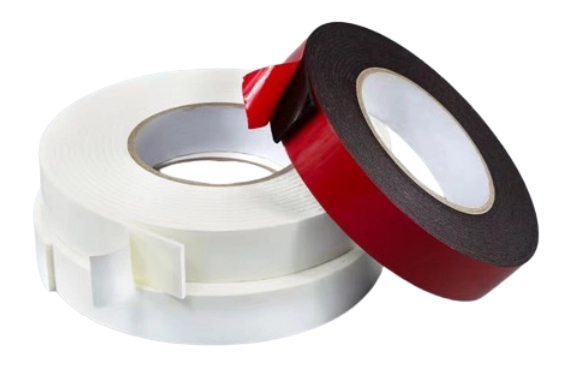
Double-sided acrylic foam tape is the preferred option for many automotive exterior applications. Its viscoelastic foam core helps distribute stress across the bonding area and compensates for small differences between the spoiler base and the vehicle surface.
It is commonly used for automotive trim, emblems, moldings, body side parts, and lightweight spoilers because it offers:
- Strong peel and shear adhesion
- Resistance to vibration and minor impact
- Good weather, moisture, and UV resistance
- Conformability to curved or slightly uneven surfaces
- A cleaner appearance than exposed fasteners
PE foam tape may work for less demanding applications. Ordinary tissue tape is generally unsuitable. It is too thin for long term exterior exposure.
Key Requirements for Car Spoiler Mounting Tape
A suitable car spoiler tape needs more than high initial tack.
Peel and Shear Strength
Peel strength resists edge lifting. Shear strength helps keep the spoiler in place under continuous load. Both matter. Spoilers face vibration daily. Airflow pushes on them. Thermal movement affects them too.
Weather, Temperature, and Vibration Resistance
Exterior tape must tolerate sunlight. It handles rain. Winter cold tests it. High surface temperatures challenge it. Vibration never stops. Different materials expand and contract repeatedly. Acrylic foam distributes these stresses across the bond line.
Conformability
The spoiler base and trunk surface may not be perfectly flat. A suitable foam thickness can fill small gaps and improve contact, but tape should not be used to compensate for a poorly fitting part.
How to Choose Tape for Different Spoiler Materials
The right tape depends on both the spoiler material and the vehicle surface.
ABS plastic spoilers are usually bonded to painted metal. The tape must adhere well to the plastic while remaining compatible with automotive paint.
Stiff carbon fiber parts can create spring back on curved panels, while fiberglass parts may have small surface irregularities. Both require a flat, clean bonding area and strong shear performance.
Rubber lip spoilers are flexible, but elastic recovery can pull against the tape, especially at the ends. Good conformability and resistance to edge lifting are essential.
PU spoilers can vary in surface energy and coating condition. Testing is recommended before mass production.
No adhesive works equally well on every paint. It does not suit every plastic or coating. Samples should be tested under expected temperature. Moisture levels matter. Load conditions must match real use.
What Tape Thickness Is Best for a Car Spoiler?
There is no single best thickness for every spoiler.
Thin tape is suitable when both surfaces are smooth, flat, and accurately matched. Medium thickness acrylic foam tape is often selected for decorative spoilers because it balances conformability, appearance, and stress absorption.
Thicker foam tape can help where small gaps or curvature differences exist. However, excessive thickness may increase movement, create a visible bond line, or reduce stability.
Automotive exterior attachment tapes are often available in thicknesses of approximately 0.5 mm to 2.0 mm. The final choice should be based on spoiler geometry. Surface flatness counts. Material stiffness plays a role. Operating temperature affects it. Application testing guides the decision.
How to Install a Car Spoiler with Double-Sided Tape
Correct installation is as important as tape selection.
First test fit the spoiler. Confirm that it sits naturally on the vehicle. Avoid excessive force. Mark the final position with removable masking tape.
Clean both bonding surfaces thoroughly. Remove dust. Get rid of oil. Clear wax. Take off polishing compounds. Eliminate ceramic coating residue. Dry any moisture. Clear mold release agents. Use a cleaner compatible with the vehicle paint. The cleaner must suit the spoiler material. Then allow the surfaces to dry.
Apply the tape to the spoiler without stretching it. Use continuous strips along the main bonding areas and pay special attention to edges and corners. Press firmly to create full contact.
Partially remove or fold back the release liner so the spoiler can be positioned accurately. Once aligned, press the spoiler onto the vehicle with uniform pressure across the full bond line.
Avoid washing the vehicle or driving at high speed immediately after installation. Pressure sensitive adhesives build strength over time, and installation should remain within the supplier’s recommended temperature range.
Why Does Car Spoiler Tape Fail?
Common causes include:
- Using indoor or general purpose tape
- Applying tape over wax, oil, dust, or ceramic coating
- Installing on a wet or cold surface
- Choosing tape that is too thin for the joint gap
- Applying insufficient pressure
- Stretching the tape during installation
- Ignoring curved surface spring back
- Poor adhesion to low surface energy plastic
- Washing or driving too soon after installation
- Using tape alone where mechanical fastening is required
Edge lifting is often the first visible sign of failure. Once water and dirt enter the bond line, the problem can spread. Proper surface preparation, tape thickness, and joint design are therefore critical.
Can a Car Spoiler Be Installed with Tape Only?
Some lightweight decorative spoilers are specifically designed for adhesive mounting. In these cases, the bonding area is broad, the part is relatively light, and aerodynamic load is limited.
Large wings, adjustable spoilers, heavy composite parts, and components designed to generate significant downforce should not be assumed safe for tape only installation. Always follow the spoiler manufacturer’s instructions. Where bolts, clips, brackets, or other fasteners are specified, they should be used.
Tape may also be combined with mechanical fasteners to reduce vibration, seal gaps, and improve appearance, but it should not replace required structural attachment.
Custom Car Spoiler Tape from QKD Tape
Automotive parts manufacturers, trim suppliers, distributors, and aftermarket brands often need more than a standard retail roll. QKD Tape can support custom double-sided tape solutions for car spoilers and other exterior automotive trim applications.
Customization options may include:
- Tape width and thickness
- Foam and adhesive selection
- Black, gray, or transparent appearance
- Compatibility with paint, ABS, PU, metal, and composites
- Roll, spool, strip, or die cut formats
- Custom release liners and pull tabs
- OEM labeling and packaging
- Sample development and testing
For an accurate recommendation provide the spoiler material. Share the bonding surface. List tape dimensions. Note operating temperature. Describe installation method. Mention expected annual volume. State preferred delivery format.
Conclusion
The best double-sided tape for a car spoiler is usually a high performance automotive acrylic foam tape. It is selected for the exact spoiler material. The paint system must match. Joint design matters. Operating environment counts. Strong adhesion alone is not enough. Thickness plays a part. Surface preparation is key. Pressure affects results. Temperature influences performance. Dwell time is important. Spoiler geometry makes a difference. All these factors affect long term performance.
For lightweight decorative spoilers the right automotive mounting tape can create a clean durable bond. No visible fasteners are needed. For large or structural spoilers mechanical fastening may still be required.
Need a custom mounting tape for car spoilers or exterior automotive trim?
Send QKD Tape your spoiler material, vehicle surface, tape thickness, operating temperature and annual order quantity. Our team can recommend an acrylic foam tape and provide samples for application testing.
Frequently Asked Questions
Q: What is the best double-sided tape for a car spoiler?
Automotive-grade acrylic foam tape is generally the best option for lightweight decorative spoilers. It offers strong adhesion, weather resistance, vibration resistance, and good conformability to curved surfaces.
Q: Can I install a car spoiler using only double-sided tape?
Some lightweight spoilers are designed for tape-only installation. Large spoilers are different. Heavy ones need extra care. Adjustable models often require more. High-downforce spoilers may need bolts. Other mechanical fasteners can help. Always follow the spoiler manufacturer’s instructions.
Q: How thick should car spoiler tape be?
The ideal thickness depends on the gap. Surface shape plays a role. Spoiler design affects the choice. Acrylic foam tapes between approximately 0.5 mm and 2.0 mm are commonly considered. Application testing is recommended before final selection.