
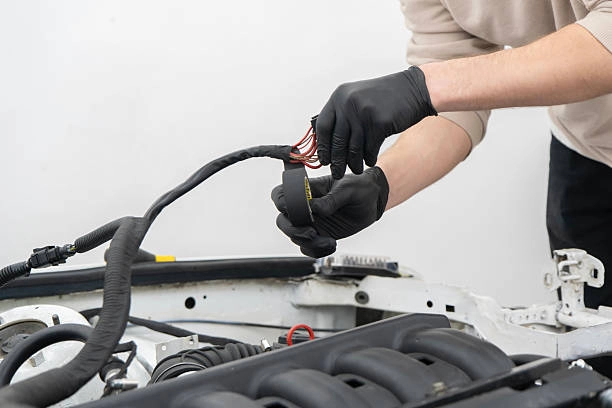
Modern vehicles contain harnesses in tight and awkward spaces. They pass through dashboards, doors, seats, trunks, engine bays, and body cavities. Each route has its own constraints. The harness must remain organized during assembly and remain protected throughout the vehicle’s service life.
Industrial adhesive tape is one practical part of this protection system. It does not replace clips, conduits, sleeves, or edge guards. It supports them.
Why Wire Harness Protection Matters in Automotive Manufacturing
Automotive wire harness protection refers to the materials and methods used to secure, organize, and protect bundled electrical wires. The purpose is straightforward. Keep wires in the intended route and reduce damage caused by handling, vibration, abrasion, and contact with nearby components.
Tape is commonly used to wrap wire bundles and branch points. Other protection methods include corrugated tubing, braided sleeves, clips, and protective channels. These materials often work together on one harness.
Key Functions of Industrial Adhesive Tape in Wire Harnesses
Tape has a basic job: hold the harness together. In practice, it also influences routing, handling, and the finish of the final assembly.
Bundling and Cable Organization
Tape keeps multiple wires grouped into a manageable bundle. This helps operators route the harness through the vehicle and install it into clips or brackets without loose wires spreading apart.
Abrasion and Surface Protection
A wrapped harness reduces direct contact between individual wires and nearby parts. That may help limit rubbing against metal brackets, plastic panels, or other harnesses.
The required level of abrasion protection depends on the application.
Noise and Vibration Management
Tape can limit wire movement and create a more controlled contact surface. In door assemblies, for instance, a wrapped branch may be less likely to move against the panel. Tape alone will not solve a poor routing design. Proper fastening still matters.
Assembly and Identification Support
Tape can help with temporary positioning during harness assembly. It can also support visual identification when colored or printed formats are used.
Common Types of Tape Used for Automotive Wire Harness Protection
Different tape backings behave differently during wrapping. Selection should start with the application rather than a preferred material.
PVC Electrical Tape
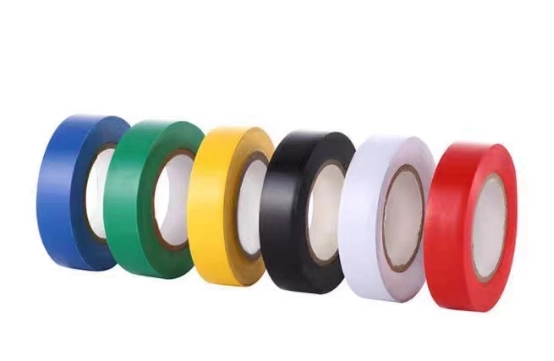
PVC tape is often used where flexibility and conformability are important. It can follow bends and irregular bundle shapes without requiring special equipment.
Backing thickness, elongation, adhesive behavior, and the intended environment should all be considered. A tape that stretches too easily can create inconsistent wrapping. A product that feels too stiff may lift around tight curves.
PET Tape
PET-backed tape is commonly considered where a more stable and organized wrap is needed. It can provide a firmer profile around straight harness sections and controlled branch areas.
Its suitability still depends on the full tape construction. Thickness matters. Adhesive selection matters. Application trials should include connectors, sharp bends, and branch points. A flat-panel sample rarely tells the full story.
Fabric or Fleece Harness Tape
Fabric and fleece tapes are often evaluated when surface contact, vibration, or noise-management concerns are relevant. Their surface is different from smooth film tapes, which can matter where the harness touches interior trim.
A dashboard harness is a familiar case. The wrap needs to remain workable during installation while avoiding unnecessary movement behind the panel. Actual vehicle location should guide the choice.
Other Customized Tape Constructions
Standard tape formats do not always match a production process. Some programs need a specific width, roll length, color, adhesive system, or packaging format.
Machine wrapping can create further requirements. Roll dimensions and unwind consistency may affect output more than expected. OEM and ODM customization is useful when a small format change improves line efficiency.
How to Choose the Right Wire Harness Tape
The phrase “automotive tape” is too broad for a meaningful specification. Better results come from defining the actual application before comparing products.
Consider the Installation Location
The passenger cabin, door area, engine compartment, trunk, and underbody create different working conditions. Temperature, moisture, vibration, and access for service can all affect tape selection.
Evaluate the Harness Design
Bundle diameter, wire insulation, branch frequency, bend radius, and wrapping method affect how the tape performs. A narrow tape may suit small branches but require too many passes on a larger bundle.
Installation sequence also matters. If connectors are fitted after wrapping, the tape should not obstruct access. If the harness is machine-wrapped, stable unwind behavior becomes a key requirement.
Review Required Performance Criteria
Evaluation may include adhesion, tensile strength, elongation, abrasion resistance, unwind force, and residue after removal. The relevant criteria should come from the application specification.
Compatibility with cable insulation and nearby plastics deserves attention. A tape may adhere well on one surface and behave differently on another. Testing with actual components is more useful than relying only on a generic data sheet.
Consider Production Efficiency
Tape costs are not limited to the purchase price. Roll length, width, packaging, storage conditions, and batch consistency all affect total use on the line.
Work With a Manufacturer on Custom Requirements
A tape manufacturer can help match tape construction to the harness design and wrapping process. Custom widths, colors, roll sizes, and packaging may be available for OEM production.
Useful technical discussions start with clear information. Share the installation location, harness drawing, application method, expected volume, and required validation tests.
Common Wire Harness Taping Problems and Prevention Tips
Loose wrapping often comes from inconsistent tension or poor overlap control. Clear work instructions help. Tape width and stretch characteristics must also suit the process.
Adhesive residue can result from contamination, unsuitable material compatibility, or an application outside the intended conditions. Testing on the actual cable insulation and vehicle plastics is essential.
Uneven bundles can make routing difficult. In some cases, changing tape width or branch sequence solves the issue. Difficult unwinding is another common complaint. Production samples are worth requesting before approving a large purchase order.
Why Work With an Industrial Adhesive Tape Manufacturer?
A manufacturer can support more than basic product supply. Sampling, product matching, converting, roll-size adjustment, color options, and packaging may all be part of the discussion.
Industrial adhesive tape supports wire harness bundling, protection, handling, and assembly control. The correct tape depends on the route, the harness structure, the application method, and the required validation.
QKD Tape provides industrial adhesive tapes and OEM/ODM solutions for B2B customers with application-specific requirements. For automotive buyers, that support reduces the gap between a tape that appears suitable and one that works consistently on the line.
Contact QKD Tape to discuss automotive wire harness tape samples, custom specifications, and bulk supply requirements.
FAQ
Q: What tape is commonly used for automotive wire harnesses?
PVC, PET, fabric, and fleece-backed tapes are commonly used. The appropriate option depends on the harness location, required flexibility, abrasion exposure, and production method.
Q: How do I choose between PVC and PET wire harness tape?
PVC is often selected for flexible wrapping around irregular shapes. PET may suit applications that need a more stable wrap. Compare both materials using the actual harness design and validation requirements.
Q: Can wire harness tape be customized for OEM production?
Yes. Industrial tape manufacturers may offer custom widths, roll lengths, colors, packaging, or converting formats. Requirements should be reviewed against the assembly process and expected order volume.
Q: What information should I provide when requesting a wire harness tape sample?
Provide the installation location, insulation type, bundle diameter, wrapping method, preferred width, expected service conditions, and required tests. Photos or drawings of the harness area are also useful.