
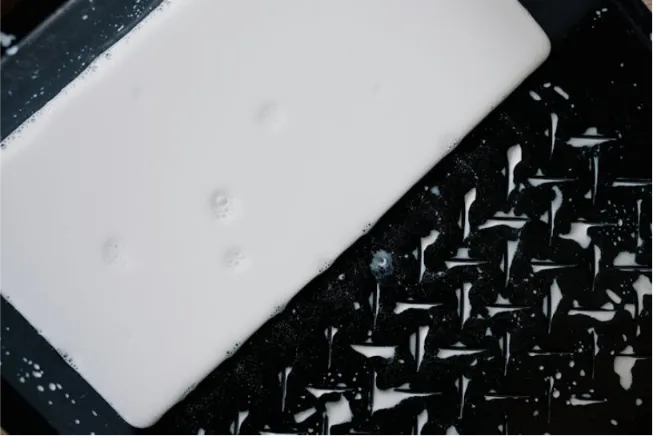
Paint bleeding is super annoying in any painting job—whether you’re fixing up cars, sprucing up your house, or coating stuff in a factory. Those little drips that sneak under the masking edge can mess up a smooth surface, leading to bumpy lines, more sanding, and pricey fixes.
The good part? You can stop most paint bleeding issues by picking the right stuff and putting it on correctly. One of the best helpers is masking paper tape—a basic but smartly made item that makes neat paint lines and guards fragile areas.
In this guide, we’ll look at why paint bleeding happens, how masking paper tape stops it, and easy tricks to get perfect outcomes every time.
What Causes Paint Bleeding?
Before fixing the problem, you need to know what starts it. The trouble comes when paint slips under the masking edge instead of staying where it should.
Common reasons include:
- Weak sticky stuff – Bad grip doesn’t seal edges well, so paint leaks underneath. But too strong sticky can hurt the surface or leave goo behind after pulling it off.
- Dirty or bumpy surfaces – Dust, grease, or rough spots make tiny openings where paint can sneak in.
- Wrong tape pick – Using everyday or PVC tapes for hot or textured jobs leads to bad results.
- Bad putting on method – Pulling tape too tight, laying it slack, or not pushing down the edges all help bleeding happen.
In pro spots, like car refinishing or factory coating, even a tiny slip up can mean hours of extra work. Spotting these reasons is the first move to steady, top notch finishes.
Why Masking Paper Tape Is Ideal for Preventing Paint Bleeding
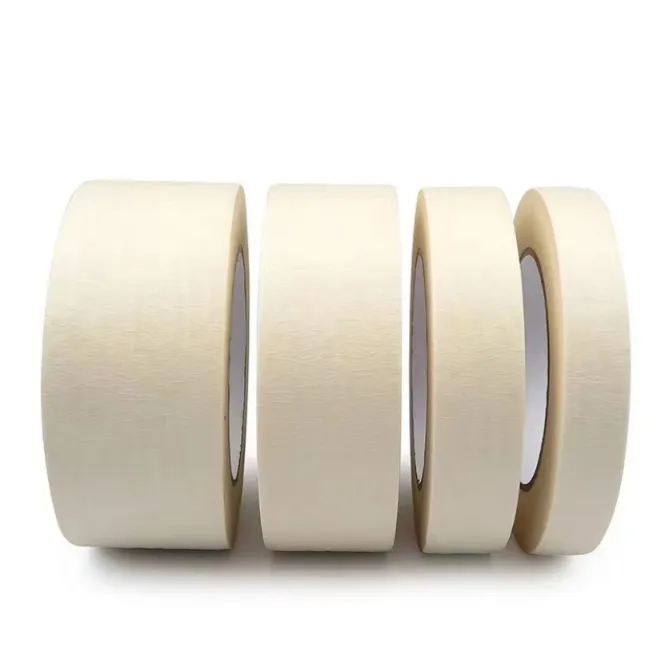
When you need exact work, masking paper tape gives a solid and trusty shield. Unlike plastic or PVC tapes, masking paper tape mixes natural rubber sticky with a bendy paper base. It offers just the right mix of grip and easy pull off.
Here’s why it works so great:
- Strong but fair grip: The natural rubber sticky holds tight yet lets you remove it clean after painting.
- Great heat handling: Top kinds can take 60°C to 150°C, perfect for car baking and factory paint drying.
- Clean pull off, no mess: Even after hot exposure, masking paper tape comes off smooth without harming the surface.
- Bendy and exact: It follows curved edges, trims, and tricky spots where steady sealing matters.
For instance, in car painting, workers use masking paper tape to mark window trims and body lines where sharpness counts. In electronics making, it shields delicate parts during spray or powder coating. These jobs need a tape that stands up to heat, push, and time—all spots where pro grade masking paper tape shines.
Makers like QKD Tape work hard on sticky mix and base quality to keep steady performance in all sorts of factory settings.
Step by Step: How to Apply Masking Paper Tape for Best Results
Having the right tape is just part of it—how you stick it on decides the end look. Follow these steps to cut down bleeding risks and get crisp, pro edges.
1.Clean the Surface Thoroughly
Grab a lint free cloth or degreaser to wipe away dust, oil, or wetness. Even a tiny bit of dirt can wreck grip and make gaps for paint to leak.
2.Choose the Right Tape Type
Pick tape by heat resistance, surface stuff, and sticky power. For example, a 150°C high heat kind is great for car paint booths. And a 60°C version fits indoor painting or low heat spots.
3.Apply Smoothly Along the Paint Line
Lay the tape easy and don’t pull it. Use steady push with a clean roller or your finger to lock the sticky. Pulling causes pull back that might lift the tape while drying.
4.Seal the Edges Properly
Run your thumb, roller, or a plastic tool along the tape’s edge to push out air bubbles. And make a perfect seal. This step is key for sharp, clean paint lines.
5.Remove at the Right Time
After painting, pull off the tape slow at a 45° angle while the paint is still a bit sticky. Waiting till it’s fully dry can cause cracks or paint lift.
In fields like car coating or appliance making, these tricks are normal to keep speed and finish quality.
Common Mistakes to Avoid
Even with top stuff, bad moves can lead to lousy outcomes. Stay away from these usual slips:
- Using old or cheap tape with dried sticky.
- Sticking tape on dirty or uneven surfaces.
- Leaving tape on under sun or heat for too long.
- Reusing masking tape between jobs or piling too many layers.
Dodging these keeps good grip and clean pull off. And it saves production time.
Pro tip: Always keep masking paper tapes in a cool, dry spot away from sun. Good storage holds sticky power and makes it last longer.
Professional Tips for Perfect Edges
Seasoned painters and workers often use a few secret tricks to get that “factory fresh” look:
- Use double masking for multi color jobs—first put fine line tape, then cover with masking paper tape for bigger guard.
- Match tape to paint type: solvent paints need tougher sticky, while water paints go better with medium grip tapes.
- Match tape type to paint chemistry: solvent based paints need stronger adhesives, while water based paints are better paired with medium tack tapes.
- Always test on a small spot first, especially for soft or coated surfaces.
- Keep masking tapes flat in their original box to stop edge harm or dust buildup.
These pro habits help keep things steady and exact in every job.
Conclusion
Stopping paint bleeding isn’t only about know how—it’s about getting ready, using the right stuff, and paying close attention. A well made masking paper tape with fair grip, heat steadiness, and clean pull off can turn a okay finish into a perfect one.
Whether you’re painting cars, coating electronics, or finishing building surfaces, picking a trusty tape buddy matters. QKD Tape offers high quality masking paper tapes with customizable thickness (120–150μm), color, width, and temperature resistance—made for the automotive, electronics, construction, and packaging industries.
From fast production lines to exact finishing, QKD Tape gives masking fixes trusted by pros around the world—making sure every paint job ends with a clean, sharp edge.
FAQ
Q: What causes paint bleeding under masking tape?
It happens from weak sticky stuff, dirty or bumpy surfaces, wrong tape choice, or bad application—like pulling tape too tight or not pushing edges down.
Q: Why is masking paper tape better than plastic or PVC tape?
It has natural rubber sticky for strong but fair grip, handles heat up to 150°C, pulls off clean with no mess, and bends easy for curved or tricky spots.
Q: How do I seal the tape edges to stop bleeding?
Run your thumb, a roller, or plastic tool along the edge to push out air bubbles and make a tight seal. This gives sharp, clean lines.
Q: What’s a pro tip for multi-color paint jobs?
Use double masking: first apply fine-line tape for the edge, then cover with masking paper tape for bigger protection.