
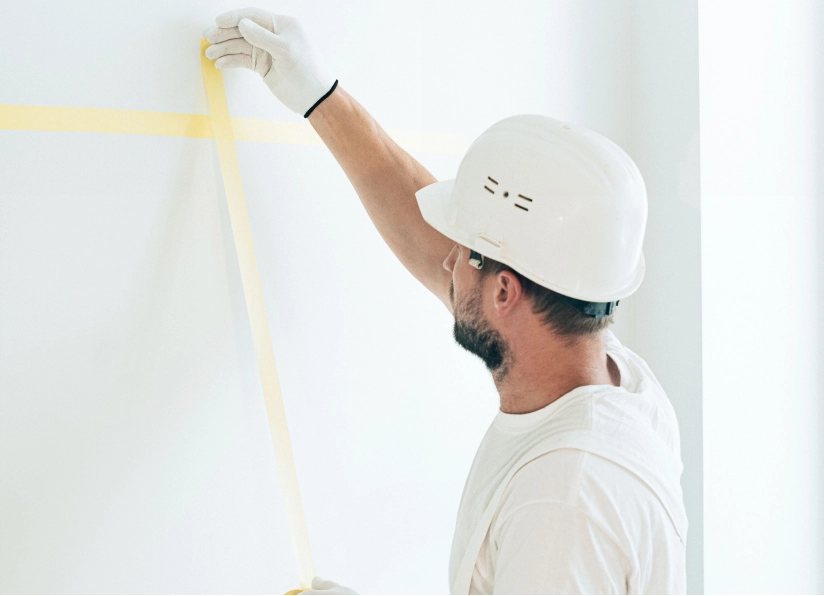
In automotive painting, furniture refinishing, architectural decoration, and industrial surface treatment, masking failure rarely happens because of the paint. Instead, it usually occurs when you pick the wrong tape. Many common problems exist. These include paint bleed, edge lifting, and adhesive residue. You might also face paper tearing, temperature failure, and overspray contamination. These frustrating issues can quickly turn a good project into an expensive rework. The tape acts as a vital shield. It stands between clean precision and a total mess. If this shield breaks down, the whole finish gets ruined.
What Is Masking Paper Tape Used For?
Masking paper tape is a highly adaptable tool. Its uses go far beyond basic house painting. In automotive workshops, mechanics use it to create sharp lines between different paint colors. It also protects chrome trim during a fresh spray job. For architectural projects, workers rely on it to cover walls, doors, and window frames. This careful step ensures very clean visual transitions.
Beyond basic looks, it plays a vital part in furniture surface protection. It keeps pieces safe during daily assembly and shipping. In more specialized industries, companies use it for electronic component masking and electroplating masking. In these tough spots, the tape must survive harsh chemical baths. It also needs to handle high-heat areas. Furthermore, warehouse staff often pick it for securing lightweight goods. They also use it for quick, temporary labeling tasks.
Key Factors to Check Before Buying Masking Paper Tape
Picking the correct tape means looking closely at the actual roll. You must also check the detailed technical specifications. The daily performance of masking tape depends heavily on its chemical makeup. Its physical construction matters just as much.
- Adhesive type: Natural rubber serves as the normal standard. It provides high initial tack and steady reliability on many surfaces. Meanwhile, acrylic adhesives give much better UV resistance for outdoor tasks. On the other hand, silicone-based options remain reserved for extreme temperature settings.
- Clean removal performance: A tape shows its true value when you take it off. You must make sure it peels away cleanly. It should never leave sticky adhesive residue behind. It also must not pull up the material underneath. This detail is highly important on delicate wood or fresh primer.
- Temperature resistance: Standard tapes often fail at 60°C. Many industrial processes use hot baking ovens. These tough jobs need tapes rated for 120°C to 150°C. This high rating stops the adhesive from melting. It also prevents the paper from turning brittle and weak.
- Paper thickness and tensile strength: Thinner tapes measure around 120 μm. They bend much easier around tight curves. In contrast, thicker tapes reach 150 μm and above. These robust options supply better protection against rough mechanical rubbing. They also stop unwanted tearing when you remove them.
- Initial tack and holding power: Sometimes, the edges lift during the very first pass of a spray gun. If this happens, the tape becomes completely useless. A strong initial tack actively stops edge lifting. At the same time, solid holding power makes sure the tape stays firmly in place. It will hold strong even under the heavy weight of masking paper or plastic film.
- Surface compatibility: Adhesives do not always work well with every material. Metal, glass, wood, and plastic all have distinct traits. Electroplated parts also feature unique surface energies. These specific differences directly change how the masking paper tape bonds to the item.
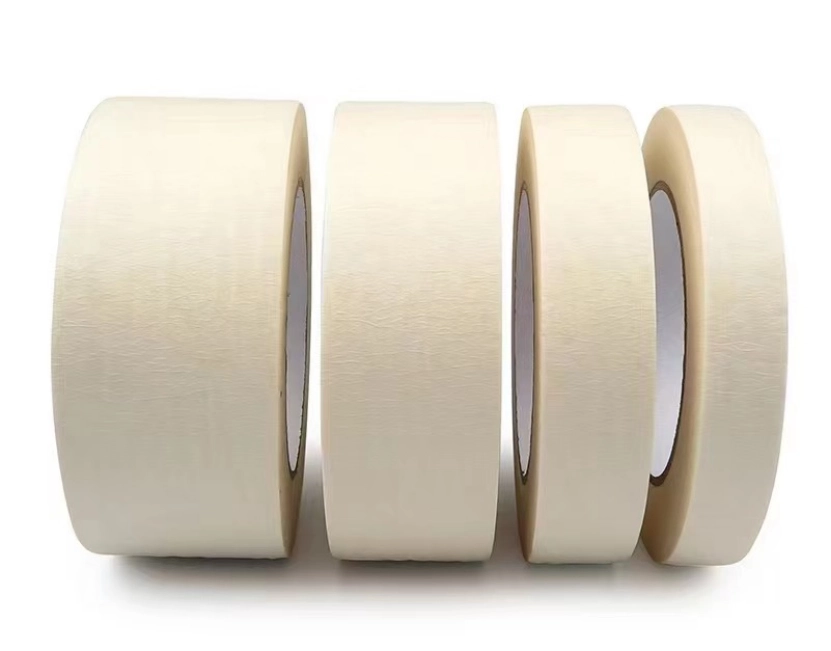
Automotive Painting: What Type of Masking Paper Tape Works Best?
Automotive masking paper tape brings much higher risks. This danger comes from strong solvents and intense high-heat curing cycles. For masking car windows, body edges, and chassis parts, the tape must provide a perfectly clean edge. Any solvent penetration will lead to paint bleeding, which is a nightmare on a custom job. In the spray booth, the tape must endure the baking temperature without the adhesive “baking” onto the clear coat.
Look for tapes specifically designed for automotive use that emphasize solvent resistance and high temperature stability. If the tape can’t handle the heat of a drying oven, you’ll spend more time scraping off residue than you did painting the vehicle.
Industrial and Electronics Masking: Different Requirements
The world of electronics and industrial electroplating has strict rules. Here, standard hardware store masking tape will fail right away. Electronic component masking needs very specific tapes. These tapes must allow for exact, precision placement. They also must leave absolutely zero ionic contamination behind.
During electroplating, the tape works as a tough chemical barrier. It needs to resist the harsh acids and strong bases found inside plating tanks. These demanding jobs focus deeply on attachment stability. They also value tight edge sealing above all other features. A tiny lift of just one millimeter can cause disaster during an electroplating process. It can easily ruin an entire batch of expensive, high-value parts.
Common Problems Caused by Choosing the Wrong Masking Tape
If you ignore the product specs, these bad problems will eventually appear:
- Paint bleeding under the tape
- Adhesive residue after removal
- Tape lifting during spraying
- Paper tearing during removal
- Poor adhesion on rough surfaces
- Failure after heating or baking
- Overspray contamination
Masking Paper Tape Selection Checklist for Buyers
| Purchase Check Item | Why It Matters |
| Adhesive type | Determines initial tack, residue free removal, and heat performance. |
| Thickness | Affects durability, conformability to curves, and overall shielding. |
| Temperature rating | Critical for deciding if it can survive paint baking or industrial heat. |
| Tensile strength | Ensures the tape doesn’t snap into pieces when you try to pull it off. |
| Surface type | Prevents edge lifting on plastics or damage to sensitive coatings. |
| OEM/ODM options | Essential for matching specific widths, lengths, or custom branding. |
When to Choose OEM/ODM Masking Paper Tape
Standard rolls work fine for basic, general tasks. However, large industrial-scale operations often need something much more specific. Sometimes, a project demands a non-standard width to fit a unique molding. Other times, it needs a special adhesive chemistry to bond with a proprietary plastic. In these complex cases, you need a custom OEM/ODM solution. Smart customization ensures the tape becomes a perfect match for the technical process. It stops you from making a weak compromise.
Contact QKD Tape today to discuss your masking requirements and get a customized tape solution for your next project.
FAQ
Q: Can I use regular masking tape for automotive baking?
Generally, you should not do this. Regular tape usually has a very low temperature limit. If you use it inside a hot bake oven, the adhesive will likely melt. It will then transfer directly onto the car surface. This mess becomes extremely hard to remove later.
Q: What causes tape to leave residue?
Sticky residue usually happens for a few clear reasons. The adhesive might break down chemically because of intense heat. Harsh UV exposure can also cause this exact failure. Furthermore, leaving the tape on the surface past its safe “clean removal” window will create this problem.
Q: Does thickness matter for curves?
Yes, it matters a lot. Thinner masking paper tape normally feels much more flexible. It has a soft, “crepe-like” texture. This helpful trait allows it to follow the tight contours of a wheel arch. It can also wrap around a curved furniture leg without creasing or lifting up.
Q: Is masking tape and painter’s tape the same?
These two tapes are closely related. However, painter’s tape usually features a design for longer removal times. It also uses a lower tack to protect delicate interior walls. In contrast, industrial masking tape focuses on different goals. It often prioritizes a much higher tack and strong heat resistance.