
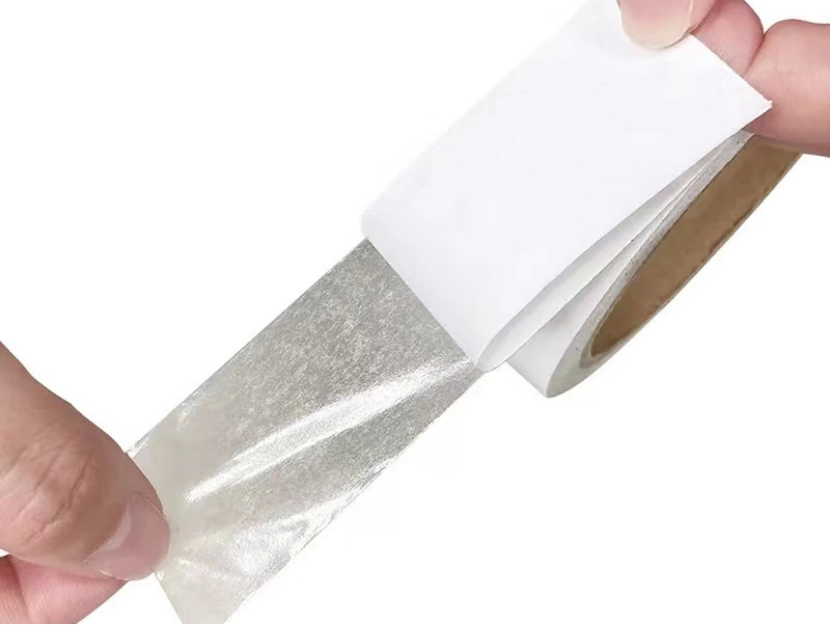
People expect double-sided tape to secure materials together tightly. However, it often fails in real applications. The causes are usually quite clear. Most problems stem from surface states, outside weather, or wrong application steps. In factory and engineering settings, a tiny mistake in setup matters. It can easily change a firm hold into a poor one.
What Makes Double-Sided Tape Lose Adhesion?
Adhesion loss frequently occurs when a substrate has low surface energy. The adhesive simply cannot spread out to create a proper bond. Plastics like polyethylene or polypropylene show this clearly. They naturally block adhesives unless you treat them first. Dirt, oil, fingerprints, and water act as tiny walls. These barriers stop the tape from touching the surface completely. As time passes, changing temperatures and moisture levels cause parts to shrink and grow. This movement tires out the sticky layer. A previously firm joint will start to lift at the corners or slip when pushed.
How Surface Preparation Affects Tape Performance
Proper surface preparation decides if a double-sided tape works correctly. Wiping the area with isopropyl alcohol clears away oils and leftover dirt. This dirt would otherwise ruin the grip. Drying the part is just as vital. Even a tiny bit of water drops the holding power significantly. Some materials, like composites and specific plastics, are hard to stick to. For these items, liquid primers change the surface energy to boost the connection. On fast-paced factory floors, workers sometimes skip these cleaning steps. This mistake causes parts to fall off early during movement or shaking. We see this issue a lot when building car interiors or putting together electronics.
Common Causes of Double-Sided Tape Failure and Their Solutions
When double-sided tape fails, a single reason is rarely to blame. Instead, the problem comes from a mix of factors. These include the material type, the local environment, and how workers handle the product.
1. Incompatible Surface Materials
Low-surface-energy materials like polyethylene, polypropylene, and silicone naturally fight off sticky substances. The adhesive fails to spread flat on these parts. To fix this, you must pick a tape made specifically for low-energy items. Alternatively, you can brush on a special primer to build up the grip before taping.
2. Insufficient Pressure During Application
Adhesives require physical pressure to fill tiny bumps and gaps on a surface. Industry experts call this action “wet-out.” If you do not push down hard enough during setup, the connection stays weak. The tape will likely peel off later. Rolling a tool or using a press applies even weight over the whole section. This step wakes up the adhesive chemicals properly.
3. Improper Temperature During Installation
The surrounding temperature changes how sticky and thick an adhesive acts. Putting on double-sided tape in freezing weather makes it hard. On the other hand, intense heat turns it too mushy to hold its form. You should always follow the heat guidelines from the manufacturer. This habit ensures a good initial grab and keeps the joint steady for years.
4. Contaminated Bonding Surfaces
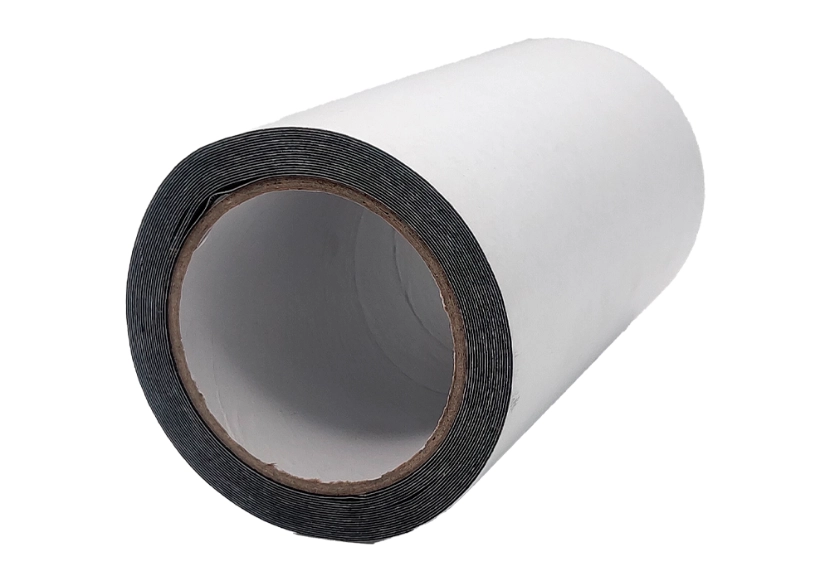
Skin oils, mold sprays, and floating dust ruin a good bond. They stand between the sticky layer and the base part. Washing the area with isopropyl alcohol or similar cleaners removes these roadblocks. You must do this before placing the tape.
5. Overloading Beyond Tape Strength Limits
Every double-sided tape carries specific weight limits for pulling and sliding. These limits depend on the tape’s core material and its chemical makeup. Sometimes people put too much weight on the joint. For example, they might hang heavy metal sheets using a thin foam tape. This mistake causes the parts to slide or rip apart. You need to match the tape’s official limits with your actual weight needs. This careful matching stops early drops.
6. Exposure to Harsh Environmental Conditions
Outside projects deal with sunlight, heavy rain, chemical gases, and wild temperature swings. These harsh elements break down adhesives slowly. Normal tapes get soft or fall apart in these settings. You should use tough, industrial-grade tapes for outside work. Factories build these products with sun-blocking plastics and waterproof cores to last a long time.
7. Incorrect Storage Before Use
Storage methods change how well a tape works, even before you unroll it. High moisture in the air can dry out the sticky side too early. Direct sunlight makes the backing material old and brittle. You must keep your rolls tightly closed in a cool, dry room. Keep them far away from heaters to protect their quality until you need them.
8. Choosing the Wrong Type of Double-Sided Tape for the Job
Different jobs need different chemical mixes. Car parts demand different glues than computer boards or cardboard boxes. Using basic, everyday tape for heavy structural work usually leads to disaster. The parts will break apart under shaking or constant pressure. You should read the technical papers carefully. Also, talking to QKD Tape experts helps you find the exact product for your specific task.
How to Prevent Double-Sided Tape Failure in Industrial Applications
Companies can lower failure rates by picking materials carefully and controlling their steps. This planned method is much better than guessing after a breakdown. Before you buy any double-sided tape, look at the working environment. Check the heat levels, air moisture, chemical risks, and physical shaking. You should test small pieces in real-world settings first. This testing shows flaws early on. It prevents machines from stopping later. Routine quality reviews during factory work keep the stickiness steady across different orders. This consistency is extremely important when moving from early models to full factory runs.
Why Partnering with QKD Tape
A trusted partner like QKD Tape gives you more than just rolls of tape. They offer deep technical knowledge for your exact industry problems. For instance, they know how to join two completely different materials. They also understand how to keep parts attached during extreme heating and cooling. These temperature shifts happen constantly inside cars and computer cases. Expert help guarantees you pick the right item. It also improves your factory setup steps. This support delivers steady, long-lasting results in many different working areas.
FAQ
Q1: Why does my double-sided tape peel off after a few days?
This issue usually happens due to bad surface cleaning. It also occurs if you do not press hard enough during setup. The sticky layer never actually grabbed the base material.
Q2: Can I use household double-sided tape for outdoor projects?
Experts strongly advise against this. Basic tapes break down very fast when faced with sunlight and wet weather.
Q3: What’s the best way to prepare plastic surfaces before applying tape?
You should wash the area completely with isopropyl alcohol. You might also want to apply a liquid primer. This is especially true for tough plastics like polypropylene.
Q4: How should I store unused rolls of double-sided tape?
You need to leave them closed inside their starting boxes. Put them in a cool and dry room. Keep them far away from bright sunlight and hot machines.
Q5: Does thickness affect holding strength?
Yes, it certainly does. Thicker tapes spread the weight much better across bumpy areas. However, they might not work well for delicate builds that need very tight spaces.