
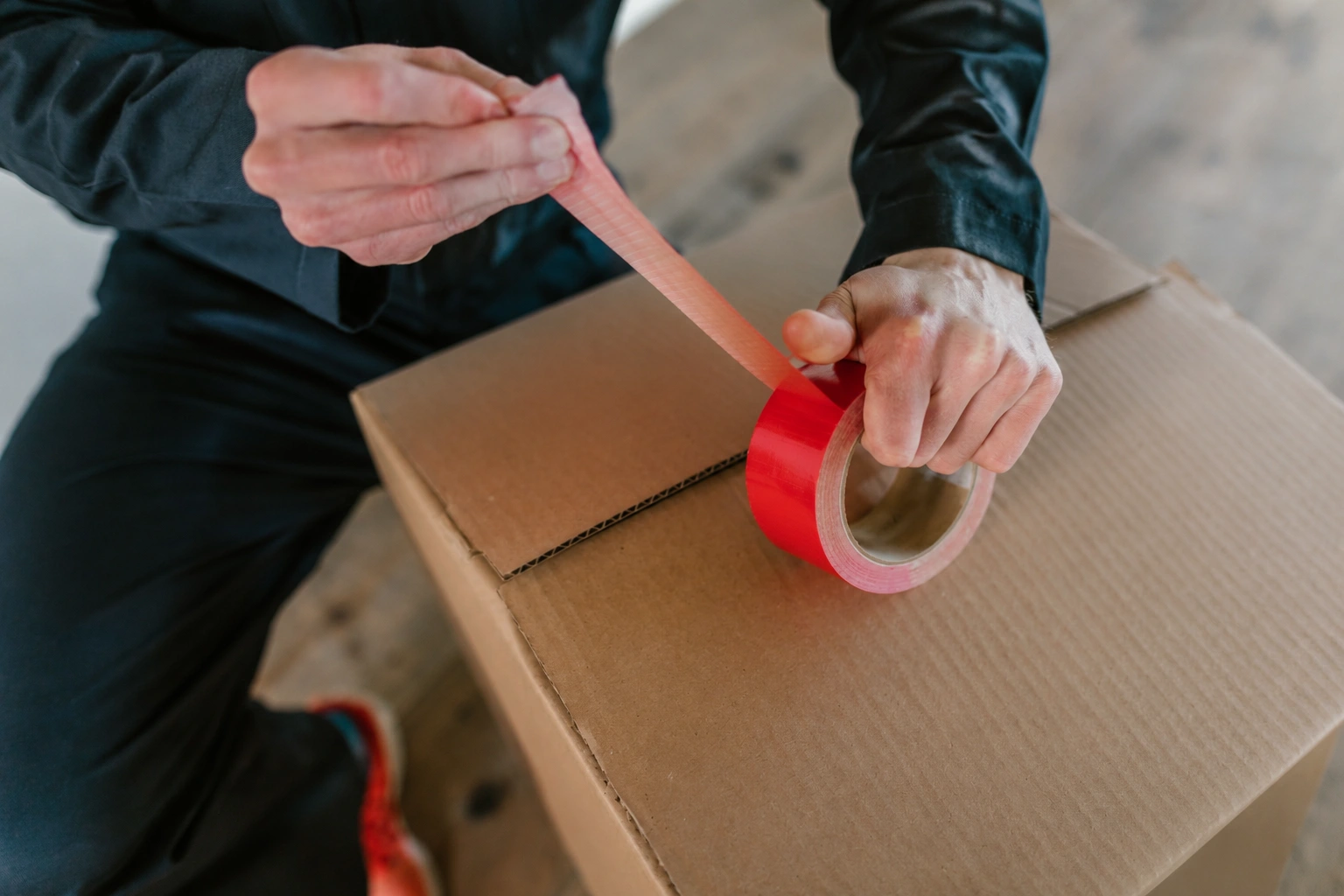
The discussion comparing acrylic foam tape and PE foam tape has existed for a long time within manufacturing and assembly industries. Both products act as double-sided bonding materials. However, their actual performance differs greatly when you apply stress to them. The final choice is not about finding a universally superior option. Instead, it is about finding the right tape for your specific task.
What Are Acrylic Foam Tapes Made Of?
Acrylic foam tapes consist of a viscoelastic acrylic adhesive. This adhesive creates a closed-cell foam structure. The resulting material acts much like a hybrid product. It functions partly as an adhesive and partly as a structural piece. It attaches firmly to metals, glass, and various high-energy surfaces.
This creates a strong link capable of handling heavy vibration. It also resists sudden temperature changes and direct UV exposure. Manufacturers design these tapes for maximum durability. They do more than merely stick to a surface. They maintain their grip during tough conditions that normally cause standard adhesives to fail.
What Is PE Foam Tape and How Does It Work?
PE foam tape features a simpler overall construction. Despite this, it remains highly versatile for many projects. Workers make it using polyethylene foam. They then coat this foam with a pressure-sensitive adhesive on one or both sides. The finished material offers helpful cushioning and effective sealing properties. It also provides a moderate level of adhesion strength.
This tape possesses good vibration-damping qualities. These qualities make it quite useful within the electronics industry. Delicate internal components require reliable protection from sudden impacts or constant rattling. Its core structure focuses heavily on flexibility and thermal insulation. It does not focus on providing massive structural strength.
Key Performance Comparison: Acrylic Foam Tape vs PE Foam Tape
The performance differences between these two types of foam tapes become very obvious during testing. You will notice this clearly when you place them under a heavy load or expose them to harsh environmental stress.
How Do They Differ in Adhesion Strength?
Acrylic foam tape provides a much higher level of shear strength compared to PE foam tape. It can successfully replace metal mechanical fasteners across many different applications. This is possible because it keeps a tight grip even during constant tension or heavy shear forces. For instance, major car manufacturers depend heavily on acrylic-based adhesives.
On the other hand, PE foam tape delivers only moderate adhesion. This level is perfectly adequate for temporary or semi-permanent fixtures. However, it is not suitable for critical structural joints. It has a much lower surface energy compatibility. Because of this, it works best on smooth plastics or painted surfaces.
Temperature and Weather Resistance: Which Performs Better Outdoors?
In outdoor settings, acrylic foam tape easily beats PE foam tape. It keeps its strong adhesion during periods of extreme heat and freezing cold. It also actively resists harmful UV degradation.
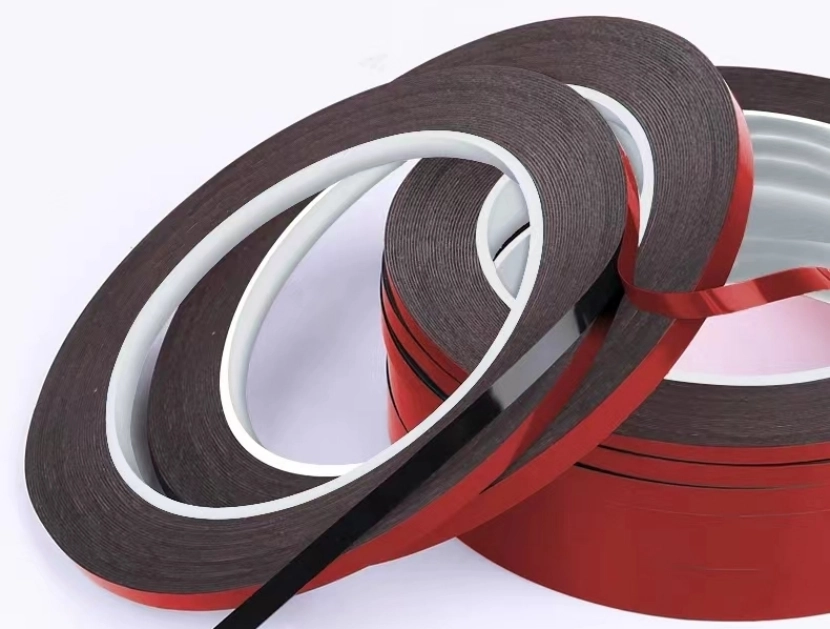
Conversely, PE foam tape generally loses its initial tackiness when exposed to prolonged heat or bright direct sunlight. The underlying polyethylene base will soften slightly at higher temperatures. This softening process causes a gradual bond failure, especially if the attached load is heavy.
Durability and Longevity in Industrial Applications
Acrylic foam tapes strongly resist natural aging. They also block moisture penetration and withstand harsh chemical exposure over long periods. They deliver very consistent physical performance, even after many years of active service.
PE foam tapes are much better suited for controlled indoor environments. In these spaces, the local humidity and room temperature remain quite stable. Their working lifespan is noticeably shorter when placed under mechanical stress or direct chemical contact.
The impressive longevity of acrylic usually offsets its higher initial purchase cost. It does this by greatly reducing the overall replacement frequency. Many corporate procurement teams completely overlook this important factor. They only notice it when unexpected product failures begin to appear several months later.
Practical Considerations When Choosing Between the Two Tapes
Selecting between these two isn’t just about technical specifications; cost structures and operational priorities play equal roles. PE foam tape usually wins on upfront price—it’s cheaper to produce and sufficient for non-critical uses like packaging inserts or appliance cushioning.
But when factoring total cost of ownership, acrylic often proves more economical long-term due to fewer failures and replacements. In industries where downtime costs outweigh material savings—like automotive assembly—acrylic’s reliability translates directly into financial efficiency over time.
Application Scenarios: Where Each Type Excels
Automotive Industry Uses
Within modern vehicles, acrylic foam tape ensures the highly secure bonding of metal emblems and plastic trims. It also holds side moldings and heavy body panels in place. These specific parts regularly face dynamic stress from road vibration and constant motion. The tape has a strong ability to absorb sudden impacts without losing its core adhesion.
Electronics and Appliance Assembly
PE foam tape truly shines in this specific sector. It safely cushions fragile glass displays and sensitive printed circuit boards. It also protects various internal electronic components. It provides an adequate hold without forcing a permanent structural commitment. If repair technicians need to service the device later, the tape removal process remains quite clean. It leaves behind very minimal sticky residue.
Construction and Signage Solutions
Builders often work with exterior building claddings or large retail signboards. These items sit exposed to harsh weather elements. In these cases, acrylic-based adhesives clearly dominate the market once again. Their strong resistance to harmful UV light prevents ugly yellowing. It also stops dangerous bond weakening, even after spending many years outdoors.
How to Decide Which Foam Tape Fits Your Project Needs
Your final decision-making process should always begin with a very honest assessment. You must evaluate the expected environmental exposure and the actual functional demand of the project. You should not base your choice purely on blind brand loyalty or old purchasing habits.
Questions to Ask Before Purchasing Industrial Foam Tapes
- What materials will be bonded?
- Will the application face temperature swings or outdoor exposure?
- How critical is long-term adhesion compared with easy removability?
Answering these basic questions will narrow down your available options very quickly. You should do this before any physical testing actually begins.
Why Partnering with QKD Tape
QKD Tape is committed to advancing industrial adhesive technology through modern materials science. We continuously invest in R&D to improve overall bond strength and thermal stability, and strive to increase daily production efficiency. Customized solutions ensure that every batch of products meets extremely stringent quality standards.
Making the right choice between acrylic foam tape and PE foam tape is crucial. This choice ultimately determines the reliability of your finished products years later. It’s not just about the tape’s current adhesive performance. Contact QKD Tape today and discuss the best option for your next project.
FAQ
Q: Can PE foam tape be used outdoors?
You can use it temporarily in outside settings. However, it may degrade quickly under prolonged sunlight or extreme heat exposure. This happens largely due to the very limited UV resistance of standard polyethylene.
Q: Is acrylic foam tape removable?
Workers can remove it mechanically with proper tools. However, it frequently leaves a sticky residue behind. This occurs because of its incredibly strong permanent bond, which is intended primarily for heavy structural use.
Q: Which type handles vibration better?
Both tape options provide helpful vibration damping effects. However, the unique viscoelastic nature of acrylic tape distributes physical stress much more effectively. It performs exceptionally well under heavy dynamic loads.
Q: Does cost always justify choosing acrylic over PE?
This is not always the case. If your specific application does not truly demand extreme long-term strength or high weather resistance, PE foam tape remains a very practical and low-cost option.