
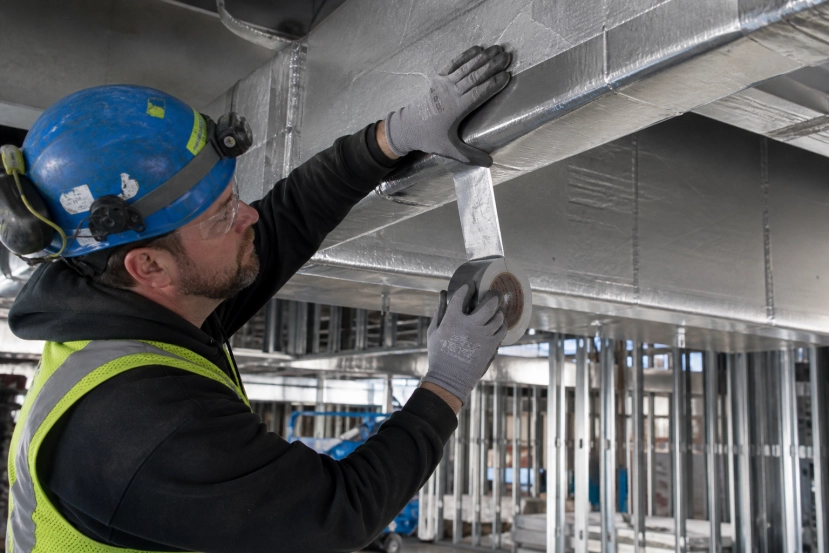
Industrial tapes have become essential in today’s construction projects. Efficiency, safety, and durability rank high on the list of priorities. The proper tape for construction can often take the place of screws, bolts, or welding in numerous cases. It saves time and delivers solid bonding and sealing results. From putting together structures to waterproofing and guarding surfaces, building tape quietly supports modern infrastructure in vital ways.
Why Industrial Tape Matters in Modern Construction
Industrial tapes offer robust bonding, sealing, and protection options for diverse construction tasks. They cut down setup time versus old-school fasteners. You skip drilling or waiting for things to set. This speeds up the process. It also lowers the chance of weakening structures with holes or welds. Plus, these tapes boost safety. Workers face less heat or mechanical risks during assembly. They add to lasting strength too. Consistent seals hold up against daily wear.
Key Features of Construction Adhesive Tapes
Builders design construction adhesive tape with powerful sticking power. It works on many surfaces, including metal, concrete, glass, and plastic. The build resists shifts in temperature, water entry, and UV breakdown. Several newer types apply simply. They come off cleanly if you need temporary holds. This versatility fits busy job sites. Materials there might shift around often.
Common Types of Building Tape Used in Construction
Various kinds of building tape handle specific jobs across a project’s phases. These range from early setup to final details.
Double-Sided Foam Tapes
Workers use double-sided tapes a lot for attaching panels, insulation, and trim pieces. They create neat finishes. You see no fasteners or screws. Stress spreads evenly over joined areas. Weather-proof glues make them suitable inside or outside. Architects pick them for exterior work. Looks count as much as toughness there.
Masking and Surface Protection Tapes
Masking tapes shield sensitive areas during painting, plastering, or other finish steps. They stop scratches or dirt buildup on shiny parts. Paint stays put along edges without bleeding. Good masking tape peels off without sticky leftovers. That detail cuts cleanup time by hours.
Duct and Sealing Tapes for Heavy-Duty Applications
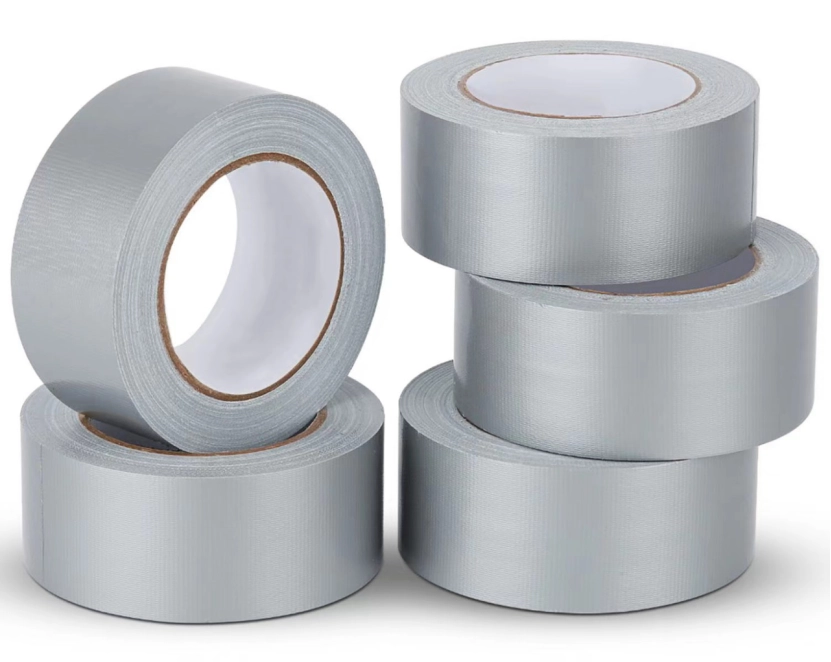
Duct tapes prove vital for HVAC setups and sealing joints. The tough glue forms tight closures around ducts. This blocks leaks or energy waste. They bend under stress without issues. High heat doesn’t cause peeling or breaks. That’s key in machine rooms or factories.
| Type of Tape | Primary Use | Key Property | Durability |
| Double-Sided | Panel bonding & decor fixing | Invisible bond line | High |
| Masking | Surface protection during finishing | Clean removal | Medium |
| Duct/Sealing | HVAC & joints sealing | Airtight adhesion | Very High |
Structural Applications of Tape for Construction Projects
Many heavy-duty tapes go beyond short-term patches. They directly support a building’s strength.
Mounting and Bonding Panels and Facades
Builders now rely on adhesive systems to attach glass panels, aluminum sheets, or composite facades firmly to frames. These setups soak up vibrations. They adjust to heat expansion between different materials. Mechanical fasteners often fail here. The outcome? A smooth building exterior without rivets or bolts that break the clean lines.
Insulation Installation with Adhesive Tapes
Tapes made for insulation hold boards or rolls in place on walls, ceilings, or HVAC ducts. They reduce air pockets or gaps at seams. This boosts energy savings a lot. Top versions keep their grip amid temperature changes. You’ll see this in outer walls or roof setups.
Waterproofing and Weatherproofing Uses of Building Tape
Stopping water from getting in stands out as a top trait of construction adhesive tape.
Sealing Windows, Doors, and Roof Joints
Targeted waterproof tapes form durable seals near window frames, door edges, and roof connections. They halt water that might harm wood frames or insulation. Flexibility lets them flex with building movements. They stay solid against dampness and wind.
Vapor Barrier and Moisture Control Applications
Apply these tapes on vapor barriers in wall builds. They seal overlaps and openings without breaks. This stops moisture from building up in wall spaces. Such buildup often leads to mold. It also keeps the building’s heat control steady for years.
Safety and Maintenance Applications of Industrial Tape on Site
Industrial tape does more than structural work. It improves site order and worker safety during active jobs.
Marking Hazard Zones and Work Areas
Colorful marking tapes outline danger spots or no-go zones. Visibility holds up in dim light. This basic step raises worker caution near heavy gear or deep digs. Many find it a cheap way to gain big safety wins each day.
Temporary Fixes and On-Site Repairs
Site managers always keep strong duct tape handy. It handles fast repairs, like tying down stray wires, wrapping tool grips for surer holds, or mending rips in cover sheets. Operations keep going without long stops. That cuts delays when deadlines press hard.
Choosing the Right Construction Adhesive Tape for Each Task
Picking the best tape goes beyond grabbing what’s on hand. You must match it to material types and site conditions.
Factors to Consider When Selecting Industrial Tape
- Surface type: Rough spots like concrete often need thicker glues than sleek metals.
- Environmental conditions: Heat over 80°C or steady dampness wears out some glues quicker.
- Load-bearing needs: Jobs that hold weight demand strong backings to manage side forces.
Weigh these points carefully. This brings steady results over a project’s full run. Skip guesswork on site.
The Importance of Partnering with a Reliable Tape Manufacturer
Team up with focused suppliers like QKD Tape. They provide steady quality items fit for construction demands. Technical advice helps crews pick the right glues for tough spots. Think curtain wall builds or fire-safe insulation joins. Solid supply lines ensure on-time arrivals. Delays hit big projects with real costs.
Working together also lets you try fresh mixes for eco-friendly builds. Examples include low-VOC glues that meet green standards.
Industrial adhesive tech keeps growing with building advances. Structures rise higher and get more intricate. Yet they need sharp looks and better climate control. Industrial tape’s part will grow. It shifts from a helper tool to a core element in today’s engineering ideas.
Build Stronger, Seal Smarter with QKD Tape
Whether you’re sealing HVAC ducts, mounting facade panels, waterproofing roof joints, or protecting finished surfaces, the right industrial tape makes every construction project more efficient and reliable.
At QKD Tape, we provide high-performance adhesive solutions designed for demanding construction environments—from heavy-duty sealing tapes to customized bonding solutions for OEM and industrial applications. Our products are built to handle temperature extremes, moisture exposure, UV conditions, and long-term structural demands.
Ready to improve efficiency and durability on your next project? Contact QKD Tape today to explore our full range of construction adhesive tapes and get expert recommendations tailored to your application needs.
Learn more about our solutions and request a quote now.
FAQs
Q1: What is the main advantage of using building tape over traditional fasteners?
It cuts setup time. Bonds stay strong. No surface damage from drilling or welding occurs.
Q2: Can construction adhesive tape withstand outdoor conditions?
Yes. Many types resist UV and repel water. They manage wide temperature swings outside well.
Q3: How long does industrial tape last in structural applications?
Quality ones endure for decades. It depends on factors like sun exposure or chemical touches.
Q4: Is there a difference between duct tape and sealing tape?
Duct tape handles many tasks. Sealing tape targets tight joints in pressured systems like HVAC ducts.
Q5: What factors should I check before choosing a specific tape for construction?
Look at surface match, site exposures like heat or moisture, weight needs, and maker quality checks.