
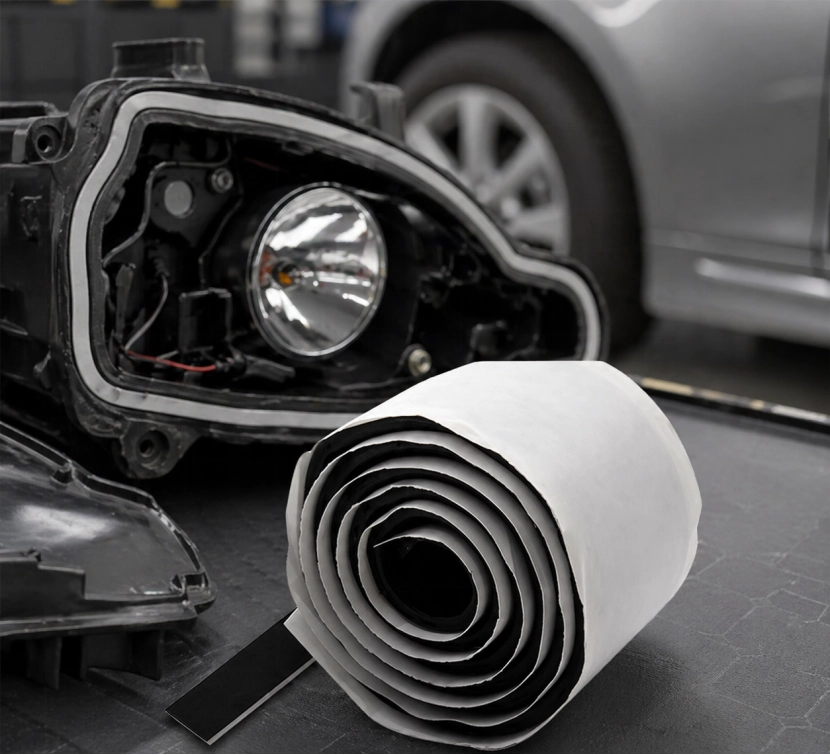
Choosing between butyl tape and liquid sealants can decide how effectively a vehicle remains shielded from leaks, shakes, and tough weather. For many car sealing tasks, butyl tape delivers a quicker, neater, and tougher fix than usual liquid sealants. Its water-resistant and bendable quality suits spots where accuracy and lasting dependability count.
Why Automotive Sealing Matters
Sealing stops water, dirt, and air from sneaking into vehicles. If you skip good sealing, dampness might rust metal components or harm electrical parts. Strong sealing boosts toughness and ease by shutting out outside sounds and keeping cabin air pressure steady. It also supports the vehicle’s frame strength. Plus, it cuts down noise from shakes or wind gusts.
Common Materials Used for Automotive Sealing
The car field relies on various materials to get solid sealing results. Butyl tape, liquid sealants, and silicone-based glues see wide use. Each brings its own perks. Butyl tape sticks firmly yet stays bendy. Silicone types manage hot conditions well. Polyurethane sealants handle uneven spaces nicely. You pick based on the spot, like doors, windows, or roofs. Those areas face different motions or exposures.
What is Butyl Tape?
Before we dive into comparisons, let’s grasp what sets butyl tape apart in car work.
Composition and Characteristics of Butyl Tape
Automotive Butyl Tape serves as a bendy, water-tight sealer for vehicle fixes. It acts as a solid sticker and blocker, great for closing headlights, fitting parts, and halting drips. The stuff comes from a man-made rubber called butyl rubber. That gives top-notch water-proofing. It grips hard on metal, glass, and plastic without needing warmth or setting time. Flexibility counts too. It keeps soft even in wild temperature swings, avoiding splits or shrinks.
Is Butyl Tape Waterproof?
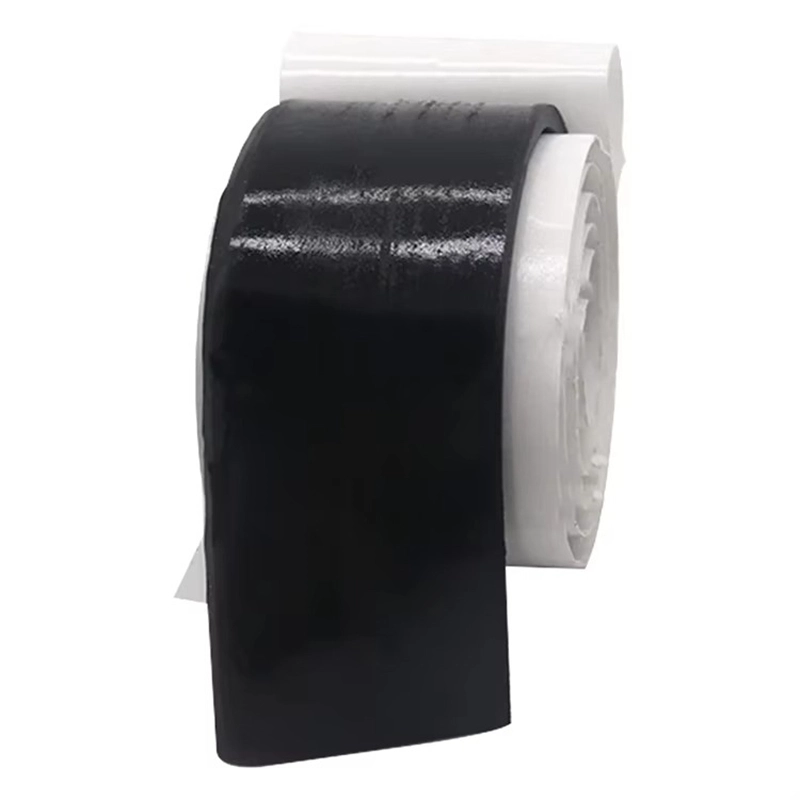
The answer is yes. Our automotive butyl tape appears as a dark, non-stiffening rubber sealer for lasting water-proofing. It builds a tight barrier against dampness, even in pounding rain or muggy air. This dark, non-stiffening tape holds its shape in any weather. Since it never stiffens, it keeps sealing power for years. No cracks or peels from surfaces.
Types of Butyl Tape Used in Automotive Applications
Black Butyl Tape
Black butyl tape sees common use for closing car windows, lights, and edge pieces where looks play a part. Its deep shade matches car surfaces smoothly. It also fights UV damage to avoid breakdown from sun rays.
Double-Sided Butyl Tape
Certain kinds work like double-sided sticky pads, perfect for joining panels or adding extras without ugly leftovers. It clings tight to sides while forming a water-tight block.
What Are Liquid Sealants?
Liquid sealants are thick stuff you spread as fluid. They harden into firm blocks after air or heat hits them. Makers often use silicone, polyurethane, or acrylic mixes. Their gap-filling skill fits tricky joins, like engine areas or body lines.
Key Advantages of Liquid Sealants
Liquid sealants cover bumpy shapes smoothly, something tapes struggle with. After hardening, they grip strong and take shakes well. That’s key in rolling cars. You can paint them once set, for finishes that match nearby spots.
Limitations of Liquid Sealants in Automotive Applications
Still, liquid items have downsides. They need time to set before full power kicks in. That slows factory lines or fix jobs. Spreading can get dirty if you mess up. Uneven coats might leave soft areas. In the long run, certain mixes shrink or split under wild heat shifts or sun rays.
Comparing Butyl Tape vs Liquid Sealants for Automotive Sealing
To pick between these, check how they stack up in real-world ways.
Ease of Application and Installation
Butyl tape arrives set to go. No blending or waiting needed. So, setup stays fast, even for on-site fixes. You apply it simply, without tools. Liquid sealants call for clean prep and steady spreaders. Then, you wait for drying before checks.
Durability and Weather Resistance
Butyl tape stays bendy through temp changes. It never stiffens or slips. Water-proof and weather-tough, it holds steady from -40°C to 90°C. Some liquid sealants wear quicker under sun or heat loops, unless built for endurance.
| Property | Butyl Tape | Liquid Sealant |
| Curing Time | None | Several hours |
| Temperature Range | -40°C to 90°C | Varies by type |
| Flexibility | Excellent | Moderate |
| UV Resistance | High (for black variants) | Depends on formula |
Adhesion Strength and Surface Compatibility
Both stick well to car metals and plastics. The gap shows in speed. Butyl tape bonds right away with a press. Liquid sealant waits for setting to hit max grip.
Maintenance and Long-Term Performance
For upkeep, tapes often win. You remove them easily in fixes without scratching paint below. It sticks and seals strong, but lets you reapply as needed. Liquid choices usually mean scraping or solvents for swaps. That adds work time.
When to Choose Butyl Tape Over Liquid Sealant in Vehicles
Certain cases make butyl tape stand out. Its ease and grit shine there.
Window and Door Frame Sealing
For window setups or door edges hit by rain flows, butyl gives enduring water shield against drips. It also quiets wind roar at fast drives.
Roof Racks and Light Fixtures
On roof add-ons like racks or extra lights that shake with movement, butyl’s stretch stops breaks. It keeps wet out of screw spots.
HVAC Ducts and Panel Joints
In car air ducts or panel links facing temp swings and shakes, its air-tight traits hold steady over years. You rarely reapply.
Factors to Consider Before Choosing a Sealing Solution
Picking isn’t just about price. Surroundings matter a lot too.
Environmental Conditions
Exposures differ a bunch. Outdoor-parked cars meet sun daily. Cold-area drivers need stuff that bends below zero. Desert warmth tests stickers unlike shore dampness.
Application Area Size and Shape
Big steady lines gain from liquid’s pour. It fills tiny gaps quick. Small joins, like light housings, fit butyl tape’s exact handle better. You control placement easy.
Installation Efficiency Requirements
In fast build lines or spot fixes where pauses hurt, tapes lead. They’re ready now. No mess to clean after. Just trim extras, simpler than wiping wet liquid bits.
How QKD Tape Supports Automotive Sealing Needs
Now, think about finding solid suppliers who get car needs deep.
QKD’s Expertise in Industrial Adhesive Solutions
QKD Tape focuses on making top butyl tapes for car sealing jobs. Our design eye matches many bases, like metals in global car lines.
Product Quality and Customization Options
We offer dark butyl tape types made for car makers’ exact wants. These mix looks with power for factory standards and fix shops both.
Commitment to Reliable Performance
We guarantee steady grip, water-proofing, and lasting toughness in all items. That cuts leak complaints. Automakers and users value it when eyeing long-run costs of sealed parts.
Whether you’re sealing headlights, door frames, roof racks, or HVAC joints, choosing the right material directly affects vehicle durability and leak protection. From OEM manufacturing to aftermarket repairs, our customized sealing solutions help businesses improve installation efficiency while reducing maintenance costs.
Contact us today to find the right butyl sealing solution for your automotive applications.
FAQs
Q1: Is butyl tape waterproof enough for car roofs?
Yes, its non-hardening makeup ensures full water block even under steady roof seam or rack exposure.
Q2: Can I use black butyl tape inside headlights?
Yes; it’s built for resealing headlight setups to stop fog from caught damp.
Q3: Does temperature affect the bond strength?
No big drop happens in the -40°C–90°C span common for car settings, thanks to its steady rubber mix.
Q4: How long does butyl tape last compared with silicone sealant?
Well-placed butyl outlasts by years. It avoids drying like set silicone under sun rays.
Q5: Can I paint over areas sealed with butyl?
Direct paint isn’t wise since its face stays a bit sticky. Cover edges clean before nearby finish layers.