
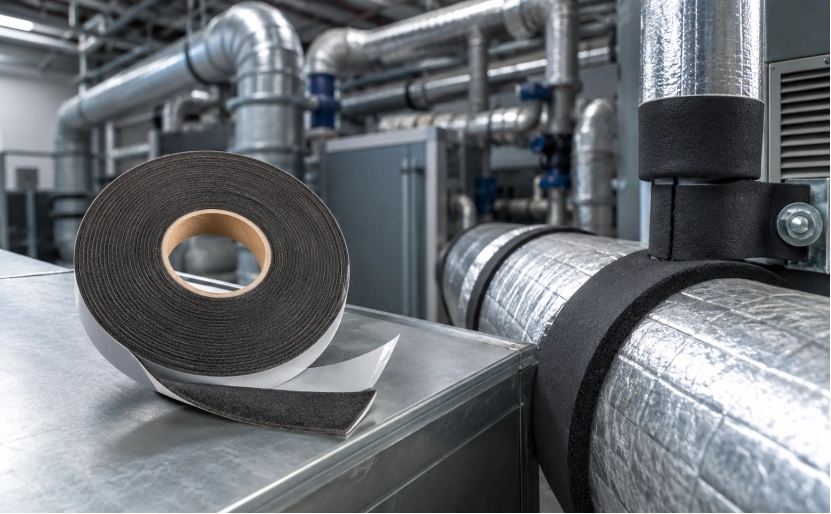
Energy efficiency in industrial systems often relies on solid heat control. Traditional insulation materials do important work, but the adhesive tape you choose to seal and fasten them can determine success or failure. EVA foam tape appears as a fresh option. It strengthens thermal insulation. It also boosts toughness and simplifies use compared to standard tapes.
The Importance of Effective Insulation in Industrial Applications
Workers in industrial spaces use thermal insulation to hold process temperatures steady. It lowers energy use and increases safety. Adhesive tapes work as essential seals and bonds in these systems. They keep joints tight against air and block water entry. Selecting the proper tape influences how long the system endures and how often it needs upkeep. Weak tapes break down in warmth or damp air. As a result, leaks and waste push up daily expenses. You might notice this in factories where old tapes fail after a few months, forcing costly fixes.
Common Types of Tapes Used for Insulation
Over the years, industries depend on PVC, aluminum foil, or cloth tapes for insulation jobs. PVC gives bendiness. Aluminum foil bounces back heat. Cloth tape manages average warmth. Still, they all have flaws. In sharp temperature changes, glues lose stick. The base layer could split. Engineers turn to better choices like EVA foam tape. It mixes firm sealing with strong heat endurance.
EVA foam adhesive tape earns top spot as a go-to replacement. Its closed-cell build and steady output shine in harsh settings.
What Is EVA Foam Tape?
You should first learn what sets EVA foam tape apart before pitting it against rivals. A materials view helps here.
Composition and Structure of EVA Foam Tape
Builders create EVA foam tape from Ethylene Vinyl Acetate (EVA). This copolymer stands out for its springiness and durability. The closed-cell form holds air in small bubbles. That delivers padding and heat blocking. This setup also blocks water uptake and restricts air flow. Both aid reliable insulation. EVA foam adhesive tape sticks well to metals, plastics, glass, and composites. It fights off UV rays and heat changes too.
Key Properties That Distinguish EVA Foam Adhesive Tape
EVA foam excels with its low heat flow and good give under pressure. It holds firm seals on rough or bent areas. HVAC ducts and car panels often pose such issues. The glue lasts long. It stays stable without stiffening or lifting when stressed.
Comparing EVA Foam Tape vs Conventional Tape
We now know the core of EVA foam tape. Let’s examine how it holds against usual materials in actual jobs.
Thermal Performance Comparison
PVC or paper tapes soften or slip in high heat. EVA foam keeps its shape over broad spans. From icy chills to hot zones in gear rooms or engine areas, it performs. This trait lets it limit heat movement in HVAC units, electronic setups, and car parts. Reliable insulation there ensures smooth operation.
| Property | EVA Foam Tape | PVC Tape |
| Thermal Conductivity | Low | Medium |
| Temperature Range | -30°C to +90°C | -10°C to +60°C |
| Moisture Resistance | Excellent | Moderate |
| Flexibility on Uneven Surfaces | High | Moderate |
Durability and Environmental Resistance
EVA foam adhesive tape beats cloth or rubber types in water resistance. It skips soaking water after long contact. This proves handy for outside setups with shifting dampness. Its UV strength stops wear from long sun exposure. Thus, it fits building sides or inner machine systems that need extended life without regular swaps.
Ease of Application and Flexibility in Design
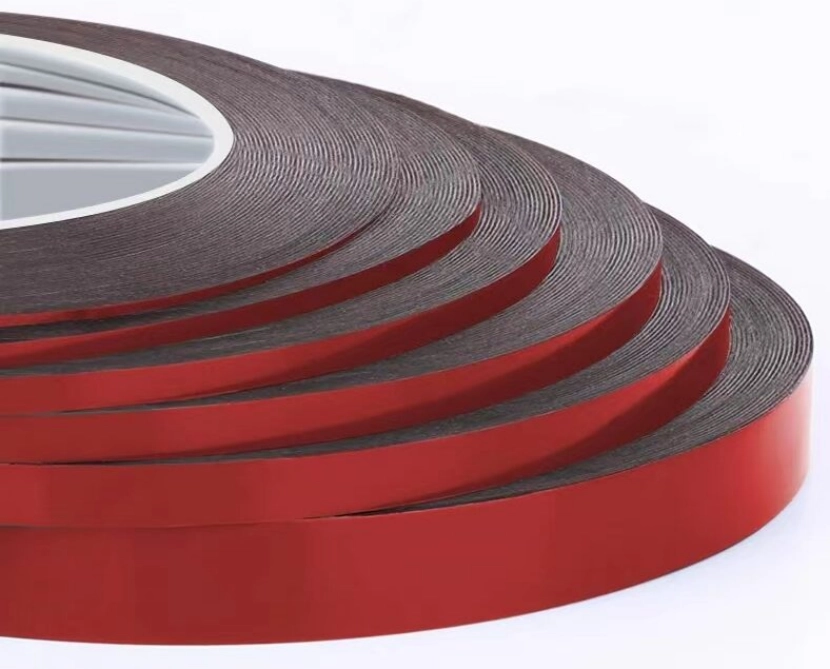
Fitters value how EVA tape shapes to uneven forms with its yielding foam. It’s light but sturdy to remain in place after even pressing. Widths suit particular uses. This allows room in planning without losing output.
Advantages of Choosing EVA Foam Adhesive Tape for Thermal Insulation
Benefits stretch past heat handling. EVA foam tape delivers clear energy cuts and better work ease in many areas.
Enhanced Energy Efficiency and Cost Savings
EVA foam adhesive tape reduces thermal bridging. These spots let heat leak through cracks. It sustains even inside temperatures on ducts or panels. In time, you get clear drops in heat or cool demands. Energy costs fall sharply. This backs green aims too. Imagine a plant saving 15% on bills after switching tapes.
Improved Acoustic and Vibration Damping Benefits
The closed-cell form that halts heat also quiets sounds. Machine shells or car spaces benefit. EVA foam cuts noise by taking in shakes before they spread via metal. This two-way role suits fields wanting sound ease and heat control. You skip extra material layers.
Compatibility Across Industries and Applications
Automotive Industry Applications
Cars employ EVA foam adhesive tape for door seals and dashboard parts. It serves air conditioning ducts and inside noise barriers. Steady heat counts as key as hush there.
Construction and HVAC Systems
Site crews apply EVA foam tape at duct joins, window borders, wall sections, or pipe ties. It forms air-tight bonds to curb moisture buildup. Insulation flows better over areas.
Electronics Manufacturing
EVA tape acts as a solid barrier between boards or near hot parts like transformers or power units. It trims overheat chances without extra heft.
Factors to Consider When Selecting EVA Foam Tape for Your Project
This tape adapts well, yet the correct pick unlocks full gains from the tech.
Thickness, Density, and Adhesive Type Selection Criteria
Thicker foams offer stronger insulation. But they demand firmer glues to bear weight in squeeze. Density sets load tolerance without shape loss. This counts in clamp pressure. Based on surroundings or base:
- Acrylic glues do better in UV.
- Rubber glues provide quick hold in cold.
We weigh these for best lasting results fitted to job needs.
Installation Best Practices for Maximum Performance
Prep surfaces matter most. Clear dust or grease before taping to secure stick. Steady push in setup clears air gaps. These might flaw insulation links. Store rolls right, from sun or high wet. This guards glue strength till needed.
Why QKD Tape is a Reliable Partner for EVA Foam Tape Solutions
Needs for custom adhesives grow in car production and electronics builds. A steady supplier proves vital. QKD Tape builds top adhesives for industrial rigors. Precision seals guide their aims. Their modern processes yield even quality in each EVA foam tape lot. This matters when steadiness sets system trust over years.
Customization Options for Diverse Industry Requirements
Jobs differ in specs. QKD supplies tailored sizes, liners, shades, and glue types per client input. Support crews help pick, eyeing damp shifts or chem zones in plants or sites. All lines meet firm global rules for ongoing strength. We keep green making to trim waste in build steps. Contact us today to find the right EVA foam tape solution for your insulation needs.
FAQs
Q1. What makes EVA foam tape better than traditional PVC tape?
It gives better heat endurance and water shield while holding bend over larger temp spans.
Q2. Can EVA foam adhesive tape be used outdoors?
Yes. It handles UV and weather well without glue loss.
Q3. How thick should I choose my EVA foam tape?
Pick per use. Thicker types insulate more but need firmer glues for sure bonds.
Q4. Is EVA tape suitable for soundproofing?
Yes. The closed-cell form takes shakes well for noise cut and heat seal work.
Q5. Does storage condition affect performance?
Right storage from heat keeps glue sound till setup.