
The Role of Masking Tape in Achieving Clean Paint Lines
How Masking Tape Enhances Edge Precision
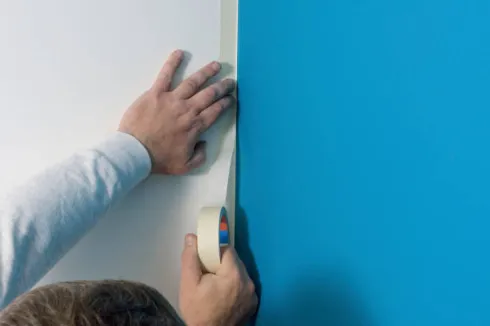
Getting sharp edges matters a lot in painting jobs. And using painter’s tape helps a bunch to get neat, pro style finishes. This tape sets up a wall that stops paint from leaking. It keeps lines straight near trim, baseboards, and ceiling borders. That boosts how the work looks at the end. Plus, it cuts down on fixing time after painting.
The glue on masking tapes is key here. Painters can stick the tape to surfaces with just a light touch and small push. It grabs on fast. No waiting for it to dry, not like with regular glue. Also, these tapes stick nicely to things like drywall, wood, and metal. So they work well on many parts of a room.
The base layer counts too. Tape for packing or sandblasting needs flat paper. But creased paper with varying stretch makes masking tape and painter’s tape. Those creased paper tapes bend easily. They fit tight on bends or bumpy spots. And they stay put without peeling or wrinkling.
Choosing the Right Tape Width for Detailed Work
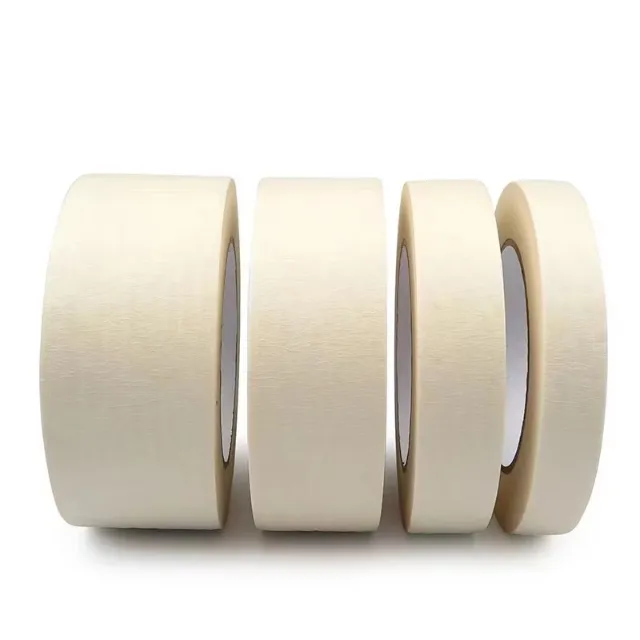
Tape width affects how much you cover and how much you control things. 12 inch wide masking tape works great for covering big areas in spray or roller jobs. Thinner ones suit fine jobs near windows, trim, or for making paint designs.
Picking the right width stops extra taping and saves materials. For example, to guard big furniture or floors while spraying, a 12 inch wide masking tape speeds things up. It also cuts the need for other covers.
Time Efficiency Gained Through Proper Tape Application
Reducing Preparation Time with the Right Tape Selection
Saving even a bit of time in setup helps. Tapes made for specific jobs can cut prep time a lot. Tapes for certain surfaces mean you don’t need lots of different kinds. Ones that tear easy and have pre bent edges let you apply fast. No scissors or hand folding needed.
The tape sticks right away. No curing wait, so you save hours. Some work site tapes have coatings that fight tearing when you unroll or move them. They fit busy job spots well.
Streamlining Cleanup and Post Painting Tasks
After you paint, taking off the tape can go smooth or turn messy. It all depends on tape quality. Tapes that come off clean skip long scraping and sanding. Their weak glue leaves no sticky spots. So no need for cleaners.
In big projects, tape might stay on for days or weeks. Then strength matters. PET films have special traits. They hold up great against UV light. That’s why folks use them outside. Tapes that fight UV and heat keep working. They don’t melt into paint or fall apart.
Factors to Consider When Selecting Masking Tape for Painting Projects
Adhesion Strength Based on Surface Type
Pairing the best glue power to your base stops damage and gets better results:
| Surface Type | Recommended Adhesive Strength |
| Rough (e.g., stucco, brick) | High tack |
| Smooth but fragile (e.g., wallpaper) | Low tack |
| Standard drywall or wood | Medium tack |
Acrylic glues often fit lasting or outdoor uses best. For jobs outside or ones that last long, acrylic adhesives work well. They stand up to time and weather.
Compatibility with Paint Types and Environmental Conditions
With oil paints or shiny finishes, pick masking tape that fights solvents. For spots in the sun, UV proof tapes are a must. They don’t break down.
Heat affects things more than you think. Double sided tape shouldn’t go below 10℃. Low temps drop the first stick power a lot.
In cold spots, keep tape inside first. Or grab types for low temps. Pro brands like QKD Tape give options made for these issues.
Enhancing Project Outcomes Through Strategic Tape Use
Improving Finish Quality Across Multiple Coats and Colors
When you use many colors or layers, painter’s tape acts as a guide and guard:
- It keeps bright color splits clear.
- It stops brush slips or smears.
- It helps a ton in business spots. There, steady looks matter on wide walls.
Even with spray tools, masking tape makes color shifts neat and even.
Supporting Decorative Techniques and Complex Patterns
For fun designs like stripes, wall art, or shape setups:
- Masking tape keeps stencils or lines steady.
- It lets you repeat patterns over big areas.
- It shows up often in new styles that mix flat and shiny on one wall.
Super thin Japanese paper tapes are getting popular too. They block paint leaks. And they keep lines slim.
Professional Insights into Industrial Masking Applications
The Importance of Tape Durability on Construction Sites
At busy build sites, tape deals with tough stuff: dirt, wet, scrapes. That’s when strong work tapes do best. Extra tough bases fight rips when you put on or take off. Work grade tapes like QKD Tape’s are built for hard spots.
They stick for days. So you don’t reapply in steps. QKD Tape’s team works hard on new ideas. They make glues and bases that handle these needs.
Versatility Across Sectors Beyond Residential Painting Projects
Masking tape goes past home walls and roofs. In car fixing, it covers edges and parts for spraying. Tech makers use exact masking for board coatings. Packing folks use 12 inch wide masking tape to hold safe wraps tight.
How it fits so many areas shows its big role outside home fixes.
Innovation Trends in Painter’s Tape Technology
Advances in Backing Materials and Adhesive Formulations
New masking tapes use smart builds. Bases that bend but hold strong fit curves without breaking. Glue that takes heat works in ovens or hot dryers.
QKD Tape pushes ahead with glue research. It boosts how tapes work in many ways. These changes make old hard jobs easier. No need for special fixes or hand work.
Eco Conscious Developments in Masking Solutions
Caring for the earth now shapes how products grow. Glue without solvents cuts harm in making. Paper bases you can recycle fit green build rules.
Green ways change not just what painters pick. They change how makers build stuff. QKD Tape leads this change. They give earth friendly picks that still work great.
FAQs
Q: What is the best masking tape for painting trim?
Use low tack painter’s tape specifically designed for delicate surfaces like finished wood or wallpaper.
Q: Can 12 inch wide masking tape be used for furniture protection?
Yes, it’s ideal for large surface coverage like furniture or floors during spray painting jobs.
Q: Why does masking tape sometimes pull off paint?
This happens when high tack tape is used on fragile surfaces or removed too quickly before the paint cures.
Q: Is all painter’s tape heat resistant?
No. Choose heat resistant varieties if you’re working near curing lights or high temperature settings.
Q: How long can you leave masking tape on before painting?
Most tapes are safe for 3–14 days depending on adhesive type; check the product label for best results.