
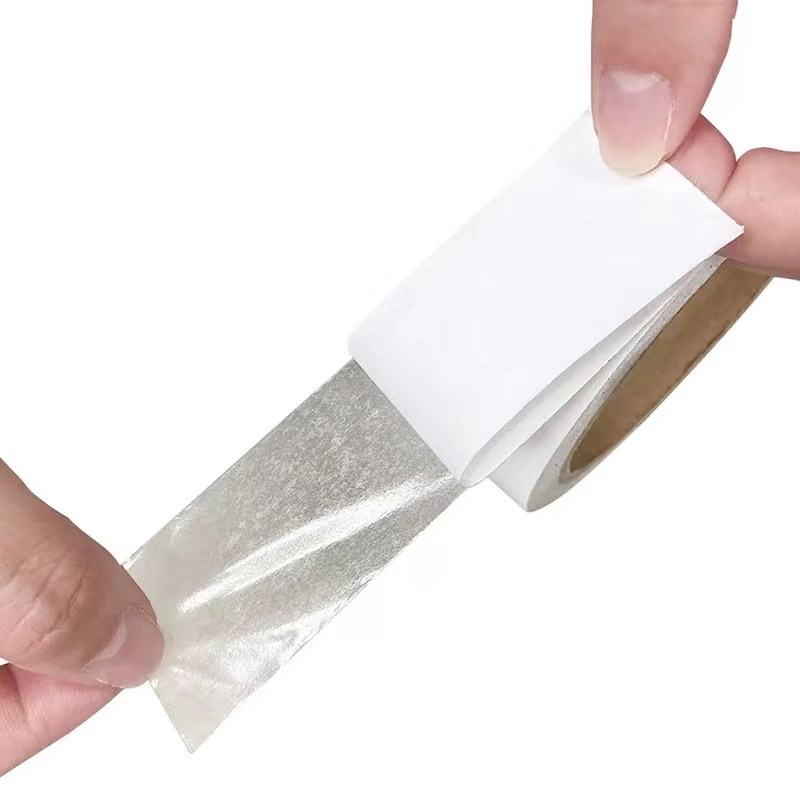
Heavy-duty double sided tape is more than just sticky stuff—it’s a carefully made bonding tool meant to take the place of usual fasteners in tough jobs. Whether you’re dealing with car parts, building looks, or factory signs, picking the right kind of double sided sticky tape can really change how long it lasts, how safe it is, and how easy it is to put on. The trick is to get its material setup, sticky makeup, and ability to handle surroundings.
Key Features of Heavy-Duty Double Sided Tape
Material Composition and Structural Design
Heavy-duty double sided tapes get built with different base materials that shape how they work:
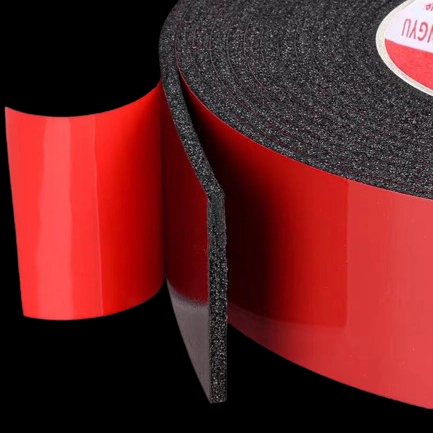
- Foam carriers give good fit and fill gaps well, perfect for sticking on bumpy spots.
- Film carriers, often from PET or PVC, bring slim shapes and steady sizes.
- Tissue and scrim carriers suit light tasks that need bend or extra pull strength.
Double sided tapes usually come with either a single liner (one side covered) or double liner (both sides covered), based on how folks plan to use them in putting things together. Thicker tapes often hold more weight but might lose some bend. Thinner ones fit better in narrow areas or on bent surfaces.
Adhesive Technologies Used in Heavy-Duty Tapes
Pressure-sensitive adhesives (PSAs) make up the core of double sided sticky tapes. The three main kinds are:
- Acrylic adhesives: Famous for great UV hold, lasting traits, and fit with many types of bases.
- Rubber-based adhesives: Bring strong first grip and solid stick to low energy surfaces but show less heat and UV hold.
- Silicone adhesives: Offer top heat and chemical hold, commonly used in gadgets or harsh spots.
Key work measures include:
- Tack: First stick level
- Peel strength: Fight against pulling off
- Shear strength: Power to stay under ongoing weight
Durability and Environmental Resistance
For outside or factory use, lasting power is a must. Tapes have to work under:
- Very hot or cold temps
- High dampness or water touch
- Straight sun (UV hold)
- Touch with cleaners or chemicals
Acrylic foam tape, for example, often gets picked for outside signs because it fights weather over time.
Criteria for Selecting the Right Double Sided Tape
Compatibility With Substrates and Surfaces
Not all tapes grab just as well to every material. Surface energy plays a big part:
- High surface energy materials (like metals or glass) let better sticky flow and joining.
- Low surface energy plastics (like polyethylene) might need special stickies or starters.
Surface prep—wiping off dust, oil, or leftovers—is key before tape use to make sure the stick lasts long.
Load Requirements and Bond Permanence
The hoped-for weight and if the join should stay forever or just for a bit affects tape choice:
- Static loads (e.g., wall-mounted mirrors) may call for thicker foam tapes.
- Dynamic loads (e.g., parts hit by shakes) need adhesives that fight sliding.
Thicker tapes can spread stress more evenly. And that cuts the chance of breaking under push or pull.
Application Environment and Conditions
Tapes for outdoors must stand up to sun rays, rain, wind shifts, and temp changes. In factory spots, meeting safety rules might be needed too—like fire slow-down or low gas release for clean areas.
QKD Tape, a pro tape manufacturer helping car, gadget, packing, and building fields, gives built solutions made to match these strict surrounding needs.
Common Applications Across Industries
Mounting and Assembly Tasks in Manufacturing
In car making, heavy-duty foam tape gets used a lot to fix trims without holes. Gadget putting together gains from thin film double sided tape for holding parts where room is tight. Unlike screws or clips, tapes cut down shake pass, a main thing in machines and rides.
Construction and Home Improvement Projects
For house owners and builders, double sided sticky tape lets setup without tools for mirrors, wall boards, or fancy edges. Weather-tough foam tapes work for outside fronts where usual fasteners might give out from grow/shrink rounds.
Retail Displays and Signage Installation
Store setups need fast work. Double sided tape brings a neat way to mount sale point shows without holes in walls. For short-term signs—like promo pictures—removable tapes let easy move without leftover marks.
Packaging and Temporary Holding Applications
In shipping or making lines, double sided tape aids in holding items for a bit during move or cutting. Some types get made to shift or pull off without hurting surfaces—great for reuse packing setups.
Popular Types of Heavy-Duty Double Sided Tapes
Foam-Based Double Coated Tapes
These are the main pick for strong mounting jobs. Their closed-cell build takes in motion and fills gaps nicely. A common choice for joining panels or sticking badges on vehicles.
Scrim-Reinforced Tapes for Structural Strength
When big pull strength is key—mainly on rough or stringy surfaces like wood or concrete—scrim-reinforced tapes give extra support while staying bendy enough for hand use.
Best Practices for Application Success
Surface Preparation Techniques Before Installation
Always wipe surfaces with isopropyl alcohol to clear oils or bits. For low energy stuff like polypropylene, starters can really boost the stick.
Application Methods to Maximize Bond Strength
Put on strong push during setup—hand rollers help—to make full touch over the area. Give curing time (often 24–72 hours) before adding full weight to the join.
Storage Conditions to Preserve Tape Performance
Keep tapes in a cool (15–25°C), dry spot away from sun. Most PSAs last 12–24 months based on mix—look at labels with care.
For example, QKD Tape’s product line includes high-performance foam tapes that maintain integrity even after months of storage when kept under recommended conditions.
Performance Advantages Over Traditional Fasteners
Aesthetic Benefits in Design Applications
Double sided tape cuts out the need for seen screws or welds, giving a tidier look in user gadgets or building ends. No holes means less chance of base harm.
Vibration Damping and Noise Reduction Capabilities
Mainly in car insides or air systems, foam-based tapes soften shakes and cut noise pass between surfaces—a plus that usual fasteners can’t give.
Time-Saving Installation Compared to Mechanical Fastening
No screws, no drills—just peel and stick. This shortens setup time a lot and lowers work costs in making lines or on-site jobs.
For all your heavy-duty bonding needs, trust the quality and reliability of QKD Tape. Visit QKD Tape today and get the perfect tape for your next project!
FAQ
Q: Can double sided tape hold heavy objects like mirrors?
Yes, foam-based heavy-duty double sided tape can support mirrors when applied correctly on clean surfaces.
Q: How do I remove double sided tape without damaging surfaces?
Use heat (hairdryer) and gentle scraping; adhesive removers can help dissolve residue if needed.
Q: Is it safe to use foam tape outdoors?
If it’s UV- and weather-resistant like acrylic foam tapes from QKD Tape, yes.
Q: What’s the difference between acrylic and rubber adhesive?
Acrylic offers better long-term performance outdoors; rubber has higher tack but lower resistance to elements.
Q: Does thickness affect tape strength?
Yes—thicker tapes can absorb more stress and conform better to irregular surfaces.