
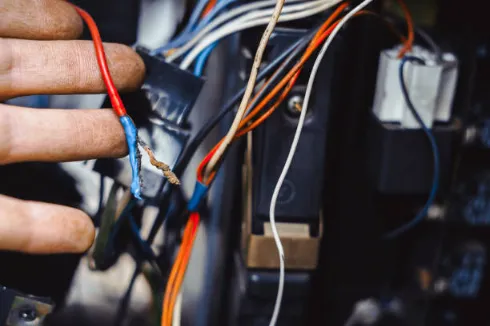
Key Considerations When Selecting Wire Harness Tape
Material Composition and Its Impact on Performance
Choosing the right wire harness tape starts with understanding material composition. Each type—PVC, cloth, fleece—offers distinct advantages.
- PVC tapes are widely used for their affordability and insulation properties. PVC can be very flexible, and is therefore mainly used in the manufacture of insulating tapes and masking tapes, such as those used during plastering.
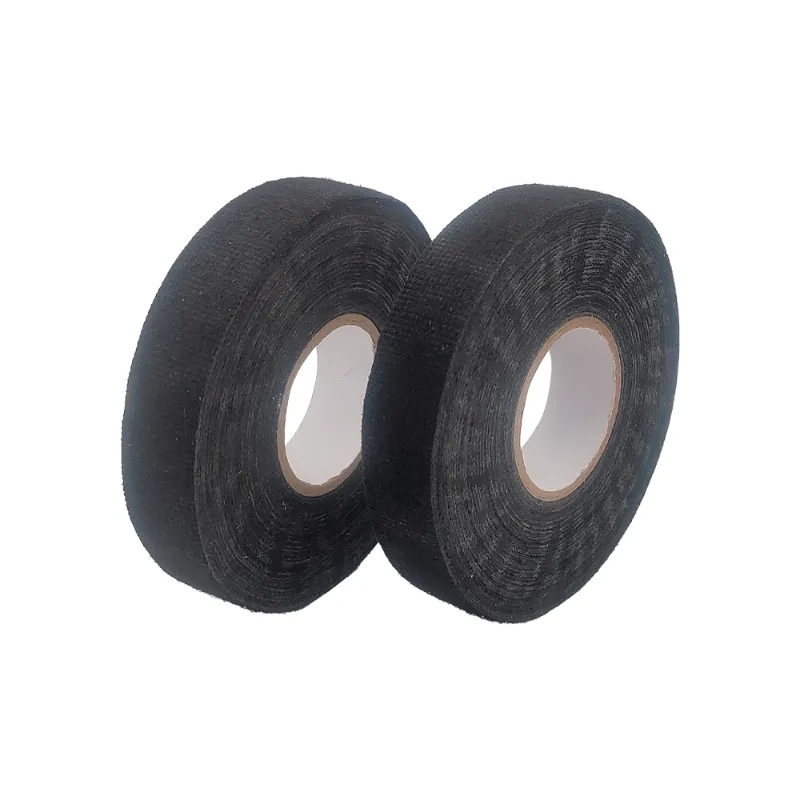
- Cloth-based tapes provide excellent abrasion resistance and strength in flexing zones. Tapes made with fabric and felt as base materials can easily accomplish tasks such as covering cracks, securing wire harnesses, sealing, and splicing.
- Fleece tapes are ideal for interior applications due to their soft texture and noise dampening qualities.
Adhesive chemistry plays a crucial role too:
| Adhesive Type | Key Strengths | Limitations |
| Acrylic | Excellent aging resistance, high temp endurance | Slower initial bond strength |
| Rubber-based | Quick tack, strong on low-energy surfaces | Poor heat and UV resistance |
Acrylic adhesives are generally more suitable for permanent and outdoor applications.
Another overlooked aspect is chemical compatibility. Automotive fluids—like oil, coolant, and cleaners—can degrade some adhesives and backings. Tapes selected for under-hood use must be validated against these exposures.
Temperature Resistance and Environmental Suitability
High temperature tape is not optional—it’s essential. Engine bays can exceed 120°C during operation. PET films possess very unique properties, and due to their thermal conductivity, they are also suitable for heat management tasks in electronic devices.
For UV exposure, especially in wiring routed near windshields or under the chassis, using UV-resistant materials like PET or treated cloth prevents degradation.
In damp zones like wheel wells or doors, corrosion protection is key. Another advantage of acrylic substrates is their excellent resistance to many environmental factors, including sunlight, ozone, temperature, and water.
Noise Damping and Vibration Control Capabilities
Fleece tapes shine when it comes to reducing NVH (Noise, Vibration, Harshness). The velvet fabric has a particularly soft texture and offers unique advantages in noise reduction and vibration damping. Their soft structure acts as a buffer between cables and vehicle body, especially behind dashboards or inside door panels.
Proper wrapping—like spiraling with consistent overlap—enhances this effect. Using fleece in combination with other layers (thermal or adhesive) can further improve performance.
Types of Wire Harness Tape Used in Automotive Applications
Cloth-Based Tapes for Abrasion Protection
- Ideal for wire bundles passing through tight grommets or near moving parts
- Strong yet flexible—easy to apply even on complex bends
- High mechanical durability
Fleece Tapes for Interior Cabin Applications
- Commonly used behind instrument panels and center consoles
- Reduce rattling noises caused by wire vibrations
- Prevent wear against plastic or metal brackets
Notably, QKD Tape’s fleece tape passed rigorous abrasion tests such as GM9909P-2004, demonstrating “After 10,000 abrasion cycles, the base material remains intact, with no cracking.”—a key metric for interior longevity.
PVC Tapes for General Purpose Bundling
- Economical solution for low-stress environments
- Provides basic insulation and color-coded organization
- Not recommended for high heat or high vibration areas
Application Techniques That Improve Tape Performance
Proper Wrapping Methods for Durability
Consistency matters more than tightness:
- Overlap ratio: Usually 50% to 75% ensures full coverage
- Stretch control: Overstretching weakens adhesive grip over time
- Direction: Wrapping in cable bend direction maintains integrity
Surface Preparation Before Tape Application
Adhesion begins with cleanliness:
The bonding surfaces must be clean, dry, smooth, and free of rust and oil stains.Key practices include:
- Wiping with IPA/water mix (1:1) to remove grease
- Using lint-free cloths to dry
- Applying pressure using rollers or scrapers during wrapping
Industry Standards Relevant to Automotive Wire Harness Taping
Key Regulatory Requirements for OEM Compliance
OEMs often demand compliance with standards like LV312 (German) or UL 510 (North America). Flame retardancy is especially important:
QKD’s fabric tape was tested under GB 8410 and achieved A-0 classification: “A-0mm/min,This indicates that the sample did not burn or extinguished before reaching the first mark.”
This ensures that even in a fire event, the tape won’t propagate flames across wire bundles.
Testing Protocols for Tape Performance Validation
Common tests include:
- Peel adhesion strength
- Tensile elongation under stress
- Aging tests simulating 10+ years of vehicle service life
QKD tapes also undergo solvent resistance and thermal cycling tests as per GM9131P and GM9200P protocols.
Common Challenges in Automotive Wiring Applications
Managing Complex Routing Paths in Tight Spaces
With today’s vehicles filled with sensors and modules, harnesses weave through dense architecture. Flexible tapes enable installers to wrap around brackets, ribs, and connectors without compromising protection.
Preventing Wire Damage from Heat or Abrasion
Engine compartments and battery enclosures are brutal on wiring. Using high temperature tape with abrasion-resistant backings—like reinforced cloth or PET—is necessary to avoid long-term failures.
Innovations in Wire Harness Taping Solutions
Integration of Multi-Layer Tapes for Enhanced Functionality
Some advanced solutions combine multiple functions in one tape:
- Outer fleece layer for NVH
- Middle foil layer for heat deflection
- Inner adhesive layer with chemical resistance
These hybrid tapes simplify installation while offering all-in-one protection.
Advances in Adhesive Formulations for Automotive Use
New pressure-sensitive adhesives now maintain hold even when exposed to fluctuating humidity and temperatures between -40°C to 150°C. Acrylic adhesives can withstand a variety of environmental conditions.—making them ideal for EVs and hybrid systems where thermal dynamics vary more dramatically.
Role of Specialized Manufacturers in Advancing Tape Technology
QKD Tape has been instrumental in developing customized harness tape solutions tailored to automotive platforms. Their products are engineered for specific OEM requirements such as high abrasion resistance, thermal endurance, and low fogging interiors.
Best Practices for Long-Term Reliability of Wire Harness Wrapping
Scheduled Inspection and Maintenance Guidelines
Regular inspections during service intervals help spot issues such as:
- Peeling tape ends
- Brittleness due to UV exposure
- Abraded areas needing reinforcement
Technicians should look out for early signs before full failure occurs.
Storage Conditions That Preserve Tape Quality
Tape rolls should be stored at room temperature with <50% humidity to prevent adhesive degradation. Storage conditions: Under normal room temperature and humidity below 50%, the product can be stored for 12 months without affecting its performance.
FAQs
Q: What type of tape should I use near an engine?
Use high temperature tape rated above 125°C with flame retardant backing.
Q: How do fleece tapes reduce noise in vehicles?
Their soft surface absorbs vibration between wires and adjacent parts, lowering NVH.
Q: Are all automotive tapes resistant to oils and chemicals?
No. Always verify compatibility based on application area; engine bay tapes must resist solvents.
Q: Why does my wire harness tape peel off over time?
Common causes include poor surface preparation, overstretching during application, or storage in high humidity.
Q: Can one tape meet both thermal and acoustic requirements?
Yes. Multi-layer tapes developed by companies like QKD offer both heat shielding and sound damping in one.