
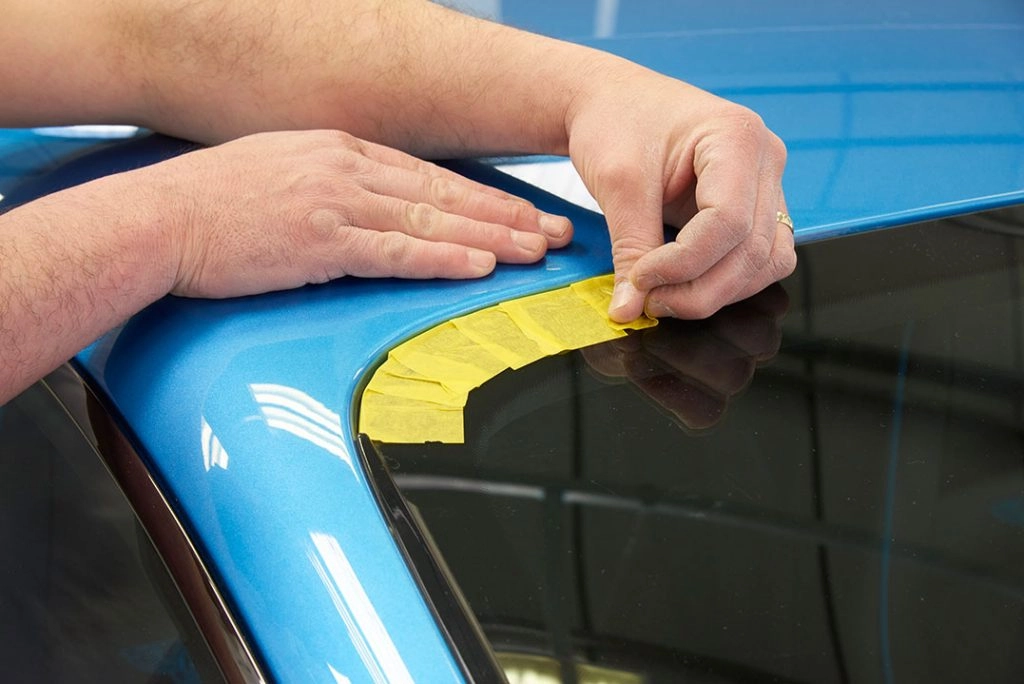
When it comes to getting a top notch finish in automatic car painting, the kind of masking tape you pick can really make or break things. Automotive masking tape and ordinary masking tape might seem alike at first, but they work quite differently in the tough world of auto body jobs.
In simple terms, everyday masking tape just isn’t made to handle the heat, chemicals, and exact needs of pro car refinishing. That’s why picking the correct automotive tape matters a lot.
Key Differences Between Automotive Masking Tape and Regular Masking Tape
Material Composition and Adhesive Formulation
Automotive masking tapes get built specially for car refinishing spots. Their glues stand up to solvents, lacquers, and hot temps without falling apart. This setup works great in spray booths where heat baking happens often.
By comparison, regular masking tapes use basic rubber glues that get soft or wear out when hit with heat or paint shop chemicals. They do okay for home chores, but not for car paint setups.
The backing stuff counts too. Automotive tapes often have crepe paper or plastic backings that bend easily and fit well. So they stick tight around bends, edges, and tricky car shapes—something normal tapes can’t do as well.
Performance Under Temperature and Environmental Stress
In automatic car painting, parts go through hot baking rounds over 100°C. Automotive masking tape keeps its grip during this, and it pulls off neat afterward.
But regular masking tape could melt, twist, or leave gooey bits in those same spots. Even worse, it might split or rip when you take it off after heat, and that could harm the paint below.
Automotive tapes resist UV rays and dampness too. This stops edges from lifting or failing, even if the taped car waits days before the last bake.
Surface Compatibility and Paint Line Precision
Car surfaces like metal sheets, plastic bumpers, or primed bases all have their own traits. Automotive masking tape bonds well with these varied items without messing with clear coats or base paints.
More key, it gives super sharp paint lines. The glue makes a firm seal at the edge, so paint doesn’t leak under or spread out fuzzy.
Regular masking tape misses this sharpness. Its weaker glue might let paint seep or even pull up gentle finishes when removed. That’s a pricey error on fancy cars or complex paint work.
Applications in Automatic Car Painting Processes
Role of Automotive Masking Tape in Professional Spray Jobs
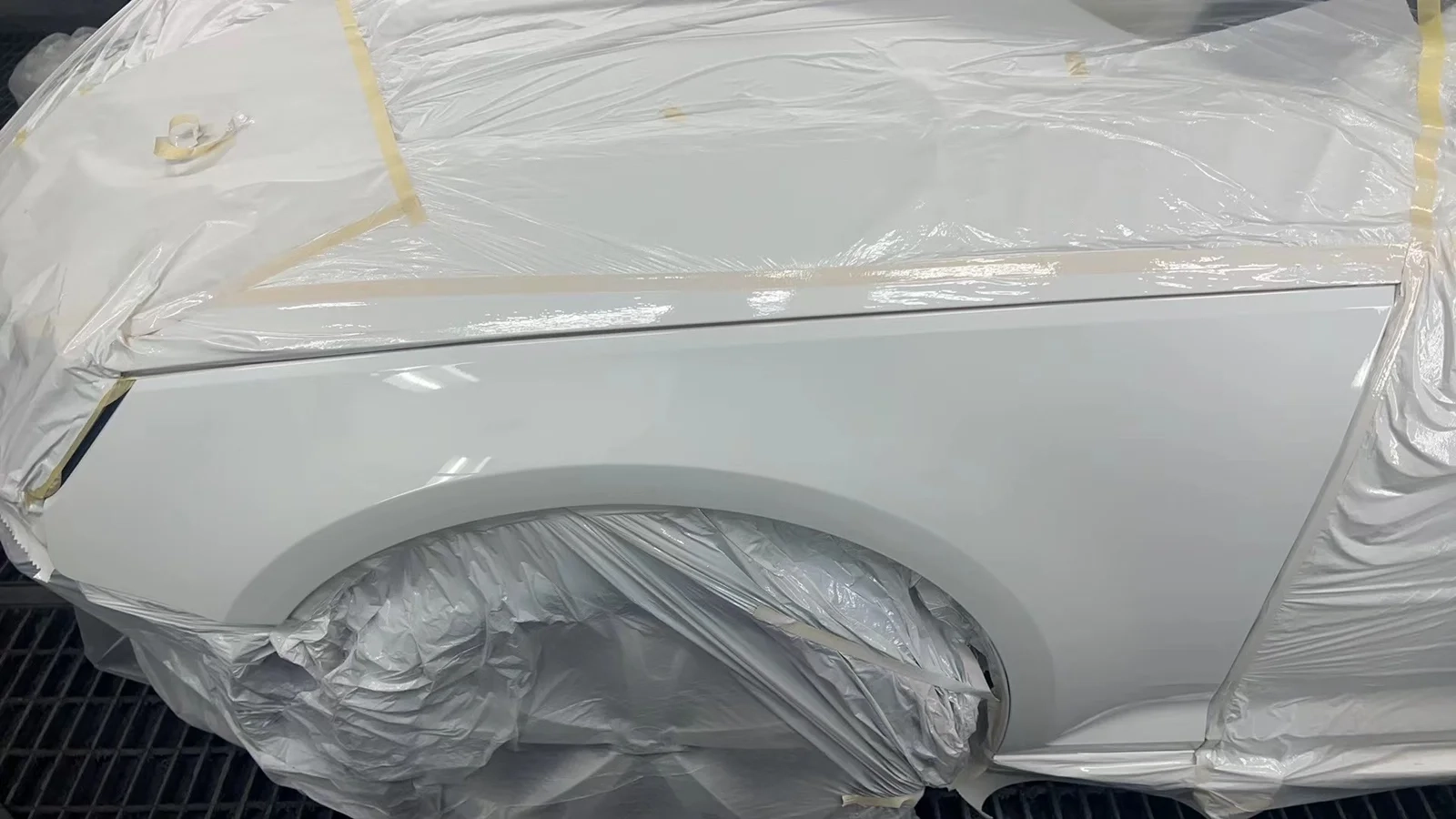
In a pro spray booth, automotive masking tape blocks off painted and unpainted areas. It guards windows, trims, or logos, and it must stay put through priming, painting, and baking—then come off clean with no marks.
Since car bodies aren’t flat much, the tape has to bend into narrow spots and around curvy parts. Standard tapes don’t bend like that.
Automotive masking tapes handle temps up to 120°C or higher in baking without issues—vital in today’s quick dry paint methods.
QKD Tape, as a professional tape manufacturer serving industries like automotive, electronics, and construction, offers a range of automotive masking solutions designed specifically for these demanding tasks.
Limitations of Using Regular Masking Tape in Auto Body Work
Using regular tape in auto body work might look like a way to save money—but it hardly ever turns out good. Here’s why:
- It tends to curl or detach under high heat.
- The adhesive can bleed into the paint.
- It often leaves residue that requires rework.
- Removal might peel off fresh clear coats or delicate base layers.
In short, it hurts both the look and lasting power of the finish. It’s just not worth taking that chance.
Types of Automotive Masking Tapes Used in the Industry
Standard Auto Body Masking Tapes
These are your main tapes for usual car refinishing jobs. They’re great for covering:
- Window edges
- Door handles
- Mouldings
- Trim pieces
Available in widths from 3mm to 50mm, they give options for wide areas and tiny details.
They’re also made for easy hand tearing—no tools needed—and they pull off clean even after long heat bakes.
Foam Tapes for Sealing Gaps and Creating Soft Edges
Foam masking tapes do a different but just as big job. People use them in:
- Door jambs
- Hood gaps
- Trunk seams
The squishy foam fills odd gaps to stop overspray in hollow spots. It also aids in making gentle fades where new paint mixes with old—for fixes on part of a panel.
These tapes fit where stiff ones can’t, cutting down on cleanup and sanding after painting.
As part of its product lineup, QKD Tape delivers foam and crepe based automotive tapes with high solvent resistance and clean removal characteristics. Their expertise in industrial adhesive solutions ensures performance across various substrates and environmental conditions.
Impact on Paint Quality and Surface Protection
How Automotive Tape Prevents Paint Defects During Spraying
A well put automotive tape does several key things:
- Forms a tight edge seal to block paint creep
- Prevents dust ingress into masked off areas
- Ensures clean peel without lifting base layers or leaving adhesive
This focus on details cuts rework time and helps get that sharp factory finish folks want from body shops.
Potential Damage from Improper Tape Selection or Use
Picking the wrong tape—or using it bad—can cause:
- Adhesive transfer onto freshly painted surfaces
- Peeling of clear coats during removal
- Uneven edges or blotchy finishes due to poor adhesion
While these problems might seem small, they can really hit customer happiness and boost work costs from fixes or repaints.
Want perfect results every time? Check out QKD Tape‘s professional automotive masking range: high heat resistance, clean removal, crisp lines.
FAQs
Q: Can I use regular masking tape for car painting?
No, regular masking tape cannot withstand the heat and solvents used in car painting processes.
Q: What temperature can automotive masking tape tolerate?
Most automotive tapes can handle up to 120°C during bake cycles without losing adhesion.
Q: Why does my masking tape leave residue after removal?
This usually happens when using non automotive grade tapes that break down under heat or solvent exposure.
Q: What is foam masking tape used for?
Foam tapes seal off gaps like door jambs and help achieve soft edge blends during partial panel refinishing.
Q: Who manufactures professional automotive tapes?
QKD Tape is a professional manufacturer offering industrial adhesive solutions tailored for automotive refinishing among other industries.