
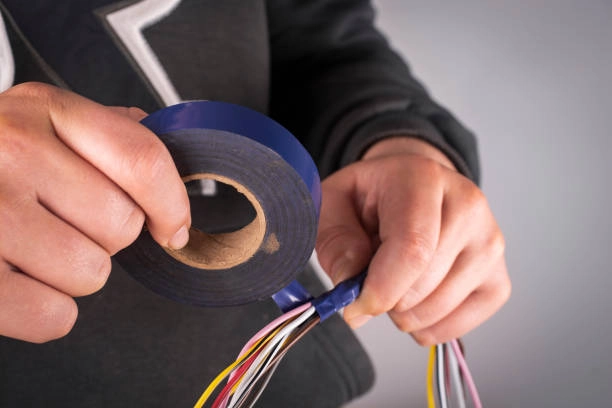
Electrical tape might seem like a simple tool, but using it the wrong way can cause big electrical problems or even start fires. If you’re sealing a cable join or wrapping a bunch of wires, the way you pick and put on your tape really counts. The main thing is to know the stuff, match it to the job, and use the right method. Let’s look closely at how to do it properly.
Understanding Electrical Tape and Its Applications
What Is Electrical Tape and How Does It Work
Electrical tape is a sticky tape that sticks when you press it. People use it mainly to cover electrical wires and other things that carry power. Common kinds include vinyl tape and PVC tape. PVC electrical tapes are famous for their good stretch, bendiness, and way they pull without snapping. This makes them great for covering bumpy spots.
Most types feature a rubber based adhesive that delivers long-term bonding and resistance to moisture, UV radiation, and mild chemicals. But not every tape is the same. Basic tapes might work for quick fixes or inside jobs. Yet pro-level ones bring higher power block and heat limits for hard tasks.
Common Use Cases in Electrical Work
Black electrical tape is often used to cover bare wires or connections in power setups. It’s also key for:
- Grouping wires together to keep things tidy and safe.
- Making water blocks around outside lights or buried cable joins.
- Quick color marks during wire type checks or fixes.
While folks link it mostly with covering, its sealing and sorting skills make it a handy item in an electrician’s kit.
Types of Electrical Tape Based on Material and Use
Different tasks need different tapes. Here’s a fast rundown:
PVC Electrical Insulation Tape:
- Great for everyday inside jobs. Its bendiness lets it fit well around curves.
- Gives extra fire block and weather fight, so it fits industrial or outside work.
As a trusted pvc electrical tape manufacturer, QKD Tape supplies a full range of electrical tapes suitable for both low and high demand environments. Their products are widely used in automotive, packaging, construction, and electronic sectors.
Selecting the Right Electrical Tape for the Job
Evaluating Environmental Conditions Before Use
Before you pick your tape, check where it’s going. Inside jobs often have steady heat and low dampness. So basic vinyl tape usually does the trick. Outside, though, your tape has to handle:
- Sun rays that can break down the sticky part.
- Water or rain that might cause power leaks.
- Heat changes that lead to sticky fails.
If chemicals are around—like in factory spots—you’ll need a PVC tape made to fight oils and cleaners.
Matching Tape Grade to Application Requirements
For low power (under 600V) home wiring, standard vinyl or PVC tape rated for that level can work fine. But for high power setups or motor wires, rubber based self bonding tapes must go first as the main cover. Then add a vinyl wrap for bump protection.
Heat rating is another big point. Most PVC tapes handle up to 80°C (176°F), while special ones can take 105°C (221°F). Always look at the info sheet—guessing isn’t smart.
Proper Techniques for Applying Electrical Tape
The Importance of Half Lapping During Wrapping
When you wrap wires or joins with electrical tape, always use the half overlap way. Each turn should cover half the width of the last one. This makes sure:
- Full cover with no open spots.
- Stronger build by adding to each layer.
- Better water fight through even layers.
It’s an easy tip that boosts how well it works and looks.
How to Stretch the Tape Correctly While Wrapping
Pulling vinyl tape a bit while putting it on wakes up the sticky part. And it helps the tape hug tight to spots. But too much pull can go wrong:
- Too much stretch causes edges to roll or rip.
- Too little leaves weak hold and might unwind.
Aim for medium pull—just enough to seal snug without messing up the tape’s form. Picture it like bandaging a sprain: firm, not super tight.
Common Mistakes to Avoid When Using Electrical Tape
Misusing Electrical Tape as a Wire Connector Replacement
Electrical tape should never take the place of real wire joiners like nuts or blocks. It’s for covering after you make a solid link—not to make the link itself. Counting on tape alone risks:
- Loose spots that build heat.
- Power sparks or even blazes.
Always connect wires with okay ways before you tape over them.
Overstretching or Underlapping During Application
These slip ups often hide—until trouble hits. Signs of bad putting on include:
- Edges that peel.
- Bare wire from tape holes.
- Gooey mess from heat breaking down stretched sticky.
Wrapping again takes just minutes—worth getting it right first time.
Enhancing Performance with Specialty Tapes
In spots with lots of water—like pump wires or buried joins—self fusing rubber tapes do great. They blend into a smooth water proof layer without sticky stuff. This makes them perfect for:
- Outside light setups.
- Underwater pump lines.
- Strong power links that need tight seals.
They’re a top pick for pros in rainy areas or boat spots.
Combining Multiple Tapes for Layered Protection
Using more than one kind of tape isn’t extra—it’s clever planning.
- Begin with rubber based self bonding tape as the first cover.
- Add a vinyl or PVC overwrap (preferably black electrical tape) for scrape fight and sun block.
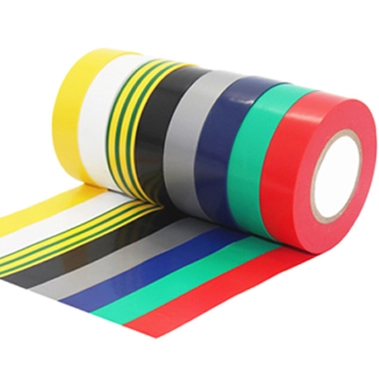
- In tricky wire jobs, color coded vinyl tapes from QKD Tape help spot lines quick during later checks.
Don’t take chances with your electrical work—choose the tape that delivers performance and durability every time. Explore our selection and get started today! Visit QKD Tape for professional-grade electrical tapes that you can trust.
FAQs
Q: Can I use electrical tape on live wires?
No. Always disconnect power before applying any tape to prevent shock or short circuits.
Q: How long does electrical tape last?
Shelf life is typically 5 years when stored properly; in use lifespan depends on conditions but usually ranges from months to several years.
Q: Is black electrical tape the best choice?
Black is common due to its UV resistance but not always best; color coded options can improve identification.
Q: Can I reuse electrical tape?
No. Once stretched and applied, its adhesive and structural integrity degrade after removal. Always use fresh tape.