
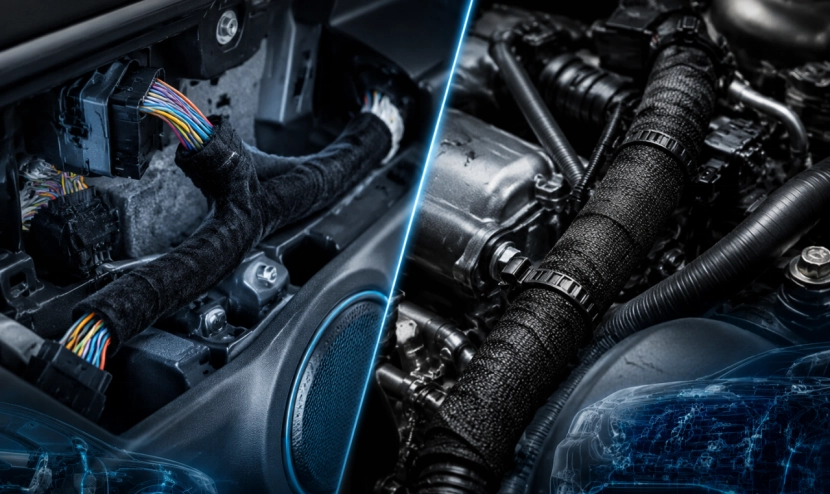
Modern vehicle manufacturing relies on thousands of electrical connections hidden behind panels and under hoods. The unseen heroes keeping those cables safe and organized are wiring harness tapes. Choosing the right tape type—whether PET fleece or cloth—affects not just durability but also how quiet and comfortable a car feels on the road.
The Role of Wiring Harness Tapes in Vehicle Manufacturing
Proper selection of automotive wiring harness tape influences key performance factors such as noise reduction, thermal endurance, and maintenance efficiency. They guard cables from abrasion, vibration, and environmental stress that can degrade insulation over time. Beyond physical defense, these tapes help maintain structured routing within wiring looms, ensuring long-term electrical stability across various vehicle zones.
Fleece Tape: The Interior Silence Specialist
PET fleece tape uses soft polyester fibers. This gives it a gentle but tough surface. The tape bends easily around odd shapes and holds up well against rubbing. Workers can wrap it by hand or use machines on the factory line.
Its soft feel stops squeaks and rubbing noises when wires touch plastic parts inside the car. That helps make the inside feel nicer and quieter.
Key Performance Characteristics of PET Fleece Tape
One big strength of PET fleece tape is how well it cuts noise. It cushions the wires and lowers NVH levels inside the car. Many types can handle temperatures up to 150°C. You can use them near air vents or areas with some engine heat without the glue failing.
The material also stands up to aging and common car chemicals like oil or cleaners. It keeps its surface good even after lots of bending and shaking.
Applications in Automotive Wiring Systems
You see this tape most often inside the passenger area—around the dashboard, doors, roof, and seat wires. These spots need quiet operation more than anything. It works with rubber or acrylic glue and sticks well to PVC wire covering or painted metal.
In electric cars, where everything is already quiet, PET fleece wire harness tape helps keep the cabin peaceful. It does this without adding extra weight or expensive soundproofing.
Cloth Tape: The Engine Bay Protector
Cloth wire harness tape usually comes from woven rayon or cotton fabric with rubber or acrylic glue on the back. The woven texture feels a bit rougher than fleece but gives it stronger pull resistance. This makes it great for protecting wires from sharp metal edges or moving parts.
The open weave lets some heat escape from crowded wire bundles.
Functional Advantages of Cloth Tape in Wiring Protection
Cloth tapes are strong where there is lots of stress. They hold bundles tight during install and don’t tear easily even when pulled hard around corners. They keep sticking well even with oil or changing temperatures in the engine area.
For mechanics doing repairs, cloth tape is still easy to work with and lasts a long time. It gives a good mix of performance and practical use.
Typical Use Scenarios in Vehicles
You usually find cloth tape near engines, along the chassis, in the trunk, and on outside wire runs. It protects against rocks and heat from the exhaust. In these rough areas, toughness matters more than quietness because the conditions are much harder than inside the car.
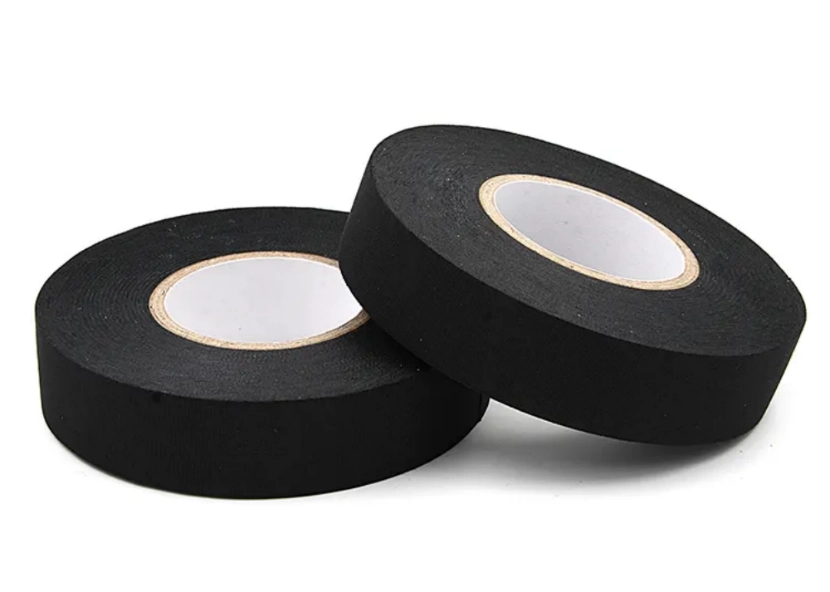
Comparing PET Fleece Tape vs Cloth Tape in Automotive Applications
Knowing the differences helps pick the best tape for each spot instead of using the same one everywhere.
Mechanical Strength and Durability Comparison
Cloth tape has higher tensile strength. It works better in tough spots like engine bays with constant shaking. PET fleece offers great flexibility for tricky interior shapes and gives smooth coverage without too much thickness.
| Property | PET Fleece Tape | Cloth Tape |
| Tensile Strength | Moderate | High |
| Flexibility | Excellent | Good |
| Abrasion Resistance | High | Very High |
| Ideal Zone | Interior Cabin | Engine/Exterior |
Acoustic Performance and Cabin Comfort Considerations
Fleece does a much better job with sound control. Its soft fibers soak up small vibrations that could turn into rattles. Cloth mainly gives mechanical protection. It can reduce some noise but does not absorb sound as well as the plush fleece.
Thermal Resistance and Environmental Stability Analysis
Both tapes handle normal car temperatures. Still, they differ a bit. PET fleece handles mid-to-high heat and chemicals nicely. Cloth stands up better to heavy mechanical stress, hot parts, and oil splashes while keeping its stick.
Installation Efficiency and Cost Factors
PET fleece often goes on faster because of its smooth feel. You don’t need to pull as hard. Cloth needs tighter wrapping but gives longer life in hard conditions. That extra effort pays off on fleet vehicles or trucks that see rough roads and high miles.
Selecting the Right Tape for Automotive Wiring Projects
1. Application Environment
Look at where the wires go. Interior spots need noise control so fleece wins. Exterior or engine areas need toughness so cloth is better.
2. Temperature Range Requirements
Wires near engines need strong heat resistance. Areas near air vents can use PET fleece tape for its good balance of heat handling and noise reduction.
3. Desired Aesthetic Finish
Visible inside parts often look cleaner with fleece. Hidden areas can use cloth with no problem.
4. Adhesive Type Compatibility
Pick the right glue. Rubber types grab fast for quick factory work. Acrylic types hold up better over time against heat and solvents.
Partnering with QKD Tape for Long-Term Reliability
When you need real products, good suppliers matter. QKD Tape makes both PET fleece wire harness tape and cloth versions for car makers. We keep improving the tapes to meet standards like LV312 or VW TL that big companies want.
QKD Tape can make special widths, colors, glues, and roll sizes if needed. We also give technical help for different vehicles—from small EVs to big trucks. Their quality checks make sure every roll works the same in cold starts or hot tests. This helps factories keep running smoothly. Contact us today to discuss suitable tape specifications, adhesive options, widths, colors, and customized solutions for your next automotive wiring project.
FAQs
Q1: What is the main difference between PET fleece tape and cloth wire harness tape?
PET fleece focuses on cutting noise inside the cabin. Cloth focuses on tough protection in engine bays or outside areas.
Q2: Can PET fleece wire harness tape be used near engines?
Yes, many versions handle up to around 150°C. But they work best in moderate heat zones instead of right against very hot metal.
Q3: Why do automakers prefer different tapes for interior vs exterior wiring?
Each area has its own problems. Interiors need to stay quiet. Exterior parts need strong resistance to rubbing and weather.
Q4: Does adhesive type affect long-term reliability?
Yes. Rubber adhesives are good for fast assembly. Acrylic ones resist aging better when exposed to heat.
Q5: How does using proper wiring harness tape improve vehicle quality?
It stops wear problems before they start, lowers noise complaints, makes maintenance simpler, and keeps the electrical system working well for many years.