
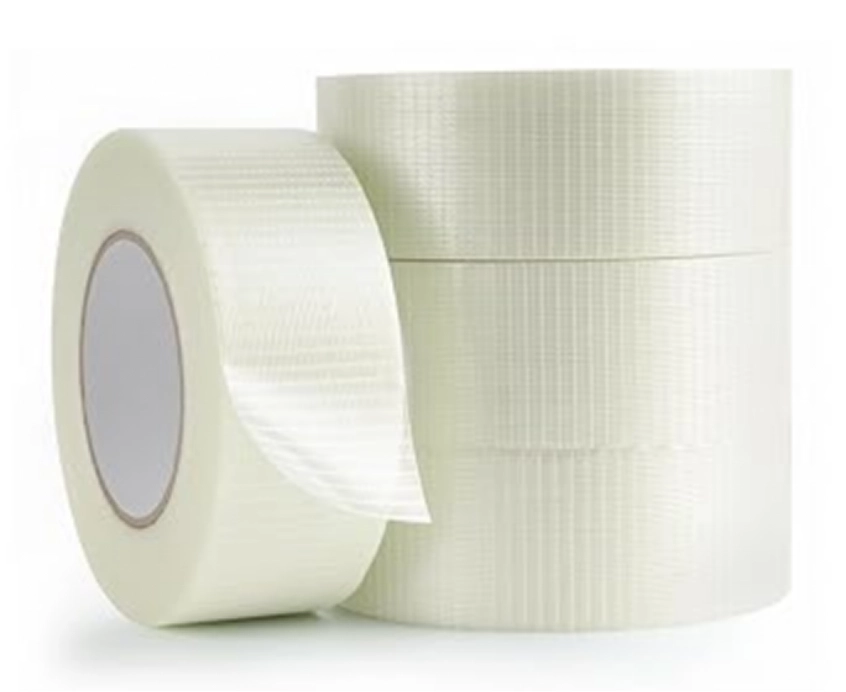
Fiberglass tape adhesive acts as an understated yet essential element in current industry. It mixes solid mechanical power, heat steadiness, and chemical protection. This mix lets it succeed in places where basic tapes break down. You see it in action for insulation, sealing tasks, or added support. The stuff brings reliable results through tough conditions.
What Is Fiberglass Tape
Fiberglass tape adhesive forms a blended product from woven fiberglass cloth topped with a strong adhesive covering. The cloth foundation delivers firm structure. Meanwhile, the layer—usually hotmelt or synthetic rubber—handles sticking and wards off outside harms. When you stack it against usual factory tapes such as PVC or aluminum foil sorts, fiberglass tape pulls ahead in stretch resistance and form steadiness amid strain. It holds its stick at heat points that would wear out nearly all rivals.
Essential Performance Characteristics
A few key features shape how fiberglass tape adhesive operates.
- High tensile strength: Woven glass threads push back against pulls or rips, even under big weights.
- Dimensional stability: It keeps its outline and measurements through heat shifts or force pressures.
- Resistance to heat, chemicals, and abrasion: Such qualities suit it for rough production areas.
- Electrical insulation properties: Fiberglass stays non-power-carrying on its own. That offers protection in electric jobs.
- Flame-retardant capabilities: The fiber setup blocks easy fire starts and cuts flame advance.
These points clarify why businesses lean on fiberglass tapes for guarding and effective output.
Types of Fiberglass Tape Used in Industrial Applications
Different versions of fiberglass tape fit particular work demands. They mostly change in glue makeup and target settings.
Mono Fiberglass Tape
Mono fiberglass tape fills the role of a versatile fix for closing, covering, or backing joints and faces. Construction crews often turn to it for bolstering drywall lines. In packing, it fastens bulky items that could shred standard tapes. It tackles routine challenges head-on.
Fiberglass Insulation Tape
Fiberglass insulation tape gets built for heat management in super-hot spots. Folks apply it near motors, transformers, and wire loops to block heat harm. At the same time, it upholds insulation wholeness. It fends off heat and electric flow alike. So, it serves as a heat wall and power isolator in one.
High Temperature Fiberglass Tape
High temp fiberglass tape draws on targeted glues like silicone or PTFE. These keep steady in wild heat. It delivers solid work in production steps with liquid metals or nonstop oven hits. There, everyday glues would quit, but this holds firm.
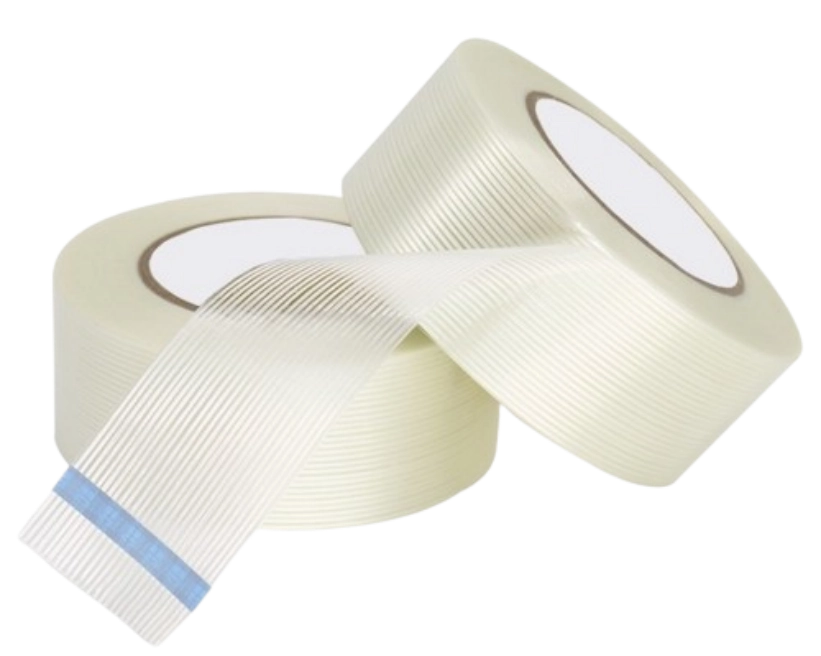
Industrial Applications of Fiberglass Tape Adhesive
The range of fiberglass tape renders it a core tool in various business fields.
Automotive Industry Applications
Auto producers employ fiberglass tape as a guard wrap for exhaust setups and engine bays. Heat jumps around quickly in those areas. It protects wire packs from jolts and beaming warmth. It also fortifies connections facing rub or fuel traces. Overall, parts last longer with fewer upkeep stops.
Electrical and Electronics Sector Uses
Electrical pros use fiberglass insulation tape to secure safe running. It insulates loops, lines, transformers, and circuit builds. In soldering or setup stages with quick heat spikes, the tape stops warmth injury. It peels away residue-free. Its power-hold also backs safety rules for electric tools.
Construction and Building Materials Sector
Construction teams reinforce drywall ties and board edges with fiberglass tape. This curbs cracks as time passes. Fire-safe closing near air channels or frame voids gains from its fire-slowing trait. It shrugs off water uptake. Thus, it works well in moist air, a plus for enduring setups with heat changes.
Packaging and Manufacturing Processes
Manufacturers deploy fiberglass tape adhesive in making to cover warm areas or lock insulation on tubes and gear. It keeps layered blends in spot during sheet bonding pre-harden. For packing tough items hit by rough moves or heat phases, the tape supplies hold and warmth shield.
Key Considerations When Selecting the Right Fiberglass Tape Adhesive
Picking a fitting fiberglass tape calls for checking surroundings next to tech specs.
Evaluating Environmental Conditions
Gauge the heat spans in operation. It’s key since glues don’t all take matching bounds. Moisture can affect the long-term bond strength of adhesives. Similarly, chemicals or sunlight exposure can affect the performance of adhesives under tensile conditions.
Matching Adhesive Type to Application Needs
Hot-melt fiberglass tape usually offers strong initial tack, fast bonding, and cost-efficient performance for general packaging, bundling, and reinforcement applications. Synthetic rubber fiberglass tape is designed for stronger adhesion to difficult surfaces, better flexibility, and higher peel strength, making it suitable for heavier-duty or irregular-surface bonding.
Ensuring Compliance with Industry Standards
Factory users ought to confirm approvals tied to fire defense, like UL94 scores. Power-hold figures per IEC guides. Force output marks assure safety fit in controlled areas such as air or power builds.
Future Trends in Fiberglass Tape Technology
Fresh thinking keeps molding fiberglass tapes for sharper work and green targets.
Advancements in Heat Resistance and Durability
Manufacturers craft fresh lines of glass threads that bear steeper steady run heats. They keep bend intact. This aids in backing new electric rides and green power outfits. Those demand tight but sturdy insulation goods.
Sustainable Production Approaches
Rising green focus pushes use of earth-kind resin setups with low-VOC mixes. Plus, reusable base cloths from recovered glass threads. Outfits like QKD Tape probe shut-loop make ways. They slash scraps while holding item wholeness over reuse turns.
Integration with Smart Manufacturing Processes
Machine work grows in placing fiberglass tapes spot-on in build flows. Clever give tools lock even layer shares and pull rule. It lessens worker slips. At once, it lifts output speed in vast make sites.
Conclusion
You need the proper source when steady excellence counts in diverse factory uses. QKD Tape stresses accurate production with prime fiberglass strands. They weave under managed pull to guarantee evenness. From car build rows to electronics make sites, it yields tuned sticking amid varied outside strains.
For customized fiberglass tape solutions with suitable adhesive types, thicknesses, and roll specifications, contact us to discuss the right product for your industrial application.
FAQs
Q: Is fiberglass insulation tape safe for electrical use?
Yes, its non-conductive glass fibers give fine power-hold. It fits for covering loops and transformer coils.
Q: Can fiberglass tape be used outdoors?
With apt glue choice, it does well outside. Thanks to sun fight and weather toughness.
Q: How do I remove fiberglass adhesive residue?
Mild thinners like isopropyl alcohol typically clear it off. Without harm to base faces, if you take care.
Q: What differentiates hotmelt from synthetic rubber fiberglass tapes?
Hot melt fiberglass tape has strong initial tack and fast bonding speed, while synthetic rubber fiberglass tape is specially designed to have stronger adhesion to difficult to bond surfaces.