
Acrylic foam tape and double-sided tissue tape might seem alike at a quick look, yet their capabilities, makeup, and best uses vary a lot. Picking one over the other affects how well something stays together during tough conditions, shifts in heat, or ongoing wear.
What Is Acrylic Foam Tape
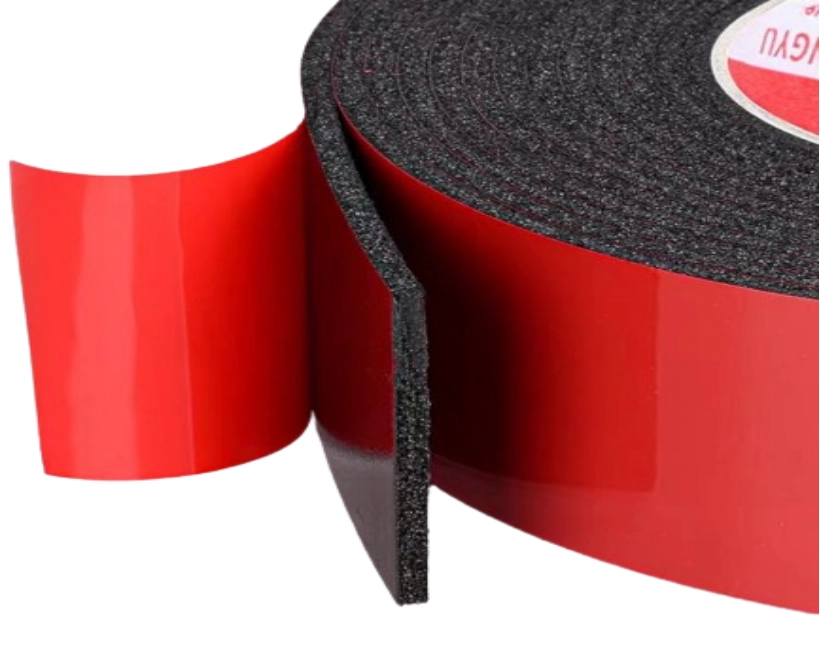
Double side acrylic foam tape comes built for top-notch toughness and excellent sticking power. It handles tough jobs with ease. This tape draws from a flexible acrylic foam that delivers solid grip and adaptability. The foam middle lets the tape soak up shakes, spread out pressure evenly, and hold a lasting connection even on bumpy spots.
People often turn to it for joining metal, glass, and plastic in areas like car building, building work, and gadget assembly. The item boasts strong grip, resistance to both high and low heat, waterproof qualities, protection against dampness, defense from UV rays for outside use, plus shock soaking and damping effects.
What Is Double-Sided Tissue Tape
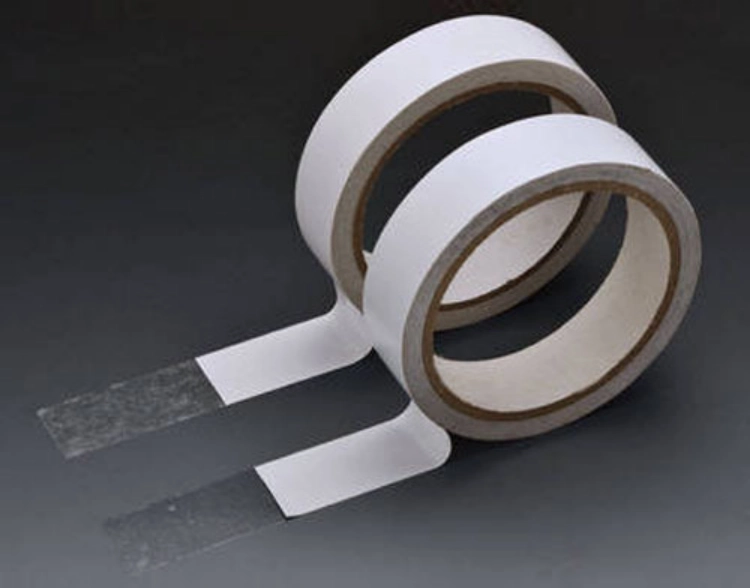
Double sided tissue tape features a tissue base coated with sticky stuff on both faces. The tissue stays soft and pliable, so it clings well to items like paper, plastic, wood, and more. It weighs little and tears easily by hand. The slim tissue layer suits short-term or halfway-permanent sticking jobs—great for paper projects, film covering, or packing tasks.
Many folks use it in homes, offices, sign-making, craft work, and similar spots. This turns it into a daily go-to where fast setup counts more than heavy-duty hold.
Material Composition and Structure Differences
Grasping the inner build shows why these tapes act so differently when facing force or warmth.
Core Materials Used in Each Type of Tape
Acrylic foam tape relies on a dense foam center that takes in strain and rattles well. The foam acts as a buffer between joined parts. On the other hand, tissue tape employs a light tissue paper base for bendiness, which lets you place it exactly without extra thickness.
Adhesive Types and Their Performance
Acrylic foam tapes generally stick with solvent acrylic glues that create enduring links against weather effects. QKD Tape’s double side acrylic tape applies robust acrylic glue on both sides of acrylic and then adds release paper or release film to one side. This setup guarantees steady sticking even on rough items.
Double-sided tissue tapes commonly go for rubber or hot-melt glues that offer quick grab but shorter staying power. Peel strength hits from 16N/25mm to 24N/25mm based on how thick they are.
Performance Comparison in Different Conditions
Strength and Durability Under Stress
Acrylic foam tapes earn praise for their high shear power—perfect when parts need to stay put under machine force or shakes. They can swap out screws or rivets in some setups. Take the QKD-7615 model; it endures 80℃ over long stretches or 140℃ briefly while keeping 60N/inch peel strength.
Tissue tapes do fine in easy jobs but don’t suit hard work. They excel where bend or easy pulling off matters over carrying weight.
Resistance to Temperature, Moisture, and UV Light
Surroundings often pick which tape lasts longer.
| Condition | Acrylic Foam Tape | Double-Sided Tissue Tape |
| Temperature Resistance | -20℃ to 140℃ depending on model | -20℃ to 140℃ (short-term) |
| Moisture Resistance | Excellent; waterproof | Moderate; indoor preferred |
| UV Resistance | High; suitable outdoors | Limited; may degrade over time |
QKD Tape points out that double sided acrylic foam tape stands up to weather, UV light, and heat swings. The tissue kind gives some weather protection but works best inside.
Application Scenarios Across Industries
Both tapes appear in many fields, but they fill very separate roles there.
Automotive Industry Uses
In cars, where shakes hit hard, acrylic foam tape helps in auto machine work to cut down rattles, bumps, and sounds. It firmly attaches trim, badges, panels, or labels without metal fasteners.
Tissue tape suits lighter tasks—for instance, sticking inner tags or short-term cover films in assembly. You can pull it off easily later.
Electronics and Appliance Applications
For gadgets, double sided acrylic foam tape fixes electronic parts like circuit boards to block static sparks. It also joins screens or metal cases where exact lining up counts.
Tissue tapes fit better for light pieces such as insulating sheets or wire covers in machines. Their slim profile avoids messing with tight spaces.
Packaging and Construction Applications
Packing operations lean on tissue tapes since they apply fast. Teams use it to close envelopes, boxes, and small shipments with speed. Acrylic foam tapes, however, go into building upgrades for insulating, sealing, and setting up decor panels thanks to their forever-stick ability.
Ease of Use and Handling Differences
How fast you set it up often shapes work flow, so the way you handle it proves just as key as its sticking force.
Installation Process Comparison
Acrylic foam tapes call for readying the surface: wipe away dirt or grease, then press down hard to get full touch with the sticky layers. Its foam back molds readily to uneven spots, which eases setup in factory settings.
Tissue tapes keep things straightforward—they tear by hand, no tools needed. The soft base lets them bend to various surfaces well. That cuts time in hands-on building jobs.
Removal and Rework Considerations
Since acrylic foam makes a halfway-permanent link, it could leave bits behind when you take it off, particularly after extended time. Tissue tapes tend to come away neat if you remove them soon from smooth stuff. This gap affects if your work lets fixes later without harming the base.
Choosing the Right Tape for Your Application Needs
You pick between these based on surroundings, making methods, and how it performs, not just cost.
Factors to Consider Before Selecting a Tape Type
A handful of questions can guide your choice when deciding:
- What kinds of surfaces join together—sleek glass or absorbent cardboard?
- Does the connection carry weight or face shakes?
- Does it face mostly inside dampness or outside sun?
- Do you need the link to last forever?
If answers point to solid hold under strain, go with double side acrylic foam tape. For bend, simple shifting, and budget smarts, double-sided tissue tape serves well. Many people find that matching the tape to these needs boosts results in real projects.
Why Partner with QKD Tape for Industrial Adhesive Solutions
QKD Tape delivers full OEM/ODM help, offering tailored sticky fixes that match exact work demands. With more than 15 years under its belt, the company blends fresh research with tight quality checks to make sure each roll hits the mark on performance. Our lineup spans car, gadget, and building areas worldwide, mixing top sticking, toughness, and all-around use in a brand that puts trust first. Contact QKD Tape today to compare acrylic foam tape and double-sided tissue tape options, get expert guidance, and request a custom adhesive solution for your application.
FAQs
Q1: What is the main difference between acrylic foam tape and tissue tape?
Acrylic foam tape has a thicker viscoelastic core designed for structural bonding; tissue tape uses thin paper backing suited for light-duty tasks.
Q2: Can double-sided tissue tape handle outdoor use?
Only temporarily—it may lose adhesion under moisture or UV exposure unlike acrylic foam versions built for outdoor environments.
Q3: Is surface preparation necessary before applying these tapes?
Yes especially for acrylic foam types which need clean,dry surfaces for full contact strength.
Q4: Which industries rely most on acrylic foam tapes?
Automotive,electronics,and construction sectors use them extensively due to vibration resistance and weather durability.
Q5: Can I remove these tapes without residue?
Tissue tapes usually remove cleanly within short periods;acrylic foams might leave traces if detached after long-term bonding.