
Why Electrical PVC Insulation Tape Matters for Safety
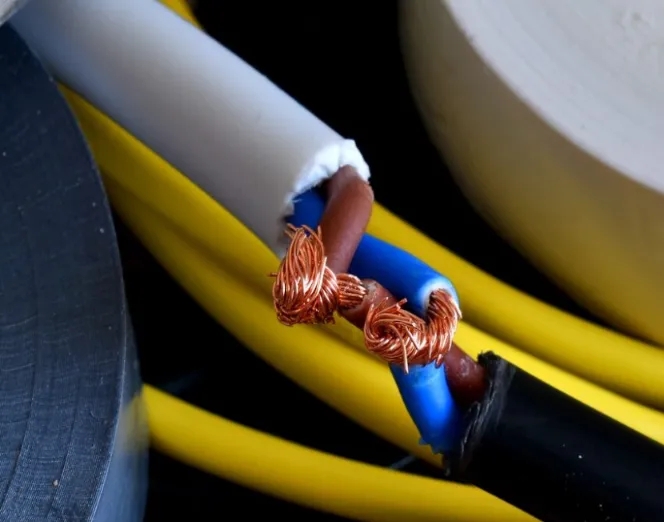
Electrical PVC insulation tape, often just called PVC electrical insulation, serves as a key barrier in electrical setups. This flexible tape wraps around wires to prevent current leaks and protect against environmental factors.
People use it in everyday home repairs, like fixing a frayed lamp cord. In electrical engineering, it secures connections in panels. Industrial settings rely on it for machinery wiring. No matter the scale, this tape keeps things running smoothly.
But skip the safety steps, and risks pile up. Short circuits can spark fires. Exposed wires lead to shocks. Even small oversights turn into big hazards.
This piece shares practical tips to handle electrical PVC insulation tape right. Stick to these, and cut down on those dangers. Think of it as basic gear for anyone tinkering with wires.
Tip 1: Select the Right Grade of PVC Insulation Tape
Know the Basics of Insulation PVC Tape
Insulation PVC tape stands apart from regular duct tape or masking tape. It resists electricity and holds up under stress. Ordinary tapes might melt or fail, but proper insulation tape PVC stays put.
Look at temperature ratings first. Some tapes handle high heat, others crack in cold. Voltage levels matter too—high voltage spots need tougher stuff.
Check for Flame Resistance and Weatherproofing
Flame retardant grades stop fires from spreading. That’s crucial in tight spaces like attics or engine rooms. Durability against weather comes in handy outdoors.
For high voltage electrical applications, pick PVC insulation tape rated for the job. Black PVC electrical tape often fits general use, but check specs. Sometimes a quick label read saves headaches later.
Tips for Choosing in Tough Environments
High pressure lines demand tapes that won’t degrade. Go for ones tested for extreme conditions. Brands vary, so compare options. A little research upfront avoids redo work.
Tip 2: Ensure Proper Surface Preparation Before Applying Tape
Clean and Dry the Area
Start with a spotless surface. Dust, grease, or moisture ruins adhesion. Wipe wires with a clean cloth. Let them air dry if damp.
Oil from hands or tools causes slips. Use alcohol wipes for stubborn grime. This step keeps the tape gripping tight.
Handle Old Tape Removal Carefully
Before slapping on new black PVC insulation tape, inspect old layers. Peel them off gently to avoid nicking wires. Damaged conductors spell trouble.
If the old tape feels sticky or brittle, replace the whole section. Better safe than dealing with failures down the line.
Prevent Adhesive Issues
Wet spots lead to PVC tape adhesive failure prevention headaches. Dry everything thoroughly. In humid spots, work fast or use fans.
Follow these, and the bond lasts longer. It’s simple stuff that pays off.
Using a tape with controlled stretch and consistent edge stability, like QKD Tape’s black PVC electrical tape, helps prevent adhesive failure during long term use.
Tip 3: Avoid Overstretching and Incorrect Wrapping Techniques
Get the Wrapping Basics Down
Wrap with half overlaps for full coverage. Start from the end and work toward the source. Keep tension even—not too loose, not too tight.
Direction counts. Wind in the same way as the wire twists to avoid unraveling. This locks it in place.
Why Stretching Too Much Hurts
Overstretching thins the tape, making it prone to cracks. Adhesive weakens over time. Heat or movement speeds up the breakdown.
Common mistakes using PVC electrical tape include yanking hard. Ease up, and it holds better. Practice on scrap wire first.
Step by Step Wrapping Guide
- Cut a length of tape longer than needed.
- Anchor one end firmly.
- Pull gently while wrapping.
- Smooth out bubbles as you go.
How to wrap electrical wires with PVC insulation tape takes a few tries. Insulator PVC like this forgives small errors if basics are solid. Black PVC tape hides overlaps well, but function over looks.
Ever notice how pros make it look easy? It’s all in the steady hand.
Tip 4: Match the Tape Rating to the Working Environment
Adapt to Different Settings
Industrial spots need PVC electrical tape for industrial use that withstands vibrations and chemicals. High heat areas call for tapes that don’t soften.
Outdoors, UV rays fade regular tape. Pick weather resistant types. Durability shines in tough spots.
Use Colors for Identification
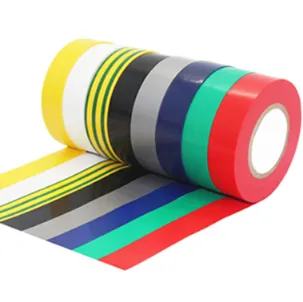
Blue PVC tape marks low voltage lines. Green PVC tape signals grounding. Brown PVC tape suits certain phases. Grey PVC tape handles neutral wires. Purple PVC tape flags special circuits.
Colors help spot issues fast. In crowded panels, this organization cuts confusion.
Width and Long Term Use
Black PVC tape 50mm wide works great for bundling. It covers more area without gaps. For outdoor bundling, wider tape resists wind and rain.
PVC insulation tape durability depends on matching the environment. Skip this, and replacements come sooner than expected.
For harsh outdoor or industrial environments, choosing a certified PVC electrical insulation tape such as QKD Tape’s high temperature PVC series ensures better durability and moisture resistance.
Tip 5: Inspect and Maintain Your Insulated Wiring Regularly
Spot Signs of Wear
Check for cracks or peeling on PVC insulation tape. Fading colors hint at sun damage. Sticky residue means adhesive breakdown.
Different colors age uniquely. Black PVC electrical tape might turn brittle. Others crack or discolor.
Set a Maintenance Schedule
Inspect monthly in high use areas. Replace every few years, depending on exposure. Harsh conditions speed up wear.
This routine boosts electrical safety. Catch problems early, avoid outages or worse.
Handle Replacements Smartly
When swapping, clean surfaces again. Use fresh tape. PVC tape adhesive failure prevention starts with good habits.
Maintenance isn’t glamorous, but it keeps systems reliable. Think of it as routine checkups for your wiring.
Safe Use of PVC Electrical Insulation Tape Prevents Major Risks
Wrapping up, remember these five tips: pick the right grade, prep surfaces well, wrap correctly, match to the environment, and inspect often.
PVC electrical insulation plays a big role in preventing shocks and fires. Handle it right, and risks drop sharply.
Choose quality products. Follow best practices. How to use PVC electrical insulation tape safely boils down to attention to detail.
Best PVC insulation tape for electrical safety comes from trusted sources. Stay vigilant, and electrical work stays hassle free.
Choosing a reliable PVC electrical insulation tape is essential for long term electrical safety. Brands like QKD Tape provide industry grade options suitable for home repairs, electrical projects, and industrial applications.
FAQ
Q: Is PVC electrical insulation tape safe for wiring?
Yes. PVC electrical insulation tape is safe for wiring when used correctly and matched with the proper temperature and voltage rating.
Q: Can PVC insulation tape be used on exposed or damaged wires?
PVC insulation tape can be used for minor repairs, but severely damaged wires should be replaced or fixed with proper connectors.
Q: What temperature can PVC electrical tape withstand?
Most PVC insulation tapes handle temperatures from about −18°C to 80–105°C depending on grade and quality.
Q: Why does electrical tape lose adhesion over time?
Adhesion failure usually occurs due to heat, moisture, overstretching during application, or using low-quality PVC tape.
Q: Can PVC electrical tape be used outdoors?
Yes, but outdoor use requires weather-resistant PVC electrical insulation tape with UV and moisture protection.