

The Shift from Mechanical Fastening to Adhesive Solutions
Nails and screws have ruled the roost in construction and assembly for ages. But times change. Modern materials and sleek designs push industries toward adhesive bonding. Double sided foam tape steps in as a fresh fastening option.
QKD Tape’s engineers spot this shift everywhere, from electronics to automotive fields. Based on years of application experience, they have seen how adhesives reshape product design.
The Limitations of Nails and Screws in Modern Applications
Traditional fasteners like nails and screws come with baggage. They concentrate weight in one spot, leading to stress cracks in materials. Think about a delicate panel splitting under pressure.
Aesthetics take a hit too. Visible holes and marks mar surfaces. No one wants that eyesore.
Corrosion sneaks in over time, especially in damp environments. Vibration? It loosens things up, causing failures.
Installation eats up labor hours. Drilling, aligning, tightening—it’s tedious. Plus, they don’t play nice with all materials. Plastics or composites often suffer.
Sometimes, folks overlook how these issues stack up in high-volume production. A small flaw turns into a big headache.
What Makes Double Sided Foam Tape a Better Solution
Double sided foam tape flips the script. It spreads stress evenly across bonds, ensuring stability that lasts. Surfaces stay pristine. No drilling means no holes or damage. Clean looks win every time.
Shock absorption stands out. The foam dampens vibrations, perfect for moving parts. Application? Quick and easy. Slap it on, press, done. Assembly lines speed up.
It bonds metals, plastics, glass, even composites without fuss. Many industrial users switch for lightweight builds. At QKD Tape, technical teams highlight how foam tapes boost function and appearance in designs.
Occasionally, people doubt adhesives at first. But once they try, the reliability shines through.
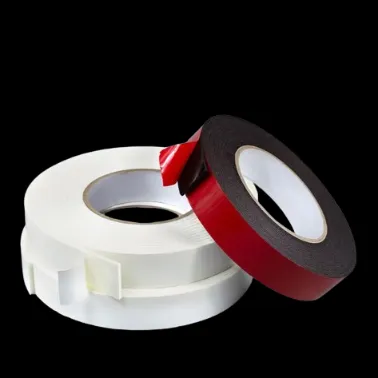
Comparing Performance: Foam Tape vs Nails and Screws
Let’s stack them up side by side. Strength first. Foam tape offers solid peel strength, often holding over 20 pounds per inch. Nails and screws? They grip tight initially, but fatigue sets in.
Aesthetics favor tape. Hidden bonds versus ugly holes. Vibration resistance? Tape absorbs shocks; fasteners rattle loose. Waterproofing seals the deal with tape. It resists moisture better in sealed setups. Weight drops with tape—no heavy hardware. Installation time? Minutes versus hours.
QKD Tape’s test data shows tape joints outlasting screw-fixed ones in fatigue trials.
Data like this builds confidence. Peel strength, holding power—they matter in real scenarios.
Key Comparison Metrics
- Strength: Foam tape distributes load; screws focus it.
- Aesthetics: Tape hides away; fasteners show marks.
- Vibration Resistance: Foam damps noise; screws vibrate free.
- Waterproofing: Tape seals gaps; nails invite rust.
- Weight: Lighter with tape.
- Installation Time: Faster application.
High quality foam tapes can achieve a peel strength of up to 20 N/inch, significantly outperforming screws in situations where materials may be prone to cracking or stress. Additionally, foam tape provides exceptional holding power—with some products offering up to 5 hours of sustained adhesion under load.
Hidden strength under clean surfaces—that’s tape’s edge.
Real-World Applications Where Foam Tape Outperforms Fasteners
In automotive work, foam tape shines. Interior panels stick firm without screws. Nameplates and trim hold steady. Vibration zones? Tape quiets them down.
Electronics benefit big. Screens bond securely. Components fix in place. Cable management stays neat, no loose ends.
Construction and décor see gains. Mirrors mount without drills. Signage installs quick. Panels go up smooth.
Packaging uses tape for clean closures. No damage to boxes or contents. In projects backed by QKD Tape, foam tapes cut weight and speed installs.
Take a car assembly line. Switching to tape shaved hours off production. Or an electronics factory—fewer defects from vibration.
These stories show practical wins.
Environmental and Safety Benefits
Drilling skips with tape, so less dust flies around. Fewer hazards for workers. Material waste drops. No discarded scraps from holes. Noise pollution eases up—no hammering or screwing sounds.
Lighter assemblies mean lower fuel for transport. Energy savings add up. VOC-free options fit eco rules. Sustainable choices matter now. Safety gets a boost. Clean sites reduce slips or injuries.
It’s not just about green labels. Real impacts on daily operations count.
How Engineers Can Transition from Screws to Foam Tape
Making the switch starts simple. Check bonding surfaces first. Cleanliness counts—wipe off dirt or oils. Surface energy matters. Test if materials grab adhesive well. Pick the right foam density. Thicker for gaps, thinner for flat joins.
Adhesive type? Acrylic for outdoors, rubber for quick stick.
Test small samples. Apply, wait, pull. See how it holds.
Scale up once proven.
Step-by-Step Guide
- Clean surfaces thoroughly.
- Cut tape to size.
- Peel one side, apply to first surface.
- Press firm for 10-20 seconds.
- Align second surface, press again.
Infographics help visualize this. Prep tips like using primers for tricky materials pay off. Engineers often find the process intuitive after a trial run.
Future of Adhesive Bonding in Industrial Design
Lightweight materials rise. Miniaturization demands slim bonds. Smart adhesives emerge—with thermal or electrical features. Foam structures evolve. Stronger, more flexible.
Innovation keeps rolling. Industries adapt fast. Picture adhesives that self-heal or conduct signals. That’s on the horizon. Bonding tech pushes boundaries.
Conclusion: Simplicity, Strength, and Aesthetics in One Solution
Foam tape delivers structural perks, clean looks, and easy ops. It outpaces nails and screws in many spots. Rethink old habits. Modern needs favor adhesives. For engineers and designers chasing efficiency, double sided foam tape sets the bar.
Ready to Experience the Power of Foam Tape?
Contact QKD Tape today to discuss how our foam tape solutions can transform your projects. Request a sample or speak with our experts to find the perfect adhesive for your needs!
FAQ
Q: What are the main problems with using nails and screws?
A: They cause stress cracks, leave visible holes, loosen from vibration, corrode over time, and take longer to install.
Q: How does double sided foam tape handle vibration better than screws?
A: The foam core absorbs shocks and damps movement, while screws can rattle loose under the same conditions.
Q: Can foam tape really hold as much weight as mechanical fasteners?
A: Yes—peel strength often exceeds 20 pounds per inch, and it distributes load evenly for long-term stability.
Q: What surfaces work best with double sided foam tape?
A: It bonds metals, plastics, glass, and composites. Just clean the surfaces and match the adhesive type.
Q: Is foam tape safe and eco-friendly for industrial use?
AIt cuts dust, noise, and waste; lighter parts save transport energy, and VOC-free versions meet green standards.