
Why PET Cloth Tape Matters in EV Wire Harnesses
Electric vehicles push boundaries in automotive tech. Their wire harnesses deal with more complexity than ever. High voltages, tight spaces, and constant vibrations create real headaches for engineers.
Think about it. EVs generate serious heat from batteries and motors. That heat can degrade materials over time. Vibrations from the road loosen connections. Longevity becomes a big issue as these vehicles aim for hundreds of thousands of miles.
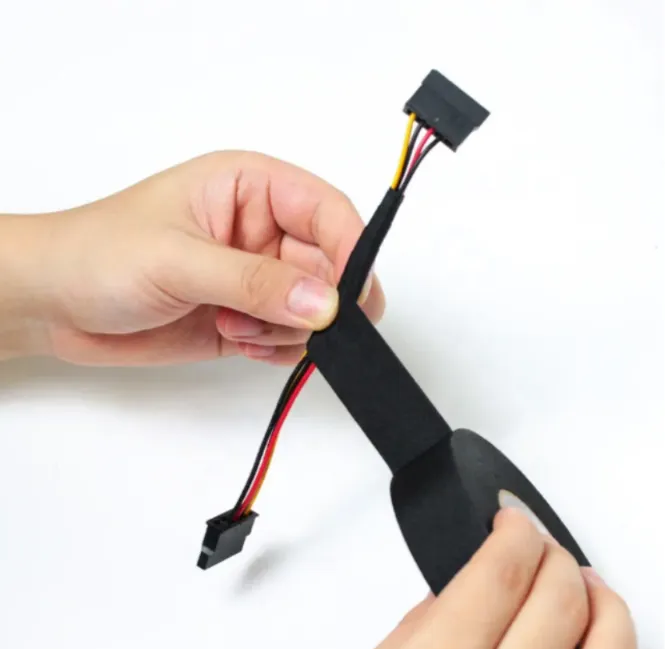
PET cloth tape steps in as a hero here. It offers solid protection for EV wire harnesses. This tape wraps around wires to shield them from wear and tear. It helps maintain safety and performance in demanding conditions.
Without proper protection, wire harnesses risk failure. That could lead to costly repairs or safety hazards. PET cloth tape addresses these EV wire harness protection needs head-on.
EV Wire Harness Challenges
EV wire harnesses face unique demands. High-voltage systems mean wires carry more power. Space is limited inside the vehicle. Heat builds up quickly, and vibrations never stop.
Common problems pop up often. Abrasion wears down insulation. Electrical arcing poses fire risks. Noise and vibrations, or NVH, annoy drivers. Connections might loosen over time. Heat causes materials to break down faster.
High voltage wiring in EVs amplifies these issues. Traditional setups in gas cars don’t deal with 400V or 800V systems. Durability suffers without the right materials.
Engineers know these pain points well. They look for solutions that boost harness durability. PET cloth tape helps tackle these EV harness challenges effectively.
High-quality PET cloth tapes, such as those engineered by QKD Tape, offer enhanced abrasion resistance and long-term heat stability required for EV power harnesses.
What is PET Cloth Tape? Material & Construction
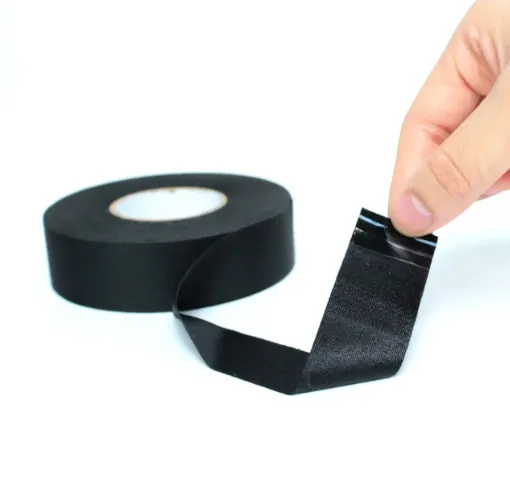
PET cloth tape refers to a specialized adhesive tape made from polyethylene terephthalate fabric backing. It stands out in automotive applications for its toughness.
The backing uses woven PET fibers. These provide flexibility and strength. Adhesive layers bond securely to wires. Thickness varies, often from 0.1mm to 0.3mm. Temperature ratings reach up to 150°C or more.
Durability comes from the weave. It resists tears and cuts. Abrasion grades follow standards like ISO 6722. That ensures it holds up in harsh environments.
Cloth adhesive tape for automotive use includes variants. Some have acrylic adhesives for better heat resistance. Others focus on easy removal without residue.
PET beats out other materials in many ways. It’s lightweight yet robust. No wonder it’s a go-to for EV setups.
How PET Cloth Tape Protects EV Harnesses
PET cloth tape delivers multiple layers of defense. It starts with heat resistance. EVs run hot, but this tape handles temperatures from -40°C to 150°C without losing grip.
Abrasion resistance shines too. Wires rub against sharp edges in tight spaces. The cloth backing absorbs impacts, preventing cuts and wear.
Heat and Cold Performance
In extreme conditions, materials matter. PET cloth tape maintains adhesion in scorching battery compartments. It doesn’t crack in freezing winters either.
Guarding Against Wear and Impact
Daily driving brings bumps and jolts. Tape wraps protect harnesses from chafing. That extends life and cuts down on failures. Vibration control is key. Loose wires lead to poor connections. PET tape bundles them tightly, reducing movement. It dampens vibrations that could cause fatigue.
NVH reduction adds comfort. The fabric absorbs sounds from rattling wires. Drivers notice the quieter ride in EVs. Insulation helps prevent arcing. High-voltage systems need reliable barriers. PET cloth tape adds an extra shield against electrical issues.
For abrasion resistant PET cloth tape for high voltage wire harness, it’s all about layering protection. Simple wraps make a big difference.
Manufacturing & Application Best Practices
Applying PET cloth tape right ensures top performance. Start with clean surfaces. Dirt weakens bonds.
Cutting comes next. Use sharp tools for clean edges. Avoid fraying that could snag during assembly.
Wrapping Techniques
Wrap with consistent tension. Too loose, and protection slips. Too tight, and wires stress. Aim for 50% overlap on each turn. Automated machines speed things up in factories. They apply tape evenly. Hand wrapping works for prototypes or repairs, but consistency varies.
Quality checks are essential. Inspect for gaps or bubbles. Test adhesion after application. In wire harness factories, coordination with OEMs matters. Share specs early. Discuss custom widths or colors.
Manufacturing best practices for EV wire harness tape wrap include training. Workers need to know the ropes to avoid common mistakes. Sometimes, a quick test wrap reveals issues. Adjust as needed before full production.
Selecting the Right PET Cloth Tape for EV Applications
Choosing tape involves key specs. Temperature grade tops the list. Look for ratings that match EV demands.
Abrasion levels per ISO 6722 reports guide decisions. Thickness affects flexibility. Adhesive types vary—acrylic for heat, rubber for quick stick.
Compare to alternatives. PVC tape is cheap but brittle in cold. Film tapes lack breathability. PET cloth tape offers better all-around performance.
Key Specs to Consider
- Temperature resistance: Up to 150°C continuous.
- Abrasion class: Class D or higher for tough spots.
- Thickness: 0.25mm for balanced protection.
- Adhesive: Non-corrosive to wires.
For how to select cloth tape for EV wire harness manufacturing, test samples. Run them through simulated conditions.
OEMs should seek certified suppliers. Ask for data sheets and references. Custom formulations might solve specific needs.
Tape specs for EV wiring evolve with tech. Stay updated on standards.
Emerging Trends & Future Outlook
EV tech moves fast. Sustainable materials gain traction. Recyclable PET reduces environmental impact. Lightweight designs help efficiency. High-voltage systems at 800V demand tougher tapes.
Intelligent tape concepts emerge. Some embed sensors to monitor wear. That allows predictive maintenance. Automation grows in manufacturing. Robots apply tape precisely, boosting speed.
Future of EV harness protection looks smart. Eco-friendly options appeal to green-focused buyers. Sustainable tape materials fit broader industry shifts. Think about how that changes supply chains.
Intelligent tape might seem futuristic, but prototypes exist. They detect issues before failures.
Ensuring EV Harness Safety with Quality Tape
PET cloth tape plays a vital role in EV wire harness protection. It tackles heat, wear, and vibrations head-on. Reliable tape solutions keep vehicles safe and efficient. Consider partnering with expert suppliers for custom needs.
EV harness safety depends on quality materials. Don’t skimp here—it’s worth the investment.
Encourage exploring options. Professional advice can make all the difference in harness longevity.
To ensure maximum safety and durability in EV wire harnesses, choosing a reliable PET cloth tape supplier is critical. QKD Tape continues to support EV manufacturers with high-performance, automotive-grade solutions.
FAQ
Q: What is PET cloth tape used for in EV wire harnesses?
PET cloth tape is used to protect EV wire harnesses from heat, abrasion, and vibration, ensuring long-term durability in high-voltage environments.
Q: Why is PET cloth tape better for EV applications than PVC tape?
PET cloth tape offers higher heat resistance, better abrasion protection, and superior vibration damping—ideal for EV powertrain and high-voltage cable areas.
Q: How does PET cloth tape help reduce noise and vibration in electric vehicles?
Its fabric backing absorbs vibration and prevents wire-to-wire contact, reducing NVH issues like rattling inside EV cabins.
Q: Is PET cloth tape suitable for high-temperature EV environments?
Yes. Automotive-grade PET cloth tape withstands high temperatures under the hood and around battery packs, maintaining adhesive stability over time.
Q: What factors should EV manufacturers consider when choosing PET cloth tape?
Key factors include heat rating, abrasion resistance, adhesive strength, thickness, and compliance with automotive OEM standards.