
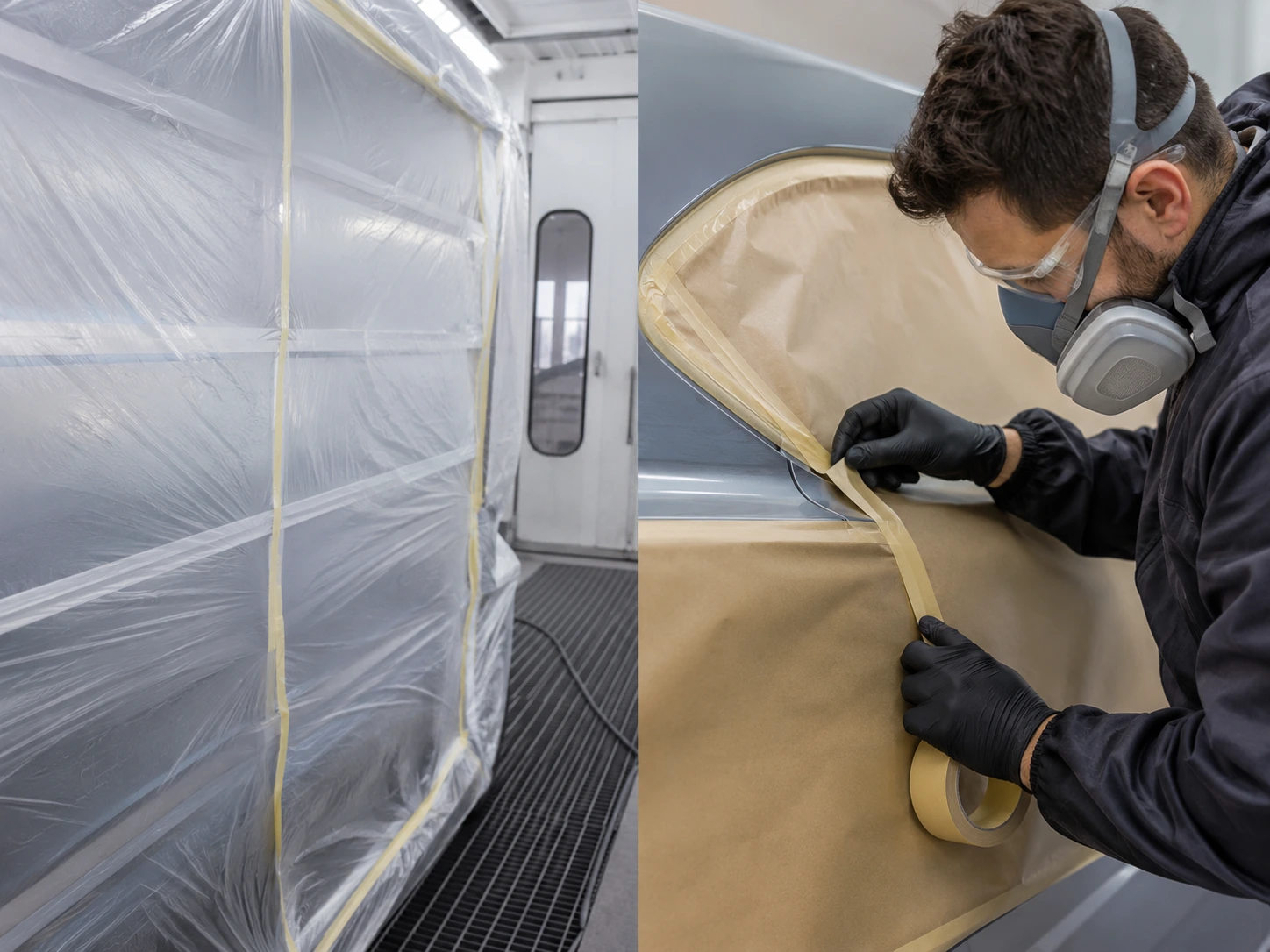
When you’re choosing between pre-taped masking film and masking paper tape, the main points are size, how exact you need it, and where you work. If you need to cover big areas fast, like car panels or room walls, pre-taped masking film helps you finish quicker and wastes less. For fine edges or soft surfaces, masking paper tape still gives the best control. Knowing how each one works in different spots lets you pick the right one for your job.
The Role of Masking Products in Industrial Applications
Masking materials work as short-term covers during painting, coating, or finishing work. They stop extra paint, dust, or glue from hitting places like trim lines or plug points. Shops that fix cars use them to get clean paint lines and not hurt the layers below. Builders use them to keep sinks and floors safe while fixing rooms. Electronics plants use them to stop dirt on boards when soldering or coating.
Key Performance Factors to Consider
Before you pick a cover material, look at how it acts where you work. How well it sticks matters. If it sticks too hard it can hurt the surface when you pull it off. If it sticks too weak it may come loose early. Heat resistance counts if you bake the coatings. Easy removal helps when the work moves fast. How bendy the material is changes how it fits on round or bumpy spots. Damp air and how long it stays on affect both stick and leftover marks.
What is Masking Paper Tape?
Masking paper tape is one of the oldest and most useful tools for surface cover. Many workers still grab it first because it is simple, steady, and cheap.
Composition and Characteristics of Masking Paper Tape
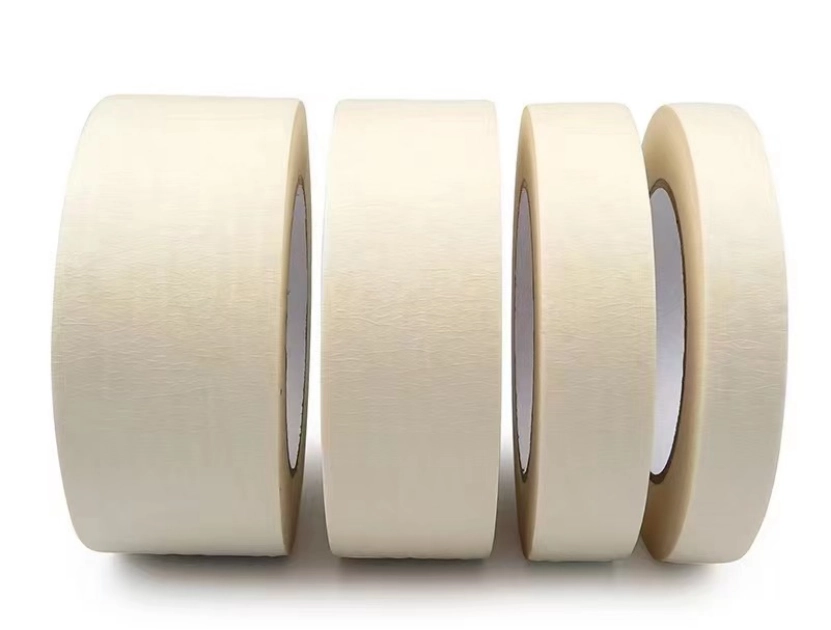
It is usually made from crinkled paper with a sticky glue on one side. This tape gives a good mix of strength and bend. It rips straight by hand yet stays tight enough for sharp paint lines. You can get rolls in many widths, from thin strips for small lines to wide ones for normal cover work. That makes it fit many jobs.
Advantages of Using Masking Paper Tape
One big plus is the clean edge it makes where paint stops and bare surface starts. It is simple to put on by hand even on odd shapes like window frames or small parts. Since it costs little and you throw it away after, masking paper tape works well for quick jobs where fast setup matters more than long use.
Limitations of Masking Paper Tape in Professional Use
Even with its ease, masking paper tape has limits. The thin width means it takes more time to cover big spots because you overlap many strips. The paper can soak up paint or water, so color may bleed if you lay it on thick or leave it wet. In hot or wet air the glue can get soft and lose hold, which may let it lift while you spray or bake.
What is Pre-Taped Masking Film?
When you want speed on big jobs, pre-taped masking film comes in as a newer way that covers fast and still keeps good quality.
Structure and Material Composition of Pre-Taped Masking Film
Pre-taped masking film joins two parts. A thin plastic sheet is fixed along one side to a strip of masking tape. The film opens out over wide spots while the sticky edge holds it down. Static cling lets the film stick lightly to panels or walls without extra tape. This helps a lot when you work above your head or on tricky shapes.
Benefits of Using Pre-Taped Masking Film in Industrial Projects
This mix saves lots of time because taping and covering happen at the same moment. The light plastic keeps paint from soaking through better than paper and makes less trash since one pull covers a wide area. In paint booths or inside buildings where fast work saves money, pre-taped film speeds up the job and still gives a clean finish.
Potential Drawbacks and Usage Considerations
Users still need to handle pre-taped films with care. Static can make it hard to line up if air moves the sheet while you put it on. On rough brick or bumpy walls you may need extra tape to get full hold along the edge. The first cost per roll is often higher than plain paper tape, but the time you save on big jobs usually makes the total price even.
Comparing Pre-Taped Masking Film vs. Masking Paper Tape
Both items do similar work but shine in different cases. Your choice depends on job size, how exact you need the lines, and things like heat or damp air.
Application Scenarios Across Different Industries
In car body shops, pre-taped masking film covers car panels fast during spray work where you must control overspray. Masking paper tape works better for small spots like window trim or badge outlines that need very exact lines.
When fixing buildings or repainting rooms, pre-taped film shields floors, window ledges, sinks, and wall parts from drips. For lines near corners or fancy trim where you need care more than speed, paper tape lets you place it neatly without folds.
On electronics lines where parts can be hurt by leftover glue or static, masking paper tape gives steady hold that comes off clean after the work. At the same time pre-taped films can cover bigger units during coating steps without adding dirt.
Choosing the Right Product for Your Project Needs
Picking one is not about which is best in every case. It is about what fits your work flow.
When to Choose Pre-Taped Masking Film
Use pre-taped film when speed is the top need. Big spray jobs in car shops or building interiors gain from the all-in-one design. It also fits when you want to cut waste because one roll can take the place of many older supplies.
When to Choose Masking Paper Tape
Pick masking paper tape when you need sharp lines on small details. This covers custom color splits on cars, touch-up near sinks, or shielding electronics parts during tests.
How QKD Tape Supports Industrial Surface Protection Solutions
For decades, we have been dedicated to producing professional-grade tapes tailored for the automotive, packaging, construction, and electronics industries. Continuous investment in research and development ensures our products maintain optimal adhesion performance under a wide range of environmental conditions. Our global supply chain guarantees a stable supply of products to industrial customers worldwide.
From high-temperature automotive tapes to durable architectural films, our product portfolio demonstrates how we continuously innovate adhesive technologies to meet industry demands. This ensures that we provide reliable solutions in fields with extremely high surface coverage requirements. Contact us today to find the right masking product for your project needs.
FAQs
Q1: What is masking paper used for?
Masking paper protects surfaces from paint overspray during finishing tasks such as automotive refinishing and interior decoration.
Q2: How does pre-taped masking film differ from regular plastic sheeting?
Pre-taped film includes an integrated adhesive edge that simplifies application by combining taping and covering into one step.
Q3: Can masking paper tape withstand heat?
Standard versions handle moderate temperatures; specialized high-temp variants exist for baking cycles in auto body shops.
Q4: Is pre-taped masking film reusable?
It’s designed primarily for single-use applications due to potential contamination after exposure to paint particles.
Q5: Which option offers better value overall?
For small projects requiring detail control—masking paper tape; for large-scale coverage demanding speed—pre-taped masking film delivers greater efficiency over time.