
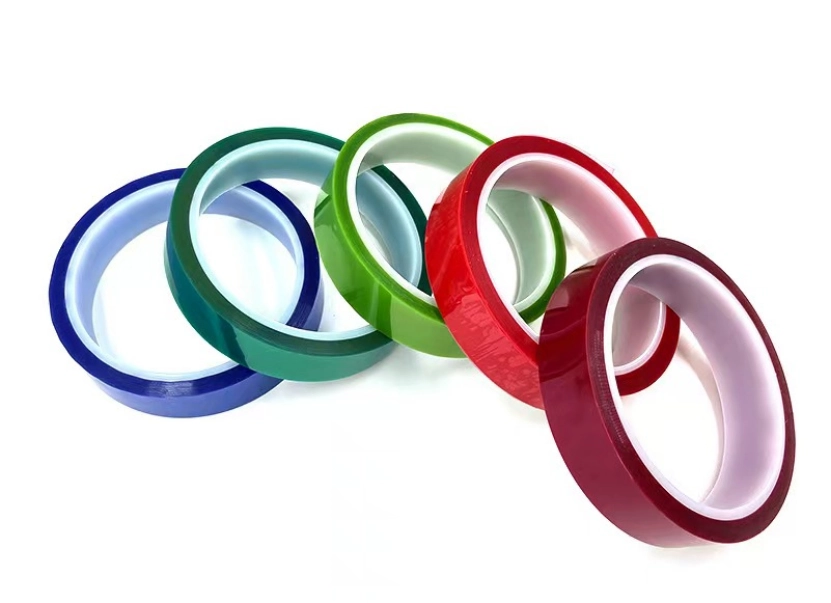
Mylar tape is far more than just a generic plastic adhesive; it is a precision engineered tool for high stakes industrial environments. When engineers specify this material, they are looking for a balance of thinness and extreme durability that other films simply cannot match.
The Material Science Behind Polyester (BoPET) Films
Mylar is a brand name for biaxially oriented polyethylene terephthalate (BoPET) film. This isn’t just standard polyester. The manufacturing process involves stretching the film in two directions to enhance tensile strength and thermal stability. By pulling the film both longitudinally and transversally during production, the molecular structure aligns in a way that makes it incredibly tough for its weight. Industrial grade Mylar tape combines this film with specialized adhesive systems like acrylic, rubber, or silicone. This combination determines how the tape will behave when it hits the factory floor—whether it needs to stick instantly or survive a decade inside a hot motor.
Core Physical and Chemical Properties
The reason we see Mylar in almost every power distribution project is its predictable behavior under stress. It doesn’t just perform; it remains stable.
Why is Mylar Preferred for Electrical Insulation?
High dielectric strength allows the tape to resist electrical breakdown in high voltage environments. This is the primary “selling point” for any electrical engineer. If a tape can’t stop an arc, it’s useless. Furthermore, excellent moisture and chemical resistance prevents degradation in harsh industrial settings. We’ve seen some standard PVC tapes turned to goo because of nearby oil leaks, while Mylar stayed intact. Low moisture absorption ensures dimensional stability across varying humidity levels. It won’t swell or shrink just because the weather changed, which is critical for maintaining tight tolerances in precision coils.
Thermal Performance and Temperature Ratings
Mylar tape typically maintains its integrity in temperatures ranging from -10°C to 130°C. This covers the vast majority of Class B insulation requirements. It is a workhorse for standard electronics. Flame retardancy ratings (such as UL 510) make it a requirement for specific electronic assemblies. If you are shipping to the North American market, that UL mark isn’t just a “nice to have”—it is a legal and safety necessity for your bill of materials.
Common Types of Mylar Tape and Their Adhesive Systems
Choosing the right backing is only half the battle; the “sticky side” is where most applications fail if not carefully considered.
Acrylic vs. Silicone Adhesive Backing
Acrylic adhesives offer excellent aging resistance and clarity for long term bonding. They are the go-to for most permanent applications because they don’t yellow or lose tack over several years. Silicone adhesives are utilized when extreme temperature resistance or clean removal is required. If your process involves a high heat curing cycle and you need to peel the tape off afterward without leaving a sticky residue, silicone is your only real choice, despite the higher cost.
Color Coding and Transparency Options
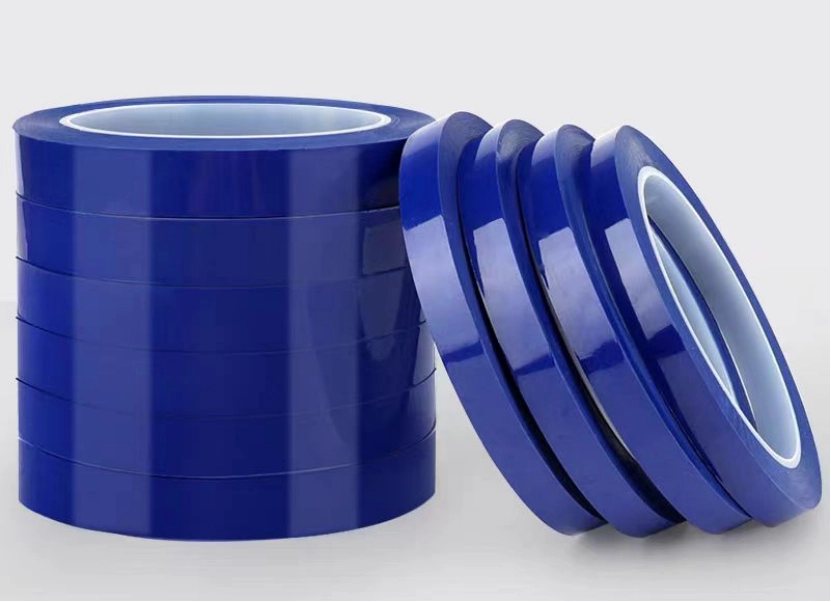
Clear Mylar tape is used for invisible splicing and labeling. It’s perfect when you need to see the substrate underneath. On the other hand, yellow, blue, red, and black versions are standard for identifying phases or specific components in transformer manufacturing. In a complex wiring cabinet, that yellow wrap is a universal signal for specific insulation layers, helping technicians avoid catastrophic errors during assembly or repair.
Critical Industrial Applications
Mylar tape is the “hidden” hero in many of the devices we use every day, from the phone in your pocket to the grid scale transformer on the street corner.
Securing Components in Transformers and Motors
Used as an outer wrap for coils to provide mechanical protection and electrical insulation. It keeps the copper windings exactly where they belong. Inter layer insulation helps prevent short circuits between windings. Even a tiny pinhole in a lower quality tape could lead to a massive failure once the transformer is energized, which is why Mylar’s puncture resistance is so valued here.
Battery Pack Assembly and Management Systems
In the world of EVs, Mylar is everywhere. It provides critical insulation between cells in lithium-ion battery packs. You need something thin to keep the energy density high, but strong enough to prevent a short circuit. It is also used for bundling and securing wiring harnesses in automotive electronics, where vibration resistance is just as important as electrical properties.
Splicing and Web Processing
High tensile strength makes it ideal for splicing film, paper, and metal foils in continuous manufacturing lines. When a massive roll of paper is flying through a press at high speeds, the splice point is the weakest link. Mylar tape ensures that the “grab” is strong enough to handle the tension without snapping, which prevents hours of downtime.
How to Select the Right Mylar Tape for Your Project?
Don’t just buy the cheapest roll. You need to start by assessing the required dielectric breakdown voltage for the specific application. If your system runs at 3.5kV, a tape rated for 2kV is a recipe for a fire. Then, move on to determining if the environment involves exposure to solvents or oils that require specific chemical resistance. Finally, evaluating the thickness requirements; thinner tapes save space in compact electronics, while thicker tapes offer better puncture resistance.
Handling and Storage for Longevity
Proper storage conditions involve cool, dry environments to prevent adhesive degradation. Heat is the enemy of adhesive “shelf life.” Surface preparation is vital; ensuring substrates are free of oil and dust maximizes the bond strength of the polyester carrier. If the surface is greasy, the best adhesive in the world won’t save you.
Addressing Frequent Challenges in Mylar Tape Application
Preventing Flagging and Lifting on Curved Surfaces
Flagging—where the ends of the tape start to peel back—is a common headache. Selection of the correct adhesive tack level is necessary for high tension wraps. You also need to be understanding the “memory” of BoPET film to avoid edge lifting in small diameter applications. Polyester wants to lay flat; if you wrap it around a tiny wire, it will try to straighten itself out. Using a high bond acrylic or a cross linked adhesive helps fight that “memory.”
Does Mylar Tape Meet Environmental Compliance Standards?
In today’s market, you can’t ignore the paperwork. Verification of RoHS and REACH compliance for international electronics distribution is mandatory. Most of our Tier-1 clients also look for the role of halogen free Mylar tape in modern green energy and consumer electronic sectors. Moving toward halogen free materials is a major trend in the EU and for any company focusing on “green” credentials.
Contact QKD Tape today to discuss your application requirements and request a custom Mylar tape solution.
FAQ
Q: Can Mylar tape be used for high frequency applications?
A: Yes, its low dissipation factor makes it suitable for high frequency transformers and capacitors where energy loss must be minimized.
Q: Is Mylar tape the same as Kapton tape?
A: No. Kapton (Polyimide) handles much higher temperatures (up to 260°C) but is significantly more expensive. Mylar is the cost effective choice for applications under 130°C.
Q: Why does my Mylar tape snap when I pull it?
A: While it has high tensile strength, it can be sensitive to “edge nicks.” If the roll was dropped and the edge is damaged, it will tear easily. Always check the roll edges for smoothness.
Q: What is the typical shelf life of Mylar tape?
A: Usually 12 to 24 months if stored at 21°C (70°F) and 50% relative humidity. Keeping it in the original packaging helps significantly.