
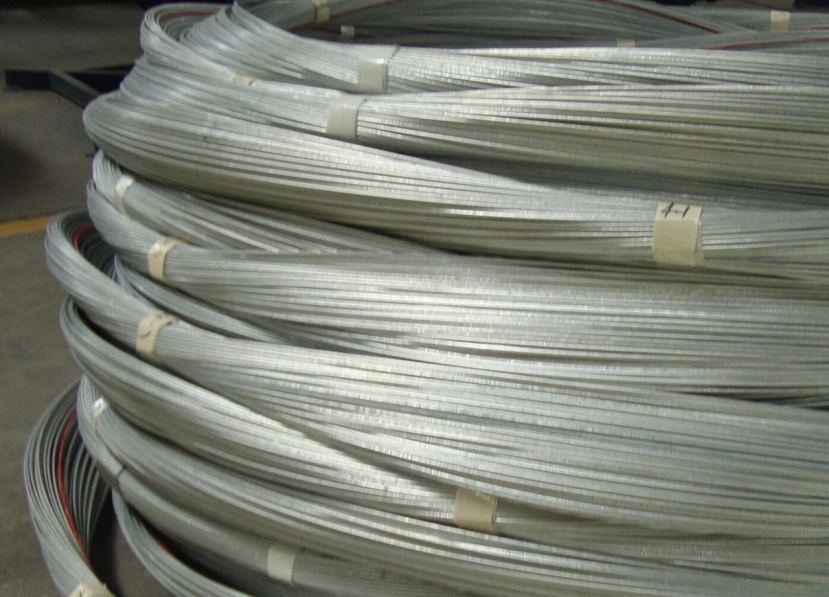
Understanding the Core Composition of Industrial Tapes
Selecting the right tape is not just about stickiness; it is a materials science challenge that dictates the safety of a shipment. The efficiency of a packaging line often hinges on how the adhesive interacts with the backing under mechanical stress.
The Role of Adhesives and Backing Materials
Synthetic rubber adhesives provide immediate tack for high speed packaging lines. This “quick stick” is vital when boxes move through an automated taper at twenty units per minute. However, tack is only half the story.
Hot melt adhesives offer superior performance in varying temperature environments, maintaining their grip where acrylics might fail. We have seen standard tapes fail in unheated warehouses during winter because the adhesive reached its glass transition point and became brittle. Furthermore, film thickness and tensile strength determine the tape’s resistance to splitting under pressure. A thin film might save pennies, but if it snaps during the expansion of a stacked pallet, the cost of damaged goods will far outweigh those savings.
Why High-Tension Applications Require Filament Tape
When dealing with heavy loads or structural bundling, standard BOPP tape is insufficient. You need the internal reinforcement that only specialized products can provide.
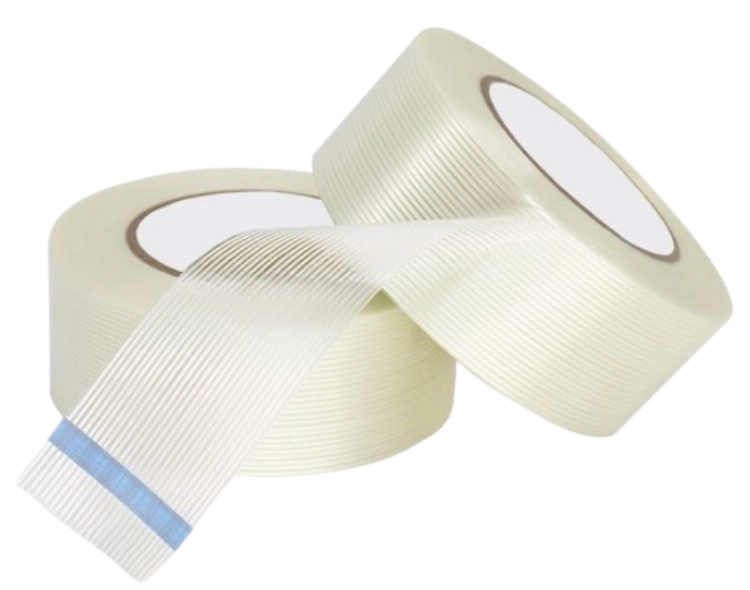
Continuous fiberglass yarns provide extreme reinforcement against bursting. These yarns act like rebar in concrete, absorbing the energy of the load. When choosing, you must look at bi-directional vs. mono directional filaments: choosing based on stress points is critical. Mono directional tape works well for sealing box seams, but bi-directional versions are necessary when a load might shift in multiple directions. Resistance to nicking and tearing ensures structural integrity during long distance shipping. Even a small cut on the edge of a standard tape can lead to a complete failure, but fiberglass tape stops the tear from propagating.
Technical Analysis of Mono Fiberglass Tape
Mono fiberglass tape is the workhorse of the metal fabrication and heavy appliance industries. It is designed for one job: holding things together in one direction with absolute reliability.
Longitudinal glass fibers offer high tensile strength with minimal elongation. This lack of “stretch” is actually a feature; you don’t want your steel pipes shifting inside their bundle. Scuff resistance properties make it ideal for heavy duty bundling and palletizing, especially when pallets are dragged or shifted in a truck bed. Another often overlooked benefit is the compatibility with recycled corrugated cardboard surfaces. Recycled fibers are shorter and dustier, making them harder to bond to, but the high tack adhesives used on filament tape are specifically formulated to bite into these difficult substrates.
Key Factors in Selecting Tape for Heavy Duty Load Securing
Choosing a tape requires a cold, hard look at the physics of your supply chain. It is not a “one size fits all” situation.
Assessing the Weight and Dimensions of the Cargo
Heavier loads require tapes with higher “shear” values to prevent slippage. Shear is the adhesive’s ability to resist the internal sliding forces. If a tape has high tack but low shear, it will slowly “creep” off the box over 48 hours. Large scale industrial bundles benefit from the high tensile capacity of fiberglass reinforced options. If a bundle weighs over 500 lbs, anything less than a reinforced tape is a safety hazard.
Environmental Considerations in the Supply Chain
UV exposure and humidity levels can degrade standard adhesive bonds over time. If a pallet sits on a loading dock in the sun, the UV rays can break down the polymer chains in the adhesive. Cold weather applications necessitate specific chemical formulations to maintain tackiness. I’ve seen tapes that work perfectly in a Florida summer fail instantly in a Chicago winter because the adhesive turned into a non-sticky solid.
Is Fiberglass Tape the Right Solution for Your Packaging Line?
It comes down to a balance of risk and cost. You don’t use a sledgehammer to hang a picture frame, and you don’t use fiberglass tape for a lightweight shoe box.
Evaluating the cost to performance ratio compared to standard BOPP tapes is the first step. While reinforced tape is more expensive per roll, there are situations where reinforced tape reduces the total amount of material needed per shipment. Instead of six wraps of standard tape, two strips of filament tape might do the job better. Regarding application methods: Manual dispensers vs. automated taping machinery requirements must be considered. Reinforced tapes are harder to cut, meaning your automated cutters need to be sharp and specifically designed for glass fibers to avoid gumming up the works.
Troubleshooting Common Adhesion Failures in Industrial Settings
When a tape fails, people usually blame the “glue.” Usually, the problem is the environment or the surface.
Why is My Tape Flagging or Peeling?
Surface energy of the substrate affects how well the adhesive “wets” the surface. Plastics like polyethylene have low surface energy, meaning the adhesive beads up like water on a waxed car. Contaminants like dust or oils can compromise the bond of high performance tapes. In metalworking shops, a fine mist of machine oil can settle on boxes, creating a barrier that no tape can penetrate. Also, consider the importance of “dwell time” for certain pressure sensitive adhesives to reach maximum strength. Some tapes need 20 minutes of contact before they reach their full rated bond.
Strategic Integration of Customized Adhesive Solutions
The final stage of optimization is moving away from off the shelf products toward something built for your specific workflow.
Tailoring tape width and adhesive thickness for specific OEM requirements can lead to significant waste reduction. For example, moving from a 48mm to a 36mm width might be perfectly safe for your specific box size. Exploring how custom printed reinforced tapes enhance brand security and tamper evidence is another growing trend. If a fiberglass tape is cut, it cannot be easily “resealed” without it being obvious. Balancing technical specifications with operational efficiency in B2B manufacturing is the goal of every packaging engineer.
Contact QKD Tape today to discuss your packaging requirements and get a tape solution engineered for stronger, safer, and more efficient shipping.
FAQ
Q: What is the difference between mono and cross weave filament tape?
Mono directional tape has fibers running only in the length of the roll, providing strength in that direction. Cross weave (bi-directional) has fibers in both directions, making it nearly impossible to tear by hand or by puncture.
Q: Can I use fiberglass tape on plastic surfaces?
Yes, but you must ensure the adhesive is compatible with low surface energy plastics. Always test a sample to check for “flagging” (edges lifting) over 24 hours.
Q: Does filament tape leave a residue?
Most industrial versions are designed for permanent sealing and may leave residue. However, “clean removal” versions exist for the appliance industry where the tape must be removed by the end consumer.
Q: Why is my tape snapping when I apply it?
Check your dispenser. If the blade is dull or the tension is too high, it can create a “nick” in the edge of the tape. Even with fiberglass, a nick can cause a failure under high tension.