
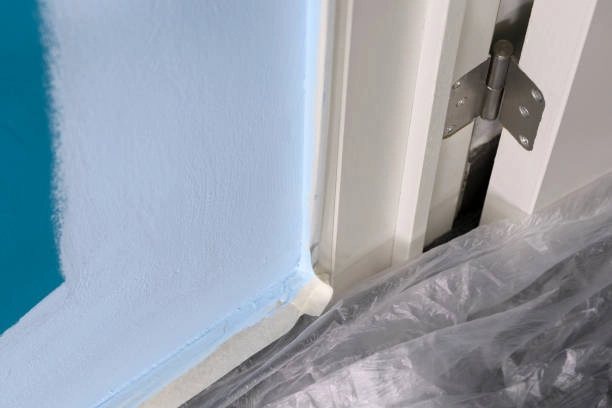
Masking Tape for Painting has an important job in giving neat, straight edges during painting work—whether you’re working on an inside wall detail or covering outside areas for big jobs. The main thing is not only how you put it on, but picking the correct type for the task. Items like 18mm masking tape and acrylic masking tape give specific fixes for different spots. And special ones like carpet masking tape keep floors safe during even the most exact tasks. Let’s look at where and how these tapes do well.
Applications of Painter’s Tape in Various Environments
Indoor Use for Precision Painting
For painting inside, good control and keeping surfaces safe are key. Masking Tape for Painting works great for making sharp edges on trim, baseboards, and feature walls. It sticks well to smooth inside spots like painted walls or wood edges. And it comes off easy without harming the finish.
It works fine with water-based and latex paints, so it doesn’t get soft or let paint leak. When you use an 18mm masking tape size, you get exact work for detailed lines—it’s slim enough for tight spots but broad enough to stop leaks.
Outdoor Use for Durable Masking
Painting outside needs strength against weather and rough spots. Masking tape made for outdoors often has a backing that fights UV rays. This lets it handle direct sun for days or weeks without breaking down.
It also has a tougher glue fit for bumpy surfaces like stucco, brick, or siding. This glue that handles weather stops paint from sneaking under the tape. That’s really important when putting on thick layers outside.
Performance in Extreme Outdoor Conditions
For long or tough outside jobs—like in high damp air, hot spells, or on rough bases—regular masking tape won’t work. Masking tape made for hard conditions keeps steady sticking even when temps change or the air is wet.
It holds tight to uneven spots without curling up or lifting at the sides. Workers on weeks-long outside fixes count on these tapes for masking that lasts. Yet they still pull off clean.
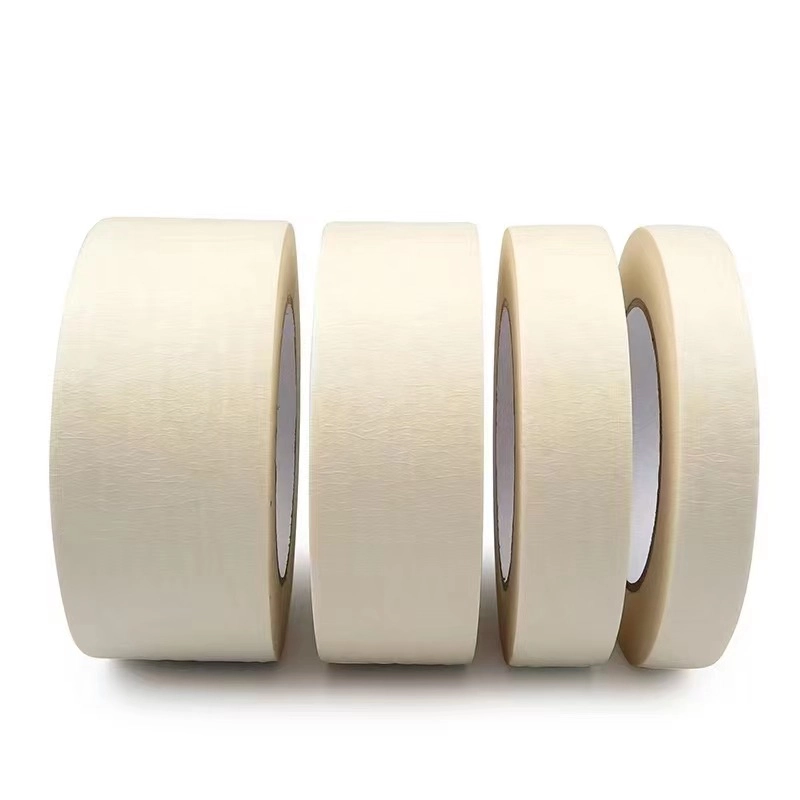
Material Composition and Adhesive Technologies
Acrylic-Based Masking Tape Advantages
Acrylic masking tape is now the go-to choice for tough jobs. Its top plus is how it fights getting old—unlike rubber glues, acrylic lasts longer and stays sticky in more temps.
This means less glue left behind when you take it off, even after a long time. That’s key in detailed car work and building tasks. It also cuts down on fixing or sanding from sticky bits.
Benefits of 18mm Masking Tape Width
The 18mm masking tape hits a good spot between handling and covering. It’s thin enough to go along bends and detail lines. But it’s still wide enough to fight paint leaks.
This size works well in curved or angled spots where bigger tapes might bunch up or not follow shapes. Artists who paint walls and room designers like it a lot.
Carpet Masking Tape Characteristics
Painting close to floors? Carpet masking tape is made just for that. It sticks to soft surfaces like carpet threads without yanking them out or leaving fuzz when you pull it off.
Its big job is stopping paint from getting on floors during wall jobs. And since it’s for short use, it lifts easy after painting without hurting carpet feel—great for homes and business spots.
Performance Features That Ensure Crisp Lines
Edge-Lock Technology and Paint Line Accuracy
Edge-lock technology uses a tiny barrier that seals the tape’s side once you add paint. This new idea stops paint from leaking under the edge. So you get sharp lines that cut down on fixes later.
Whether on shiny cabinets or dull walls, edge-lock gives a pro-level result. With the right method, it helps painters make finishes that seem perfect but aren’t really stenciled.
Surface Compatibility Across Substrates
Masking Tape for Painting is designed to adhere well to a wide range of surfaces—wood, metal, glass, plastic, and even raw walls. This versatility means you don’t need different tapes for different applications.
On smooth spots like glass and metal, it lies flat without bubbles. On somewhat rough stuff like painted concrete or panels, it keeps lines clear without needing base coat or lots of setup.
Selection Criteria Based on Project Requirements
Choosing the Right Tape for Paint Type and Surface Condition
Not all tapes are the same. For spongy surfaces like plain wood or concrete blocks, you need stronger glues to hold on. On the other hand, fragile finishes need lighter stick to avoid harm when pulling off.
It’s also vital to match the tape with the paint mix: paints with solvents might weaken soft glues, but water-based ones are easier on them.
Duration of Application and Removal Timing Considerations
Tapes are rated for short, medium, or long masking times. If you leave a short-term tape on too long, it can be hard to remove and leave stuff behind.
Always look at the product’s suggested time. Pull off the tape while the paint is still a bit sticky—often within one hour—for the best outcome and neat lines.
| Tape Type | Recommended Removal Time | Ideal Use |
| Low-Tack | 1–3 days | Wallpaper, freshly painted walls |
| Medium-Tack | 3–7 days | Trim, drywall |
| High-Tack | Up to 14 days | Brick, stucco |
Storage, Handling, and Application Best Practices
Proper Storage Conditions to Preserve Adhesive Integrity
To keep performance steady, store painter’s tape in a cool, dry area. Don’t let rolls sit in direct sun or too much wet—both can hurt the glue over time.
Best storage temp is between 15°C–25°C (59°F–77°F) with dampness under 60%. Heat can make the glue too soft early; cold can turn it brittle.
Techniques for Applying Fine Line Tape Effectively
Before you put on tape, make sure the surface is clean and dry—dust or oils can mess with sticking. Push the tape edge down hard with a tool or your finger along the whole length.
Take it off at a 45-degree angle while the paint is still a little sticky to keep from pulling dry paint with it. If you’re doing many colors or layers, let it dry and put on new tape carefully between them.
As a professional manufacturer of industrial tapes and adhesive solutions, QKD Tape offers a range of masking tapes tailored for automotive refinishing, architectural detailing, and construction projects. Their portfolio includes acrylic masking tape options designed for precision painting as well as carpet masking tapes developed specifically for protecting floors during remodels.
By understanding your project needs—surface type, paint formulation, application duration—you can select the right painter’s masking tape that delivers not just clean lines but confidence in every job. Whether you’re handling small trim work or large-scale exteriors under harsh conditions, tools like 18mm masking tape from QKD Tape provide consistency professionals rely on.
FAQs
Q1: What makes acrylic masking tape better than rubber-based ones?
Acrylic adhesives have superior resistance to aging and temperature variation while leaving less residue upon removal.
Q2: Can I use painter’s tape on freshly painted walls?
Only if the paint has fully cured—typically after 24–48 hours. Use a low-tack version designed for delicate surfaces.
Q3: How long can I leave exterior masking tape on?
High-performance exterior tapes can remain effective up to 14 days if UV- and weather-resistant.
Q4: What’s special about 18mm masking tape?
It offers precision control ideal for detailed linework while still wide enough to block paint bleed effectively.
Q5: Will carpet masking tape damage my carpet fibers?
No—it’s designed with adhesives suitable for low-energy surfaces like carpets and removes cleanly without damage.