
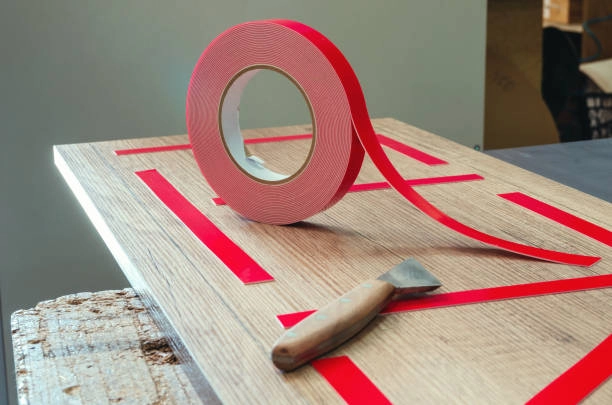
For industrial engineers, designers, and operations managers, the need for a foam tape that gives solid stick but lets you take it off neatly is more than handy—it’s essential. Picking the toughest Foam Tape means getting a good mix of hold and easy release, especially in spots where power, accuracy, and quick work matter a lot. Let’s look at how the right industrial tape can fix these issues.
Characteristics of Strong Foam Tapes
Key Performance Indicators for Industrial Applications
The success of foam tapes in factory settings relies on a few main traits.
- Shear strength means the tape’s power to fight sliding when under weight, and it’s important for parts that face pull or twist.
- Tensile strength checks how well it holds up against being yanked apart—key for hanging or upright uses.
- Peel adhesion is the pull needed to lift the tape at a slant; good peel keeps it firm even on bumpy spots.
Besides these points, lasting through tough conditions is vital. Tapes in work areas have to handle:
- Big swings in heat and cold
- Long contact with damp air and chemicals
- Sun rays and other outdoor factors
Working well with different materials is a must. If bonding to metal sheets, rough plastics, coated mixes, or powder covered areas, the tape needs to stick steady without losing its grip.
Balancing Strength with Removability
Powerful doesn’t equal forever. New glue mixes give big hold while in use but allow tidy pull off when you need it. This comes from pressure sensitive adhesives (PSAs) that stay solid and don’t get hard over time.
The trick is to skip harm to surfaces when taking it off. A top foam tape should avoid rips, color changes, or sticky leftovers. This clean pull is super important in exact spots like gadget building or car model making.
Importance of Foam Tape Strength in Industrial Mounting
Applications Requiring High Holding Power with Temporary Bonding
Removable foam tapes are key in cases where items or parts need to be moved or swapped out.
- Prototyping and testing phases: Parts must stay put but allow for repeated tweaks.
- Manufacturing and transport support: Short term sticking of panels or lids during build or shipping.
- Event displays and signage: Firm but brief hold for putting up signs, screens, or boards on all sorts of spots.
Operational Benefits of Foam Tapes
Fields using foam tapes see real boosts in speed.
- Stop time drops during fixes or setup changes.
- Expenses fall by dodging fix ups from damage and heavy cleaning.
- Planning gets quicker with simple shifts of parts during fitting.
For instance, QKD Tape’s foam tape line is common in car making lines where short term panel grip and shake control are big deals. QKD Tape is a professional tape manufacturer specializing in adhesive solutions for industries such as automotive, electronics, packaging, and construction.
Criteria for Selecting the Optimal Tape Solution
Surface Characteristics and Material Compatibility
Surface energy impacts how well a glue sticks to stuff. High energy spots like metals grab easy; low energy ones like polyethylene need special glue mixes.
Think about these too:
- Smooth vs. textured surfaces
- Painted or powder coated finishes
- Curved or uneven geometry
Choosing a matching foam tape stops problems like edges coming up or early let go.
Load Requirements and Environmental Exposure
Check both steady and moving weight needs. A setup with constant shake wants more shear power than one that sits still.
Outside factors include:
| Factor | Consideration |
| Temperature | Resistance from -40°C to 150°C |
| UV Exposure | Stability under sunlight |
| Chemical Contact | Resistance to solvents or oils |
| Humidity | Non degrading performance when wet |
Duration of Application and Removal Needs
Quick bonding (hours to days) may just need okay stick. Longer uses (weeks to months) call for better fight against wear while keeping easy take off.
Easy pull after long time needs tapes that don’t get stiff with age—a main plus in fancy foam tapes.
Technologies Behind High Performance Foam Tapes
Double Sided Foam Tape Capabilities
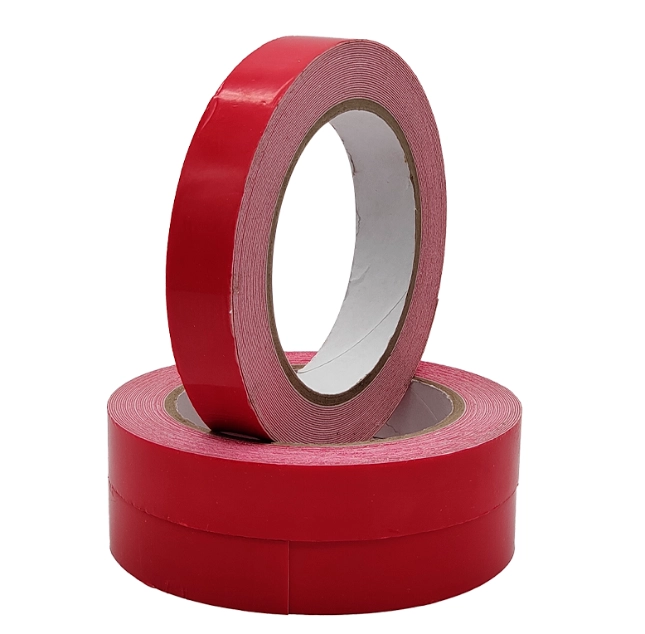
Double sided foam tapes offer padding and flex. They work great for rough or bumpy spots where even contact counts.
The foam middle also cuts shakes—handy in car dashboards or air system setups. A smart foam tape brings big hold without turning fixed.
Temporary Mounting Aids for Process Optimization
In fast build lines, removable mounting helpers place parts right before final fix. Some can be used again, helping with green goals.
QKD Tape makes custom double sided foam tapes to hurry up work and cut waste—great for fields wanting slimmer ways to make stuff.
Innovations Driving the Future of Debondable Adhesives
Emerging Materials Enabling Debonding on Demand
New glues are built to react to triggers:
- Heat triggered adhesives soften at certain heats
- Light reactive materials lose stick under UV light
- Electric field sensitive systems allow robot take off
These clever glues open up auto pull off steps—real promising for home gadgets and block build systems.
Collaborative Approaches to Tape Selection and Integration
Working with Technical Partners to Tailor Solutions
Tape selection is not a simple replacement process. Team up with QKD Tape to customize tape application equipment for your specific needs. This covers:
- Glue mix changes
- Base tweaks
- Tests under fake work loads
These teams lead to quicker checks and stronger long run work.
Customization Opportunities Based on Industry Needs
Work fields often mix unique materials, pressures, and outside hits. With growable making ways, suppliers like QKD Tape can give made to fit tapes that match job times and amount plans—keeping quality and steady supply.
FAQs
Q1: What makes an industrial tape truly ‘removable’?
A: It combines strong initial adhesion with residue free removal under controlled conditions, even after extended use.
Q2: Can I use the same foam tape across all materials?
A: Not always—substrate compatibility varies depending on surface energy, texture, and coating type.
Q3: How long can a foam tape hold before it becomes permanent?
A: That depends on the formulation; some take 20 to 30 minutes, while others take 72 hours.
Q4: Are foam tapes reusable?
A: Some are, especially those used as mounting aids. However, most lose adhesion after one removal cycle.
Q5: Does temperature affect removability?
A: Yes—extreme heat can soften adhesives while cold can make them brittle, affecting both bond strength and removal ease.