
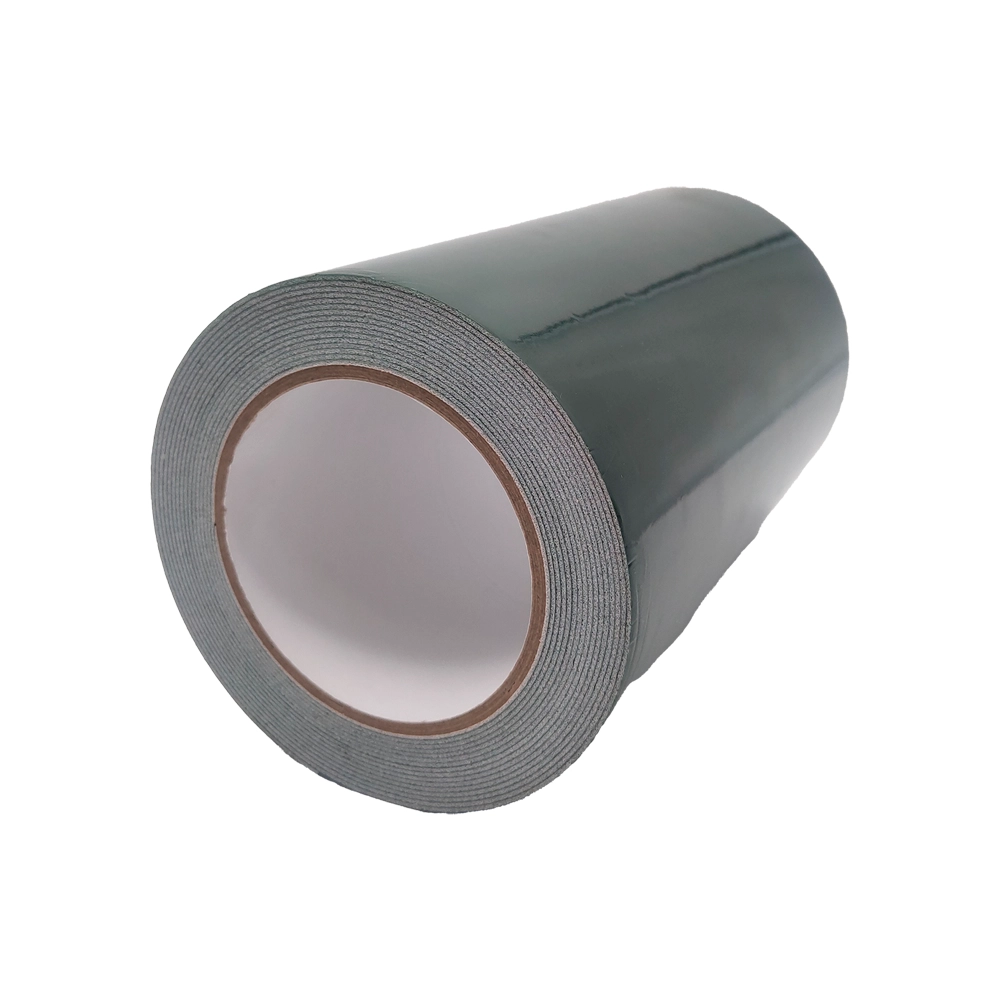
Foam tape has quietly turned into one of the most handy adhesive items in today’s making and building work. It gets used for sticking things, closing gaps, or adding insulation. This tape swaps out heavy metal fasteners with a neater, quicker fix. The mix of soft foam and sticky glue makes it a must-have in many fields—from car building to air conditioning setups.
What Is Foam Tape?
Foam tape is a sticky-backed stuff made from a foam layer covered with pressure-sensitive adhesive on one side or both. The foam part works as a spacer and bump absorber. The glue part makes a firm hold between surfaces. Usual materials are polyethylene (PE), polyurethane (PU), acrylic, and sponge rubber. Each one gives its own level of thickness, bendiness, and strength against wear.
The main features of foam tape cover squeeze-ability, fitting to bumpy spots, holding up to weather, and cutting down shakes. For example, hvac foam tape handles big hot and cold changes plus wet conditions without the stickiness fading. At the same time, foam board tape gives a neat setup for light sticking jobs.
How Does Foam Tape Work?
The way foam tape functions depends on its pressure-sensitive adhesive (PSA). You press it down to install. Then the glue spreads a bit into tiny bumps on the surface. This creates a solid physical and chemical link. The foam back spreads out the pull evenly over the join. So it stops peeling or breaking under weight.
Foam tape sticks well to metals, plastics, glass, painted spots, and mixed materials. But how well it works relies on things like clean surfaces, the warmth when you apply it, and the kind of base. Take marine foam tape, for instance. It fights off salt water rust and sun damage to keep the hold strong in tough spots over time.
Types of Foam Tape
Shifting from its basic job to certain kinds shows how each fits different work needs.
- Polyurethane foam tapes kinds give top cushion and noise cutting traits. Folks often use them in gadgets to block shakes.
- Polyethylene foam tapes are light but tough. Their sealed-cell build fights water well. That makes them great for air system closing or box guarding.
- Acrylic foam tapes deliver strong sticking even in wild settings. They see wide use in car putting together where build strength counts more than bend.
- Sponge rubber tapes mix squeeze with lasting power. They pop up often in weather strip jobs where blocking dust or air slips is key.
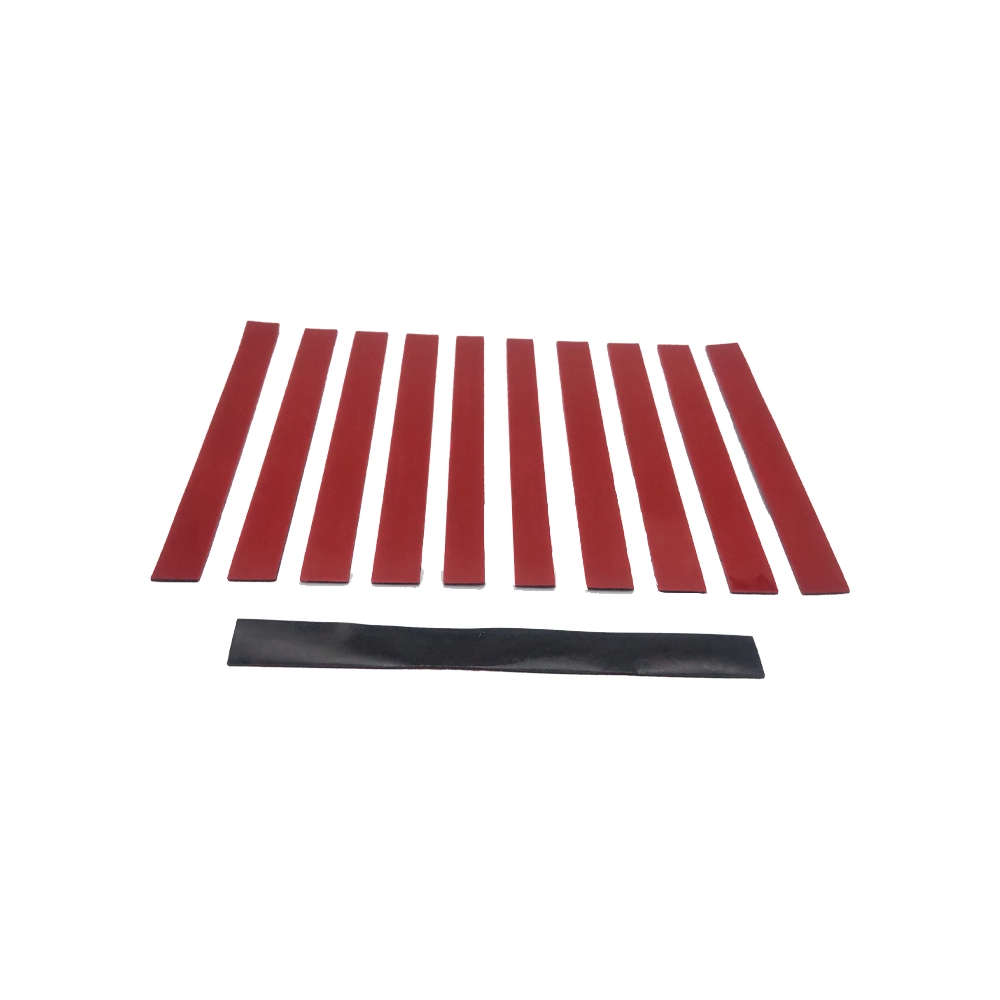
Foam Tape Uses and Examples
Foam tapes find wide spots that beat plain sticking chores. They often take the place of old-school tools completely.
Replacing Screws and Bolts
In lots of work places, foam tape can swap screws or bolts for linking boards or edges. It skips drilling spots that might hurt the stuff’s strength. Plus it cuts setup time. Good points include less weight, less noise from no metal touch, and better looks with no seen fasteners.
Mounting Objects
Foam tape gets used a lot for fixing signs, mirrors, hooks, and pretty boards at home or work. Its two-sided stick gives quick hold without tools or dirt. That’s perfect for room planners wanting neat ends with little mess.
Gasketing and Sealing
In air systems or car doors, foam tape acts as a good gasket by filling spaces between parts. This stops air slips and water coming in. It also soaks up shakes from moving bits. That’s a big deal for keeping energy use low in warm or cool setups.
Padding, Cushioning & Dampening
The soft side of foam makes it ideal for taking hits or quieting sound travel. In box work, it guards touchy parts on trips. In cars or gadgets, it cuts shake harm as time goes on.
| Industry | Application Example | Benefit |
| Automotive | Door seals & trim bonding | Noise reduction |
| Electronics | Device padding | Vibration isolation |
| Packaging | Protective inserts | Shock absorption |
Insulation
Foam tapes also help a lot with heat blocking by working as walls against warmth move. In house building, they close joins around windows or pipes to boost energy saving. This holds true especially with hvac foam tape. It stands up to heat shifts without the stick getting weak.
Benefits of Using Foam Tape
The causes for its big use go past easy use. It’s about smart money too.
Greater Cost Efficiency
Next to metal fasteners or wet glues, foam tapes cut worker costs from quicker setups. In the long run, they save cash by needing less fixes. That’s because they fight tiredness better than stiff links.
Foam Tapes vs. Liquid Adhesives
Clean and Easy Application Process
Unlike wet glues that need dry time or special gear, foam tapes give right-away stick once you push them down. This easy way speeds up making lines. It also keeps work areas tidier.
Reduced Waste
They come ready-cut in rolls or special shapes. So there’s little scrap when using them. That’s a green plus, prized in earth-friendly making work.
Improved Longevity
Foam tapes keep steady work for years facing things like sun rays or damp air. Their sealed cells block water getting in. That usually makes wet glues weak as time passes.
Using Foam in Adhesive Solutions
Mixing foam into special sticky fixes lets makers tweak items for set problems. This could mean building quiet boxes or heat-block joins. Fields like car setup lines count on these mixed stuffs. They make design simpler and boost the final item’s toughness.
QKD Tape focuses on making industrial-grade foam tape, plus other sticky fixes made for car, box, build, and gadget fields around the world. Their know-how makes sure each item hits strict work marks in varied spots. They’re a solid choice for firms wanting trusty sticking tech that lifts both work speed and item quality.
Explore QKD Tape’s advanced foam tape solutions and upgrade your bonding performance today.
FAQs
Q: What surfaces can foam tape stick to?
Foam tape holds well to metal, glass, plastic, wood, and painted surfaces if you clean them right before sticking.
Q: Can foam tape be used outdoors?
Yes—pick acrylic-based or sea-grade types built for sun fight and weather toughness.
Q: Is hvac foam tape suitable for high temperatures?
It works fine over broad heat levels common in air systems without the hold strength dropping.
Q: How long does foam tape last?
Based on the spot’s conditions and stuff type, top items can go several years without getting bad.
Q: Can I replace screws with double-sided foam tape?
For light things like boards or edges—yes. But heavy build loads still need metal help along with the sticky use.