
This type of flexible seal tape can seal up certain types of EPDM single-ply systems and some approved PVC details. Because single-ply membranes are so very different from each other, though, it is wise to check compatibility before ordering. Look for a special formulation that is intended for the specific roofing material in question and make very sure to read and follow all of the approved installation instructions for that particular product.
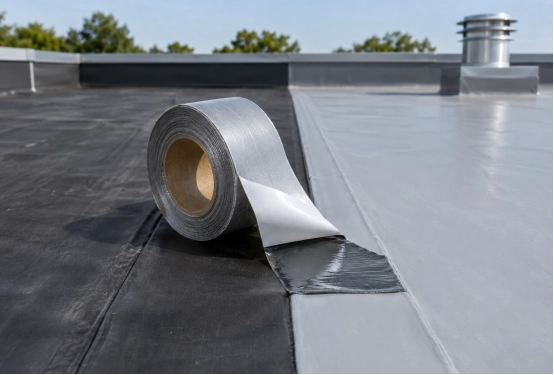
What Is Butyl Tape and Why Is It Used in Roofing?
Key Properties of Butyl Tape
Butyl tape adheres under pressure and can follow small deviations in the substrate surface. It is also a very moisture resistant material and can accommodate slight movement.
Common Roofing Applications
Approved uses of butyl tape in roofing may include the sealing of overlaps, sealing of flashing joints, the sealing of penetrations and other openings in the roof, and as a compressed seal behind mechanically fixed items. However, suitability of butyl tape for sealing of metal joints does not imply suitability for use with roof membranes.
Can Butyl Tape Seal EPDM Roofing Membranes?
Why Butyl-Based Tape Works with Certain EPDM Systems
EPDM roofing membranes are made of a very flexible synthetic rubber. Specialized butyl-based seam tapes can be used to connect prepared sheets of EPDM roofing membrane in approved systems. Some EPDM roofing membranes are even supplied with a section of tape already applied to the sheet.
Where Can Butyl Tape Be Used on EPDM Roofs?
An approved detail for use with an EPDM roofing membrane could be seams, roof edge details, membrane ends, fasteners, and other detail locations including metal to EPDM roofing membrane joints. These tapes are available in several forms including seam tape, cover tape and a compressed sealant tape. These products are not interchangeable.
Important Installation Considerations
Use an EPDM-system-approved seam tape for splicing. Clean the membrane surface, apply primer as specified, and roll out the tape. A generic butyl roll cannot replace that system-approved seam tape.
Can Butyl Tape Seal PVC Roofing Membranes?
Understanding Butyl Tape and PVC Compatibility
Most flexible PVC systems contain plasticizers in order to maintain flexibility. Adhesive contact of rubber-based adhesives with PVC can lead to migration of these plasticizers. Possible signs of deterioration are discoloration, stiffness and premature aging of the membrane. Some rubber-based adhesive constructions are more problematic than others.
An initial grip test on a sample of rigid PVC is not very relevant as the test sample does not simulate a coated flexible roofing membrane. A specific adhesive and specific roofing membrane are required for compatibility verification.
When Can Butyl Tape Be Used on PVC Roofing?
Please check with the membrane manufacturer for approval to use the specific butyl tape at its proposed location on your PVC roofing. Some PVC termination details utilize compressed butyl gaskets around fasteners and include specified separation layers. Standard PVC roofing seams are hot-air welded; an ordinary sealing roll cannot substitute.
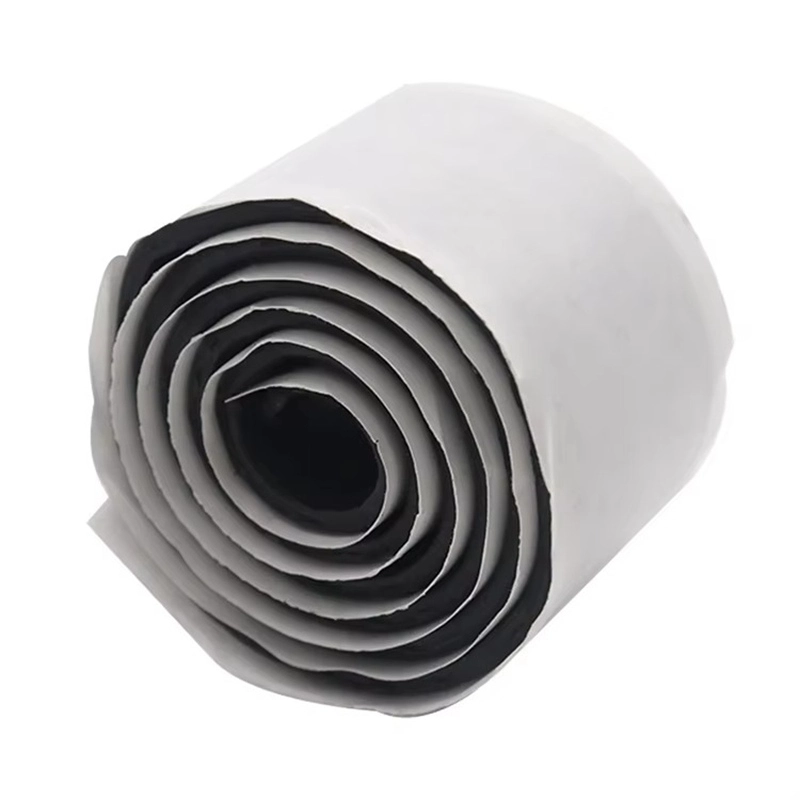
EPDM vs. PVC: Butyl Tape Compatibility at a Glance
| Comparison | EPDM | PVC |
| Compatibility | Specified systems only | Verify exact combination |
| Main concern | Adhesion and preparation | Chemical compatibility |
| Primer | Often required | Follow approved detail |
| Recommendation | System-approved tape | Membrane manufacturer approval |
How to Apply Butyl Tape to Roofing Membranes
Step 1 – Prepare the Surface
Clean the surface by approved methods (removing dirt, grease and residue) and allow the membrane to dry before application.
Step 2 – Check Material Compatibility
Verify that the tape, membrane, joint detail and any separation layer(s) are specified in the approved detail for the location where the work is to be carried out.
Step 3 – Apply the Recommended Primer
Use the specified primer where required. Follow its coverage and drying instructions before applying the butyl tape.
Step 4 – Position and Apply the Tape
Position the tape while removing the liner and use the specified roller. Ensure even pressure and avoid stretching or wrinkles.
Step 5 – Inspect the Seal
Check for lifting, for air trapping and for areas where the seal has not adhered properly. Where necessary complete required adhesion tests or water-resistance tests and repair defects before covering the joint.
Common Mistakes to Avoid When Using Butyl Tape
However, products should not be selected on the basis of apparent stickiness and must be applied on dry surfaces at the proper application temperature and with primer where required. Remember that a pull test will not be able to ensure long-term compatibility of PVC with other products, and any repair must be approved by the manufacturer. The installation conditions are not the same as the service conditions. Ordinary sealing tape cannot replace system-approved roofing repair materials.
How to Choose the Right Butyl Tape for Roofing Applications
Important Factors to Consider
Formulation, compatibility with roofing membrane, width, thickness, operating temperature, resistance to water and weathering, flexibility of tape itself and corresponding tests for peel adhesion and shear strength are critical factors for choosing the proper tape for specific roofing applications. Note that in assessing adhesives for roofing, peel adhesion tests can indicate edge lift, while shear tests will indicate if the tape is slipping. Thus, neither test alone can ensure a waterproof joint.
Why Customization Matters
Adhesive formulations, backing types and sizes can be adapted through custom tape manufacturing to meet the needs of your narrow flange assemblies or other unusual joint conditions. However, we urge you to test samples in your proposed assembly before ordering quantities of tape. Such customization does not replace roofing approvals.
How QKD Tape Supports Custom Butyl Tape Requirements
All membrane details, joint drawings and dimensions as well as information regarding exposure to elements must be provided by you to QKD Tape. As an industrial tape manufacturer with 15+ years of experience in making all kinds of industrial tapes, 200+ different adhesive formulas and with capabilities of producing OEM/ODM industrial tapes for global B2B market, QKD Tape can provide you with custom made samples for testing and evaluation purposes. Compatibility with roofing systems however will still need to be verified.
Conclusion
First ensure that there is an approved detail for the joint to be sealed and that the tape is compatible with the roofing membrane. Then discuss your requirements with QKD Tape and test samples before ordering. The choice of tape and its proper use are key to a reliable seal.
Frequently Asked Questions (FAQs)
1. Is Butyl Tape Waterproof?
A suitable grade of butyl tape can provide water resistance when the joint detail is properly designed and installed. Check the expected exposure, including standing water, before selecting a product.
2. Can Regular Butyl Tape Replace EPDM Seam Tape?
In roofing, an EPDM splice is sealed using an approved EPDM seam tape and a specified primer for that seam tape. Regular butyl tape is not an approved substitute.
3. Does Butyl Tape Damage PVC Roofing Membranes?
An incompatible formulation may in the long run cause considerable damage to a flexible PVC membrane. Check whether the intended membrane is approved for use with the specific butyl tape and make sure that this tape is to be used in the correct location as stipulated in the approved detail.