
Picking the correct adhesive tape in large amounts can determine if your production runs smoothly or not. A bad batch might cause lost materials, extra work, and stoppages. Meanwhile, a good choice of tape gives steady results and saves money. Learning what to look at before you agree to a big order keeps things dependable and upholds your work rules.
Why Bulk Tape Purchases Require Careful Consideration
Getting tape in big quantities cuts the cost per piece, for sure. Yet, it raises the danger if the item does not work well. Dependable tape boosts the flow of tasks, stops mishaps in putting together, and backs ongoing steadiness amid pressure or shifts in warmth.
The Role of a Reliable Industrial Adhesive Tape Manufacturer
Teaming up with a trustworthy manufacturer matters a lot to keep things uniform. QKD Tape with a foundation built on quality, reliability, and continuous research and development, has positioned itself as a leading force in the industry. Their advanced R&D center drives innovation for custom adhesive solutions that meet specific industrial needs. Plus, QKD Tape fosters a culture of continuous improvement, regularly reviewing and updating our quality control procedures to align with emerging industry standards and technological advancements.
1. Check the Adhesive Type and Its Compatibility
Before you order lots, grasping the makeup of the adhesive stops wrong matches for your uses.
Understanding Different Adhesive Types
The usual adhesives include acrylic, rubber-based, and silicone-based kinds. Acrylic ones give good hold against aging and light from the sun. Rubber ones stick fast at first but might break down quicker in warmth. Silicone ones do well in hot spots.
Matching Adhesive Type to Application Needs
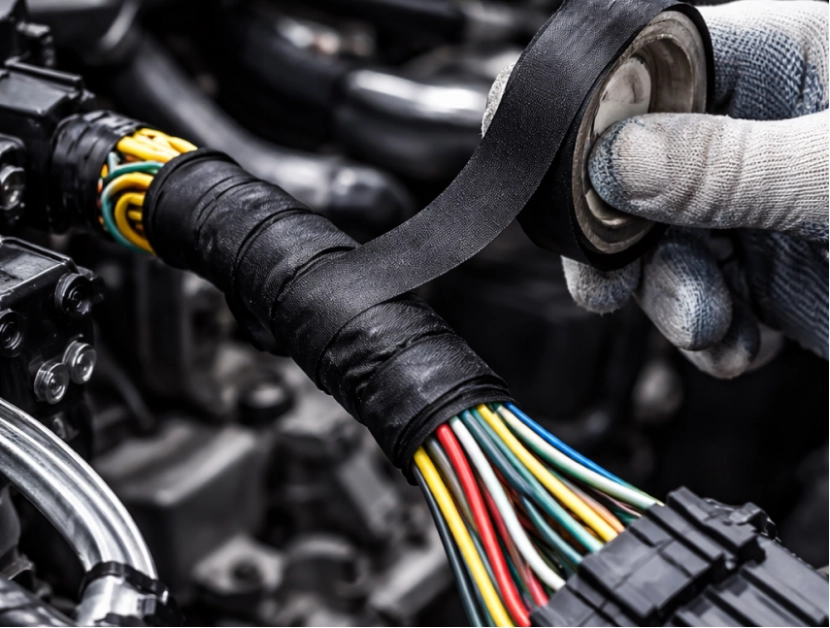
Figure out if your job calls for short-term hold (such as covering) or lasting stick (such as wrapping car wires). Think about how it fits with base materials too. Metal needs a varied grip from soft stuff like cloth or sheet.
2. Evaluate Tape Material and Backing Strength
Once you pick the adhesive kind, the base layer sets the bendiness and pull power.
Common Backing Materials Used in Industrial Tapes
Regular bases cover PVC for blocking electricity, PET for clearness and pull, paper for simple ripping, cloth for bend, and foam for closing uneven spots. Every type adds special traits needed for certain fields.
| Backing Material | Key Feature | Common Use |
| PVC | Electrical insulation | Wiring harnesses |
| PET | High tensile strength | Electronics |
| Cloth | Tear-resistant | Duct sealing |
| Foam | Cushioning & sealing | HVAC systems |
How Backing Strength Impacts Performance
A solid base stops rips when you put it on or take it off. This is key in machine lines with steady pull. Bases with high pull like PET keep tapes whole under strain or heat.
3. Assess Temperature and Environmental Resistance
Work settings differ a lot. Tapes have to handle changes in heat and outside factors.
Temperature Tolerance for Different Applications
Tapes for high heat are a must in car engine parts or gadget joining by heat. On the flip side, bend in cold is vital for cool storage moving or outside setups in winter.
Resistance to Moisture, UV, and Chemicals
Tapes for open air or close to harsh stuff need to fight dampness and rust causes. Ones against light from the sun guard from wear by rays. This happens often at build sites or sun power panel putting together.
4. Verify Adhesion Strength and Peel Performance
Checking stick power before big buys dodges big problems down the line.
Measuring Adhesion Quality Before Bulk Orders
Ask for info sheets on peel pull at different heats. Run small checks on real stuff from your work, like metal sheets, plastics, mixed parts. This shows if real use matches the listed details.
The Importance of Consistent Bonding Performance
Differences among rolls lead to bumpy holds or early breaks. Evenness keeps output going without often adjusting machines or fixing work.
5. Examine Product Specifications and Quality Standards
Exact details shape the trust in factory-level tape.
Key Technical Specifications to Review
Look at things like full width (for easy hold), stretch amount (for bend), pull power (for weight hold), and glue layer heaviness (for stick force). They need to fit your work setup just right, above all if machines press sticky rolls quick.
Certifications That Indicate Quality Assurance
Seek manufacturers certified under ISO 9001:2015 for quality management systems or RoHS compliance confirming environmental safety standards. QKD Tape fosters a culture of continuous improvement, ensuring that our products meet and exceed the stringent standards expected by our clients.
6. Review Supplier Reputation and Support Services
Steady suppliers offer more than goods. They help from pick to after care.
What to Look for in an Industrial Tape Supplier
Know-how in your area counts. Ones who know car wiring stand apart from those for gadget lines. They ought to give advice on picking based on surface pull, load strain, or outside effects.
QKD Tape’s customer support team is dedicated to providing timely and effective assistance. Our technical experts provide OEM & ODM services plus sampling options so clients can test products before large-scale procurement—reducing risk significantly.
Why QKD Tape Stands Out as a Trusted Manufacturer
QKD Tape, built on a foundation of quality, has positioned itself as a leading force in the industry. It offers customized adhesive solutions tailored to each application—from automotive harness wrapping to building decoration sealing—and maintains strict quality consistency across every batch produced in its ISO-certified facilities, covering over 100,000 m² and serving customers in 55 countries.
7. Compare Pricing Without Sacrificing Quality
Cost has a clear part but must not beat trust in factory items.
Balancing Cost Efficiency with Product Reliability
Very cheap costs usually point to thinned glue mixes or uneven layer widths that shorten life. Weigh full ownership cost, with stoppage stops, not just piece price gaps among sellers.
Benefits of Long-Term Partnerships with Manufacturers Like QKD Tape
Ongoing teamwork grows faith and firmness. Big deals bring fairer cost setups and steady stock even in short supply times. Also, steady work sparks new ideas via input-led R&D fixes. This marks QKD’s idea way aimed at “advancing industrial tape technology.”
Practical Steps Before Finalizing a Bulk Purchase
Before you sign deals or send orders, check output info and ship plans.
Conducting Sample Tests
Ever ask for trials from several sellers, even known ones. Use them for side-by-side checks in real work settings like heat loops or shake tests common in your spot. Such a move proves fit past test room numbers.
Reviewing Packaging and Delivery Options
Right packing keeps rolls clean of dust and safe in travel. This counts big when sending far in wet airs. See if your seller manages huge sends well without waits that mess up work times.
If you’re looking for a more reliable, customizable, and bulk-ready adhesive tape solution, QKD Tape is your trusted partner. Contact QKD Tape today to request samples, explore custom options, and get a competitive quote—so every roll of tape works as hard as your production line.
FAQs
Q1: What is the best type of adhesive tape for high-temperature environments?
Silicone-based tapes perform best due to their superior heat resistance compared to acrylic or rubber adhesives.
Q2: How can I test tape adhesion before bulk ordering?
Apply sample strips onto actual working materials under normal operating conditions; measure peel strength after set periods using standard ASTM methods.
Q3: Are all industrial tapes waterproof?
No—while many have moisture resistance, only specific types like butyl or foam-backed sealing tapes are fully waterproof under prolonged exposure.
Q4: Why does backing material matter so much?
Backing determines durability during application; weak backings tear easily while strong ones maintain structural integrity even under mechanical stress.
Q5: Does QKD Tape provide custom-made solutions?
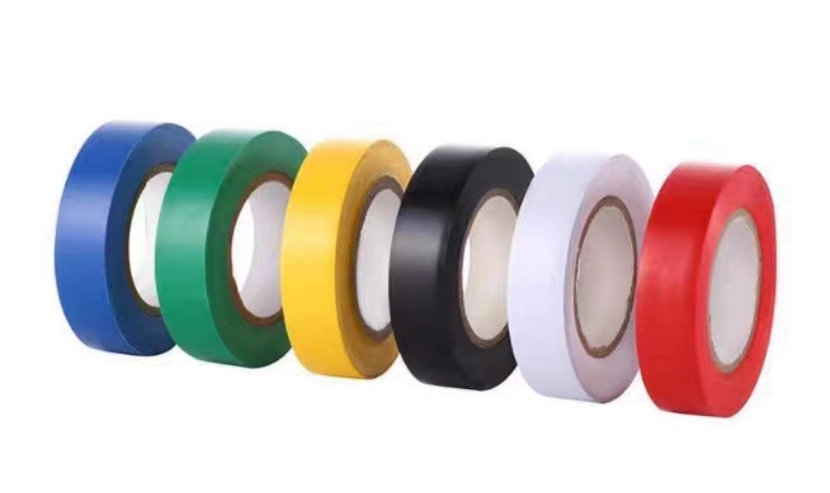
Yes—QKD Tape offers OEM & ODM services allowing customization based on adhesion level, thickness requirement, color coding, or environmental tolerance needs across multiple industries.