
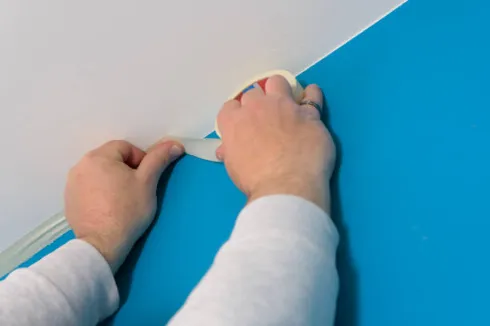
When browsing shelves for painting, auto repair, or home renovation supplies, folks often spot masking tape, painter’s tape, and masking paper tape. They look similar at first glance.
But masking paper tape and traditional masking tape serve different needs, and knowing what’s the difference can save time and hassle.
A common puzzle: Which one handles large spray jobs best? Which cuts down on setup time and makes cleanup easier? And when does traditional masking tape do the job just fine?
What Is Masking Paper Tape?
Masking paper tape is a handy combo product. It pairs a wide sheet of paper with an edge of adhesive tape, letting users cover big areas and mask edges in one go.
Typically, the setup includes kraft or specialty paper as the base for blocking paint splatter. The side features a masking tape strip for sticking and creating clean lines.
People reach for masking paper tape for painting tasks like auto body shops, furniture refinishing, large wall sprays, or protecting window frames and baseboards. It speeds up the process, skips extra seams from piecing things together, and simplifies removal.
For example, masking paper tape from QKD Tape combines a paint blocking paper sheet with a high tack masking tape edge, so sprayers can cover trims and glass in a single step instead of applying paper and tape separately.
What Is Traditional Masking Tape?
Traditional masking tape is a narrow strip of crepe paper or washi paper coated with pressure sensitive adhesive, often rubber or acrylic based.
It tears by hand easily, repositions without fuss, and peels off clean with minimal residue. That’s why it’s a staple for quick jobs.
From general purpose masking tape for everyday fixes to painter’s masking tape tailored for crisp edges, it shines in holding things temporarily, marking spots, or shielding small areas in crafts.
Key Differences Between Masking Paper Tape and Traditional Masking Tape
Diving into masking paper tape vs traditional masking tape reveals several standouts.
- Coverage & Overspray Protection: Masking paper tape brings a builtin wide paper for blanketing large surfaces and stopping spray drift. Traditional masking tape just edges lines; pair it with plastic sheeting or kraft paper to fend off overspray.
- Speed & Labor Efficiency: For spray lines or big flats, masking paper tape rolls out fast in one pass. Traditional masking tape fits small spots or details, but scales up slowly on bigger jobs, eating more time and effort.
- Line Quality & Precision: Both deliver sharp paint lines at the edge. Yet highquality masking paper tape often includes premium tape, making it kinder to spray edges without bleed.
- Flexibility & Conformability: Traditional masking tapehugs curves, corners, and odd shapes effortlessly. Masking paper tape, with its broad paper, feels bulkier on twists and suits flatter spots better.
- Temperature & Paint Compatibility: Check product levels—standard masking paper tape handles certain heat thresholds and works with water or solvent based paints. Traditional masking tape might break down or bleed under prolonged exposure to those paints, as noted in industry guides.
- Waste & Sustainability: Masking paper tape leans on paper materials, cutting plastic use and boosting recyclability compared to separate films and tapes.
Sometimes pros mix them; a quick note, traditional tape’s simplicity wins for odd jobs, while the paper version streamlines bulk work.
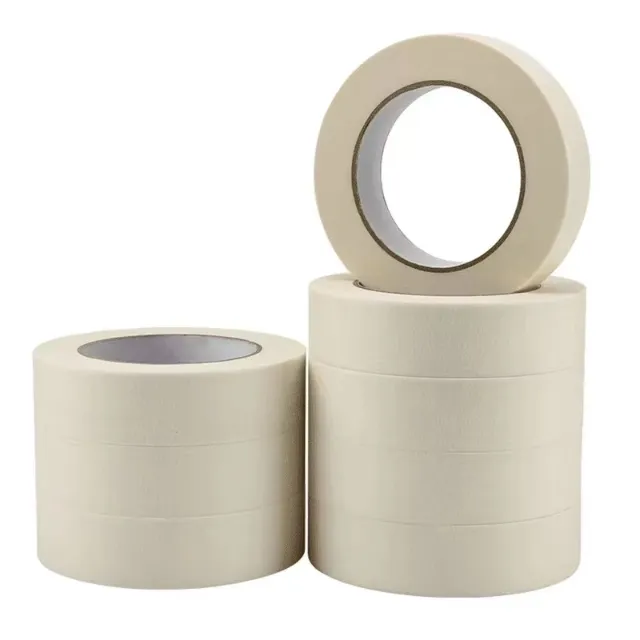
When to Choose Masking Paper Tape
Masking paper tape steps up for tasks needing broad coverage and quick setup.
Large Surface Spray Jobs (Walls, Ceilings, Doors)
It excels on walls, ceilings, doors, or cabinets where glass, baseboards, or floors need guarding. Unroll it to shield windows or door edges, with the tape side forming the paint line right away.
Automotive and Industrial Painting Booths
Old school methods use kraft paper plus masking tape. Switch to masking paper tape, and it wraps up faster, slashing seam risks where paint sneaks through.
Protecting Floors, Furniture and Fixtures from Overspray
Think kitchen cabinet sprays or office glass partitions. It blankets floors or fixtures swiftly, keeping overspray at bay.
Many automotive shops now use masking paper tape from QKD Tape on spray booths because the combined paper and tape roll reduces masking time per vehicle while keeping edges sharp around trims and windows.
When Traditional Masking Tape Is Still the Better Choice
Traditional masking tape holds its ground for simpler needs.
It fits small repairs or short edges, offering more wiggle room. On tricky curves like arched trim or round lights, it follows contours without hassle.
Beyond paint, it handles non spray tasks: temporary holds, labels, or crafts. No need for extras there.
Technical Specs to Check Before You Decide
Picking between them? Scan these details first.
Temperature and Time on Surface
Short indoor stints differ from high heat bakes. Datasheets list heat tolerance and clean removal windows—vital for avoiding messes.
Adhesive System and Residue Risk
Rubber adhesives grab strong and quick but might leave goo in heat or over time. Acrylic types resist weathering better, ideal for longer masks.
Paper Grade, Thickness and Leak Resistance
Paper weight, density, and coatings curb leaks. For masking paper tape, that barrier strength against penetration matters most.
Always double check datasheets from manufacturers such as QKD Tape for details on paper weight, adhesive type and recommended bake temperatures before choosing a masking paper tape or a traditional masking tape for your project.
Quick Selection Guide: Masking Paper Tape vs Traditional Masking Tape
Stuck deciding? Here’s a fast rundown:
- Repainting window frames with spray: Go for masking paper tape—covers glass and edges in one.
- Touching up small wall chips with brush: Stick with traditional masking tape; it’s precise and easy.
- Automotive refinishing in spray booth: Lean on hightemp masking paper tape, maybe mix in traditional for curves.
- Craft projects and labeling: Traditional masking tape all the way—simple and versatile.
Conclusion – Use Each Tape Where It Works Best
In summary, when you compare masking paper tape vs traditional masking tape, it boils down to the job. For big sprays needing fast coverage and overspray blocks, masking paper tape wins. Small details, curves, or general fixes? Traditional masking tape stays the smart pick.
Factor in the scene, heat/time limits, and surface sensitivity. It’s not about which is fancier—match the tool to the task for best results. Pros swear by testing samples too, just to be sure.
FAQ
Q: What is the difference between masking paper tape and masking tape?
Masking paper tape combines a paper sheet with a masking tape edge for fast large area coverage, while traditional masking tape is a narrow crepe or washi paper tape used mainly for small masking lines.
Q: When should I use masking paper tape instead of masking tape?
Use masking paper tape for spray painting, wide surface protection and overspray control. Traditional masking tape is better for edges, curves, trims and small detail work.
Q: Is masking paper tape better for spray painting?
Yes. Masking paper tape provides large area coverage, prevents paint bleed and reduces masking time, making it ideal for spray painting walls, furniture and automotive surfaces.
Q: Can traditional masking tape be used for painting?
Traditional masking tape works for small brush jobs, but may leave residue or allow bleed through during spray painting. Choosing the right temperature rating and adhesive type is essential.
Q: How do I choose between masking paper tape and masking tape?
Consider the surface size, masking detail, temperature requirements and paint type. Large surfaces benefit from masking paper tape, while intricate shapes need traditional masking tape.