
Choosing adhesive tapes for EV battery packs takes more than picking the tape with the highest tack. The tape may sit beside a busbar, wrap a wire bundle, hold a sensor, or separate materials that expand at different rates. Each position creates a different failure risk.
Temperature, voltage, substrate, vibration, and assembly all matter. A tape that works on a workbench can lift at an edge after thermal cycling. A strong adhesive can be wrong if the pack must be serviced later.
This guide covers the practical checks engineers and purchasing teams should make before approving a battery pack tape.
Why Adhesive Tape Selection Matters in EV Battery Packs
Tape can prevent contact between conductive parts, protect a wire from a sharp housing edge, or hold insulation in place during assembly. In selected joints, it can replace clips and reduce holes in lightweight components.
The real test appears after installation. The battery sees charging cycles, vibration, humidity, and local heat. The tape must stay bonded without losing insulation. Application pressure and surface preparation matter too.
Define the Tape’s Exact Application Before Choosing a Product
Write down the tape location before comparing samples. “Battery insulation” is too broad to guide selection.
Electrical Insulation
For cell barriers, busbar protection, and terminal insulation, check dielectric strength, insulation resistance, thickness, and temperature stability. Edge coverage deserves attention because a narrow exposed section can become the weak point.
Wire Harness and Cable Protection
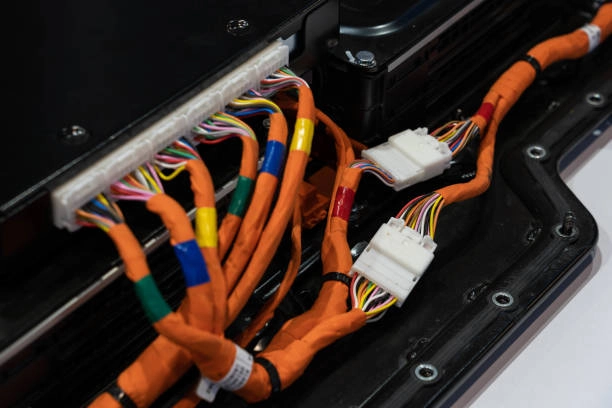
Battery harnesses move slightly under vibration. A suitable tape needs flexibility and controlled unwind, as well as abrasion resistance. Automotive wiring harness tape may be considered where bundling, surface protection, and noise reduction are part of the requirement.
Component Mounting
Sensors, foams, labels, and lightweight covers may need double-sided tape. Peel strength is only one part of the decision. Shear strength, thickness, gap filling, and clean positioning often determine whether it survives production.
Surface Protection and Process Masking
Some tapes protect surfaces during coating, welding, machining, or handling. They need controlled adhesion and clean removal without pulling coating or leaving residue.
Evaluate These Key Performance Requirements
Once the application is clear, compare the complete tape construction rather than the backing alone.
Temperature Resistance and Thermal Aging
Record the continuous operating temperature and short-term peaks. A pack may heat near cells and connections, then cool rapidly during a drive or charging cycle.
The tape should retain adhesion and insulation after thermal cycling and aging. Ask for the test method behind the rating. “High temperature” without exposure time or load is not enough.
Electrical Insulation and Dielectric Performance
High-voltage packs require stable insulation. Review dielectric breakdown voltage and insulation resistance before and after heat and humidity aging. Thickness uniformity matters when tape is wrapped by hand or over a corner.
Values depend on pack architecture and voltage. Do not use a general-purpose electrical tape specification as a substitute for application testing.
Flame Behavior and Safety Requirements
Tape placed near cells, busbars, or electrical connections may need flame-retardant performance. Confirm the required customer or industry standard and request documented results for the exact product construction.
Adhesion to Different Substrates
Aluminum, copper, coated metal, plastics, films, foams, and composites do not present the same surface. Adhesion can change after coating, cleaning, or slight oil exposure.
Test on the production substrate. A tape that bonds firmly to bare aluminum may lift from a textured coating. Low-surface-energy plastics can be more demanding still.
Chemical, Mechanical, and Environmental Durability
Check exposure to coolant, lubricants, moisture, vibration, impact, and abrasion. Define an electrolyte-related test where relevant. The tape should not become brittle, ooze adhesive, or lose edge protection.
Match the Backing and Adhesive Construction to the Job
Backing and adhesive solve different problems. Both must fit the assembly.
PET Tape
PET tape is often considered for electrical insulation, surface protection, labeling, and applications needing dimensional stability. Confirm adhesive aging rather than assuming the film determines performance.
Fiberglass Tape
Fiberglass-reinforced tape can add tensile strength where mechanical stress is a concern. Test the complete construction for temperature and electrical behavior. Fiberglass tape solutions can be reviewed against the actual load and wrapping method.
Cloth or Wire Harness Tape
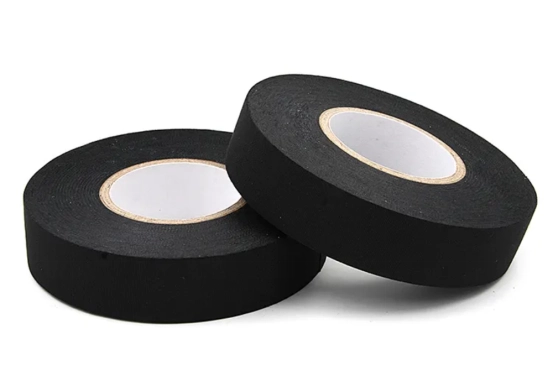
Cloth-backed tape can protect harnesses from abrasion and reduce rattling. Flexibility, noise performance, residue, and unwind force may matter more than maximum adhesion in a tight routing path.
Double-Sided Tape
Double-sided acrylic, tissue, or foam constructions can mount lightweight components and insulation. Select by peel, shear, thickness, and gap-filling needs. Double-sided adhesive tape should be tested on each critical substrate.
PVC Tape
PVC tape may suit selected bundling, insulation, or process tasks. Its temperature, dielectric, flame, and chemical performance must match the intended location. The adhesive chemistry matters as much as the backing.
Validate the Tape Before Moving to Mass Production
Samples should run through a validation plan before a purchase order is released. Bench adhesion alone is not enough.
- 180-degree peel adhesion
- Static shear resistance
- Dielectric strength and insulation resistance
- High-temperature aging
- Temperature and humidity cycling
- Vibration and abrasion testing
- Coolant or chemical exposure
- Clean removal and residue inspection
- Compatibility with automated application equipment
Use actual battery materials where possible. A short trial on a coated housing can reveal more than a generic datasheet. Check application pressure, dwell time, roll storage, and cutting method too.
QKD Tape provides sampling and technical consultation for industrial tape selection. This allows a proposed construction to be compared in a real assembly before volume production.
Consider Production and Converting Requirements
Production details often decide whether a tape remains practical. Specify roll width, length, slitting tolerance, release liner, unwind tension, and packaging. Die-cut shapes may reduce handling time.
Lot-to-lot consistency and traceability matter in a controlled battery process. Document storage temperature and shelf life. A tape that tears during automated application creates its own quality problem.
Why Choose QKD Tape for Customized Industrial Tape Solutions?
QKD Tape supplies PET, PVC, double-sided, fiberglass, cloth, and automotive wiring harness tapes for industrial applications. Its OEM and ODM service can support changes in width, roll format, and die-cutting. QKD Tape’s automotive application solutions are a useful starting point when a battery design is still being finalized.
The right product still depends on validation. Product data, application conditions, and customer requirements should be reviewed together.
Frequently Asked Questions
Q: What is the best adhesive tape for EV battery insulation?
There is no universal best tape. PET, fiberglass, or another specialty construction may fit depending on voltage, temperature, substrate, and flame requirements.
Q: Can standard PVC tape be used in an EV battery pack?
Only after its electrical, thermal, chemical, and flame performance has been validated for the intended location. General-purpose PVC tape should not be approved by name alone.
Q: What information should I send to a tape manufacturer?
Share the application, substrate, temperature range, voltage, thickness, roll size, quantity, and relevant test standards. Photos or a sample part can speed up the recommendation.
Conclusion
EV battery tape selection is a fit between material, environment, and process. Send QKD Tape the application details to request samples, a technical recommendation, or an OEM/ODM quotation. Contact QKD Tape to start the review.