

Introduction
Masking tape seems simple. You see it in every toolbox, classroom, and paint shop. People grab it for painting walls, patching small issues, or even just labeling boxes. But when you’re dealing with cars, things change. Not all masking tape is created equal. Using the wrong type may leave sticky marks, tear unevenly, or even ruin a paint finish you worked hard to get.
So the question is common: can regular masking tape do the job? Or do you really need automotive masking tape? The answer is important because once the paint dries, there is no easy fix. In this guide, we’ll explore both kinds of tape, compare their differences, and explain why a brand like QKD tape has become a safe choice in body shops and car detailing centers.
What Is Regular Masking Tape?
Regular masking tape is the simple version most people know. It’s made with crepe paper backing and a rubber adhesive layer. It sticks quickly, tears by hand, and removes without special tools. You’ll find it on shelves of hardware stores, used in homes, offices, or schools.
Key Features of Regular Masking Tape
Adhesion: Light to medium. It works for walls, wood, or paper. For example, the 302B masking tape shows peel strength at ≥4.5 N/25mm.
Thickness: Ranges between 125–155 μm. This gives enough body for easy handling but not too much for heavy jobs.
Tensile strength: Around 25 N/cm, good for holding light items or creating straight paint edges indoors.
Heat resistance: Weak. Most hold at 60–80°C for only 30 minutes before softening.
Problems: May leave residue, edges may bleed, and it can break during removal.
Regular masking tape works well for short term tasks like indoor wall painting, quick fixes, or bundling small objects. But it’s not designed for heat, solvents, or long exposure.
What Is Automotive Masking Tape?
Automotive masking tape is the stronger, more specialized version. Car painting is different. It uses high temperature drying, chemical sprays, and detailed curves around windows, doors, and panels. Normal tape can’t keep up with that. Automotive grade tape uses tougher paper and a high quality adhesive that holds firm yet removes clean.
Key Features of Automotive Masking Tape
Heat resistance: Works under 80–120°C. Some tapes are tested at 80°C for 30 minutes. That’s critical in car paint booths.
Residue free removal: Peels off without glue stains, even after heat curing.
Sharp lines: Prevents paint bleeding, producing clean separation for two tone or detailed jobs.
Flexibility: Sticks to car metals, plastics, and glass, following curves without lifting.
Durability: Stronger backing means it won’t curl or tear during application.
When paired with masking film, automotive tape covers big areas like roofs or windshields. The film protects from overspray, while the tape seals the edges. This combo saves time and avoids paint creep.
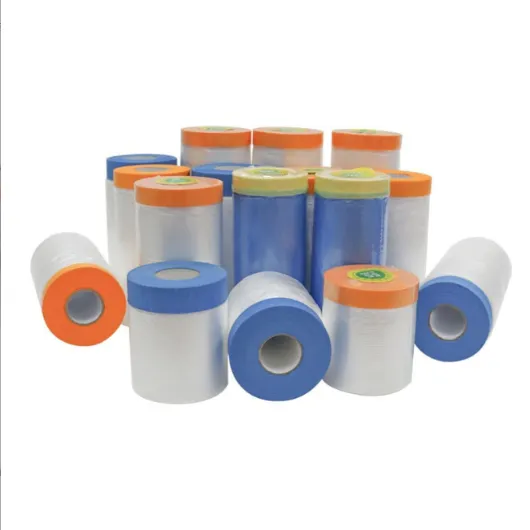
Automotive vs Regular Masking Tape: Side by Side Comparison
Adhesion and Residue
Regular tape: Medium hold, but often leaves sticky marks if exposed to heat.
Automotive tape: Balanced glue, sticks well but peels clean, no mess.
Temperature Resistance
Regular tape: Limited to 60–80°C. Fails in heated booths.
Automotive tape: Stable up to 100°C or more. Survives under drying lamps.
Precision in Paint Lines
Regular tape: May let paint bleed, causing fuzzy lines.
Automotive tape: Clean, sharp edges. Essential for pro finishes.
Application Scenarios
Regular tape: Indoor walls, furniture, quick wrapping, general masking.
Automotive tape: Spray painting, touch ups, detail work, professional car shops.
Why Choosing the Right Tape Matters (Don’t Ruin Your Paint Job!)
Imagine spending money and hours sanding and spraying. The surface looks great until you remove the tape. If it bleeds or leaves residue, you’ll have to sand and repaint. The cost multiplies. Regular masking tape may seem cheaper, but it risks bigger losses.
Automotive masking tape prevents these headaches. Brands like QKD tape focus on reliable products for real garages. Their tapes handle high heat, keep paint lines neat, and remove without residue. It’s the small detail that protects the big job.
How to Choose the Best Automotive Masking Tape
Consider Temperature Rating
Always check the label. If your work uses heat curing, the tape should hold at least 100°C.
Check Adhesion Level
It should grip without being too aggressive. Too strong may peel paint, too weak may lift during spraying.
Use Masking Film Together
Masking film saves time on wide areas. Secure it with tape around edges for full coverage.
Look for Brand Reliability
Cheap rolls vary in quality. A brand like QKD tape has consistent performance, so you don’t waste effort redoing work.
Regular vs Automotive in Action
Ordinary masking tape from the hardware store curls up in the paint booth’s heat, softening the edges and requiring an extra hour or more to fix. High quality automotive masking tape offers strong adhesion, sharp lines, and a clean, crisp removal. This saves time, avoids rework, and achieves better results. The choice of tape directly impacts the final result.
Extra Tips for Using Masking Tape and Masking Film
Always clean the surface before taping. Dust or oil weakens adhesion.
Press the tape firmly, especially at edges. Poor pressure causes paint creep.
Remove tape soon after painting. If left too long, even automotive tape may harden.
Combine masking film for large body parts. It reduces overspray and keeps interiors safe.
FAQ about Automotive vs Regular Masking Tape
Q1: Can I use regular masking tape for car painting?
A1: Not a good idea. Normal tape may melt, bleed, or leave glue on the surface.
Q2: What makes automotive masking tape different from regular tape?
A2: It is heat resistant, removes cleanly, and creates sharp paint lines.
Q3: Does automotive masking tape cost more than regular tape?
A3: Yes, slightly. But it prevents costly rework, so it saves money long term.
Q4: How long can I leave automotive masking tape on a car?
A4: It can last for days, even under heat, but remove it once the job is done.
Q5: Why should I choose QKD tape for automotive projects?
A5: QKD tape is built for professional results. It works with masking film, survives heat, and removes without damage.