
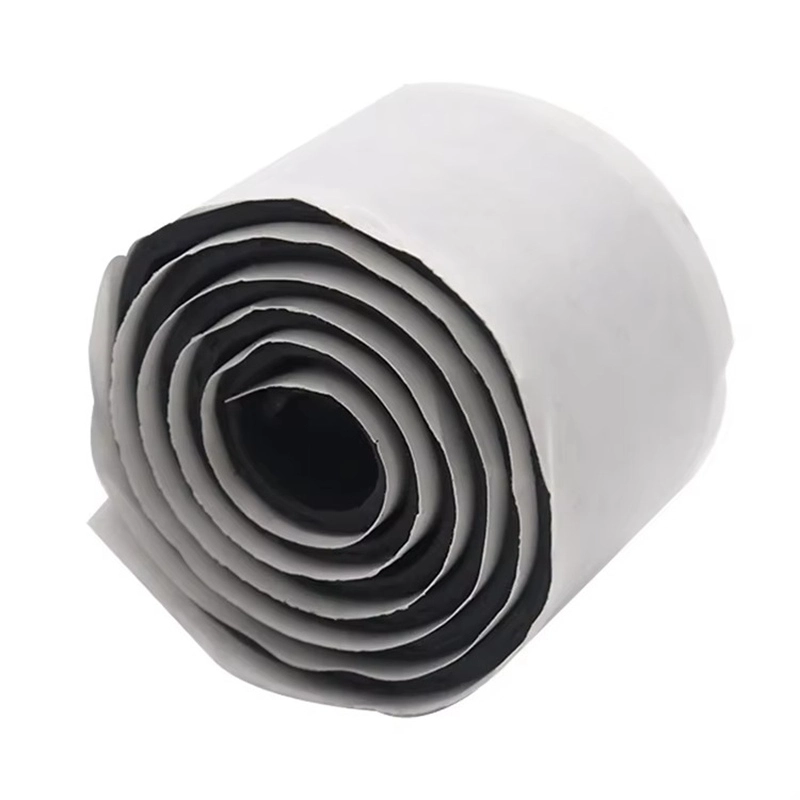
A reliable sealant can make the difference between a watertight structure and a long-term maintenance problem. Butyl tape, known for its flexibility and adhesion, has become a trusted choice in construction, automotive, and roofing applications. Its ability to maintain elasticity while resisting weathering makes it particularly valuable where other sealants might fail.
Understanding How Butyl Tape Works
Composition and Properties of Butyl Tape
Butyl tape is mainly made of butyl rubber. This is a synthetic elastomer from isobutylene and small amounts of isoprene. That mix gives the tape its key flexibility. It also offers good resistance to moisture, UV rays, and temperature changes. The thick, sticky feel lets it fit well on uneven surfaces. Thus, it creates a tight barrier against air and water.
The tape does not harden. So, it stays soft over time. This helps it handle building shifts without breaking or losing its grip. That feature works well for lasting seals in places with shakes or heat swelling.
QKD Tape, a manufacturer specializing in industrial adhesive solutions, uses top-quality butyl compounds. They ensure steady performance in various weather. The company’s research-based method has made its butyl tapes fit for tough jobs. Examples include automotive assembly and building envelope sealing.
Mechanism of Adhesion and Sealing
The way butyl tape sticks depends on its natural stickiness at the molecular level. It does not need chemical curing. When you press it on a surface, the soft, stretchy material flows into tiny surface holes. This forms a close bond. No solvents or heat are required.
Pressure matters a lot. Firm pressure boosts the contact area. It also builds stronger adhesion. The evenness of pressure during setup affects the seal’s long-term strength. Installers often use rollers or steady hand pressure. They do this to get even sticking along seams or joints.
Different Types of Butyl Tape
Single-Sided vs. Double-Sided Butyl Tape
Single-sided butyl tape has adhesive on one side only. People use it for surface sealing, like along window frames or roof overlaps. In these cases, one side stays open or gets covered by another layer. Double sided butyl tape has adhesive on both sides. It joins two materials firmly. At the same time, it keeps waterproofing between them.
| Type | Adhesive Sides | Common Uses | Advantages | Limitations |
| Single-Sided | One | Flashings, seams | Easy handling; removable cover layer | Limited bonding strength |
| Double-Sided | Two | Roofing laps, panel joints | Strong bond; hidden installation | Harder repositioning |
Double sided butyl tape shines in metal roofing systems. There, panels overlap. Its two-sided adhesive ensures ongoing sealing. Even under heat stress, it holds up.
Specialized Butyl Tapes for Specific Applications
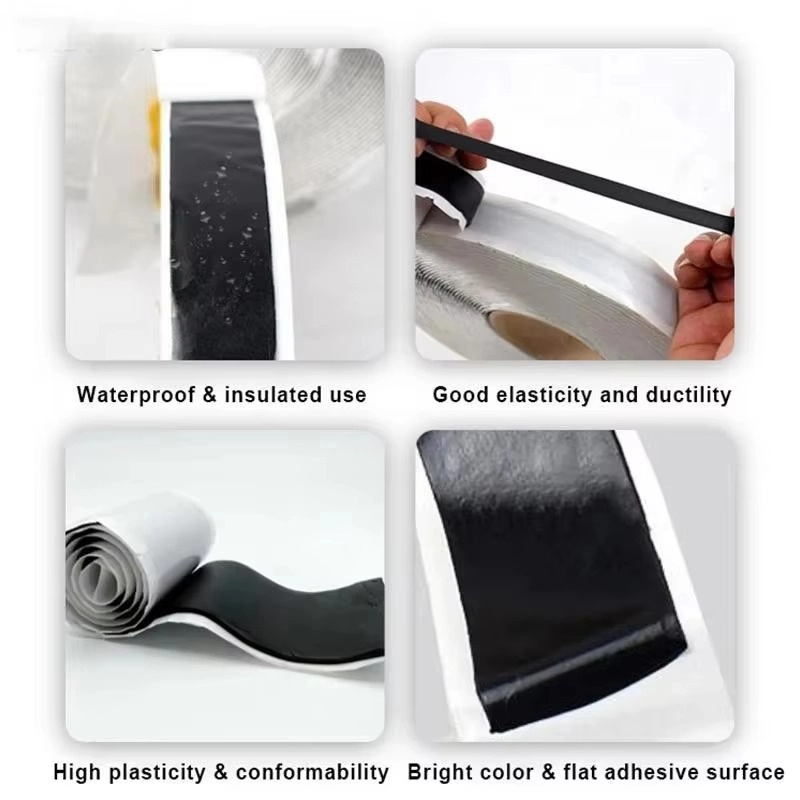
In roofing tasks, butyl tape for metal roofing is built to handle broad temperature swings. It fights off UV damage too. This tape offers a bendy but strong link between metal sheets or flashing parts. Its guard against water entry stops rust near screws and seams.
Outside of building, special types serve automotive work. They help with windshield fitting or body panel sealing. In RVs and boat fixes, its shake-absorbing traits make it great for stopping leaks around vents or fittings that move.
QKD Tape makes several levels for these areas. Some have extra-strong backings. This shows how material know-how keeps improving old sealing ways.
Correct Application Techniques for Butyl Tape
Preparing the Surface for Application
Good surface prep is key before using any butyl-based sealant. Surfaces need to be clean and dry. They should lack dust, oil, or loose bits that might block sticking. Lint-free cloths with gentle solvents like isopropanol remove dirt well.
Common tools include:
- Plastic scrapers or brushes
- Clean rags
- Rollers for pressure application
Even small leftover bits can weaken the bond later. So, careful cleaning is a must.
Step-by-Step Guide to Applying Butyl Tape
- Measure and cut the required length using scissors or a utility knife.
- Peel off part of the release liner while positioning the tape.
- Align carefully along the joint—once compressed firmly it’s difficult to reposition.
- Apply steady pressure using fingers or a roller from center outward to eliminate air pockets.
- Seal edges by overlapping slightly if multiple strips are needed.
A few practical tips: avoid stretching the tape during placement since tension may cause later shrinkage; also store rolls at room temperature before use for optimal tackiness.
Common Mistakes When Using Butyl Tape and How to Avoid Them
Missteps in Surface Preparation
One common slip is putting butyl tape on wet or dirty surfaces. This cuts adhesion power a lot. It leads to early breakdowns. Skipping weather checks can hurt too. Very cold surfaces might stiffen the material before it touches fully.
Another problem happens when folks use strong chemicals for cleaning. Those can leave sticky remains instead of drying clean. Always pick cleaners without oil.
Errors During the Application Process
Bad lining up can lead to uneven pressing along seams. That causes leaks down the road. Uneven pressure leaves spaces for water to sneak in. Steady rolling fixes this well. Some workers stretch double sided butyl tape as they apply it. It may seem tidy at first. But it often pulls back later. This makes gaps at the sides.
Even pros sometimes forget enough overlap between pieces. At least 5–10 mm overlap boosts water-tightness a bunch.
Conclusion
A smartly picked and rightly used butyl tape can beat many liquid sealants. It lasts thanks to its built-in bendiness and weather toughness. Whether in window systems or as butyl tape for metal roofing, knowing how it acts brings solid outcomes each time. Companies like QKD Tape keep tweaking recipes. They mix stickiness with lasting power. This steady progress keeps this simple material useful in today’s fields. Contact us today to get a quote and discover how our advanced adhesive solutions can help your next project succeed!
FAQs
Q: What makes butyl tape different from silicone sealants?
Butyl tape remains permanently flexible without curing whereas silicone hardens after exposure to air moisture.
Q: Can I paint over butyl tape?
Generally no; most paints don’t adhere well due to its oily surface composition.
Q: Is double sided butyl tape waterproof?
Yes, both sides create watertight seals when properly compressed between materials.
Q: How long does butyl tape last outdoors?
With correct installation it can perform effectively for over 10 years depending on exposure conditions.
Q: Can I reuse leftover pieces of butyl tape?
Only if they’ve been stored cleanly in sealed packaging; once contaminated they lose adhesion quality quickly.